For companies to open up their brand value to society and foster empathy and deeper relationships, it is no longer enough to simply communicate messages. What is required are initiatives that actively engage people and create meaningful experiences. Why is co-creation essential, and how can new forms of value be envisioned?
Through the “DRIVE MYSELF PROJECT,” launched by Nissan Motor Co., Ltd., this article explores the possibilities that emerge from co-creation with the next generation of creators.
This article has been re-edited based on the original case study, “DRIVE MYSELF PROJECT,” published by Loftwork Inc.
A Co-creation Project Envisioning the Future with the Next Generation of Creators
In 2023, Nissan Motor Co., Ltd. marked its 90th anniversary and launched “DRIVE MYSELF PROJECT,” a co-creation initiative with the next generation of creators. Looking toward the future from the perspectives of society, the next generation, and mobility, the project focuses on creating new forms of value that do not yet exist. Through three initiatives—an ideathon for designing mobility experiences, prototyping new ways of living, and the “Everyday Invention Challenge”—Nissan is taking on its stated purpose: “to envision the excitement of an unknown future through co-creation with the next generation.”
This article introduces one of these three initiatives: the award project “Everyday Invention Challenge,” which utilized the AWRD platform.
Written by: Toshihiro Horiai
Edited by: AWRD Editorial Team
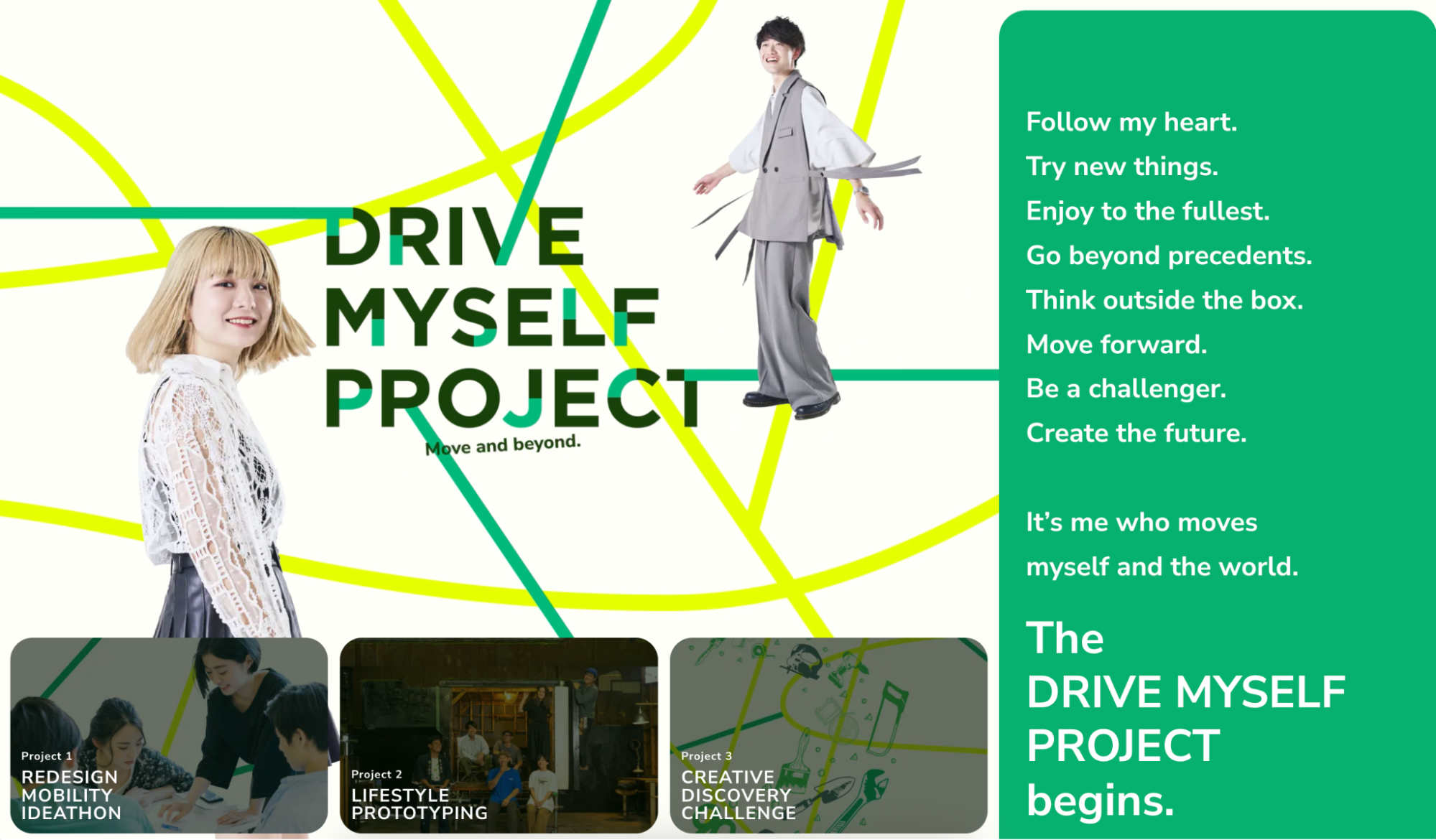
The theme was set as “Bricolage,” aimed at expanding empathy with Nissan Motor’s brand promise.
Behind the launch of the “DRIVE MYSELF PROJECT” lies Nissan Motor’s desire to support the spirit of challenge embodied by the next generation of creators and to envision the future together with them. At the same time, the project aims to express and communicate Nissan’s brand promise, “Innovation for Excitement,” while empowering the individuality of emerging creators. By working alongside them on creative initiatives, Nissan seeks to spark a movement of co-creation that looks toward the future.
For the implementation of the “Everyday Invention Challenge,” the submission theme was set as “Bricolage,” a term meaning “to piece things together and mend them oneself.” Bricolage is a concept introduced by the cultural anthropologist Claude Lévi-Strauss in his book The Savage Mind. It is often translated as “making by assembling,” “repairing things oneself,” or “hands-on, resourceful craftsmanship.”
Everyday Invention Challenge: Concept Movie
In March 2023, Nissan Motor unveiled the prototype sedan “Contemporary Lifestyle Vehicle,” which demonstrated the potential of innovation driven by a bricolage mindset—discovering new possibilities within familiar, everyday objects. By positioning bricolage as the central theme of this award, the initiative sought to express Nissan’s commitment to generating excitement through fresh ideas aimed at its vision of the future. At the same time, it aimed to give participants firsthand experience in practicing bricolage—creating new value from the things around them—thereby fostering deeper empathy with the brand promise.
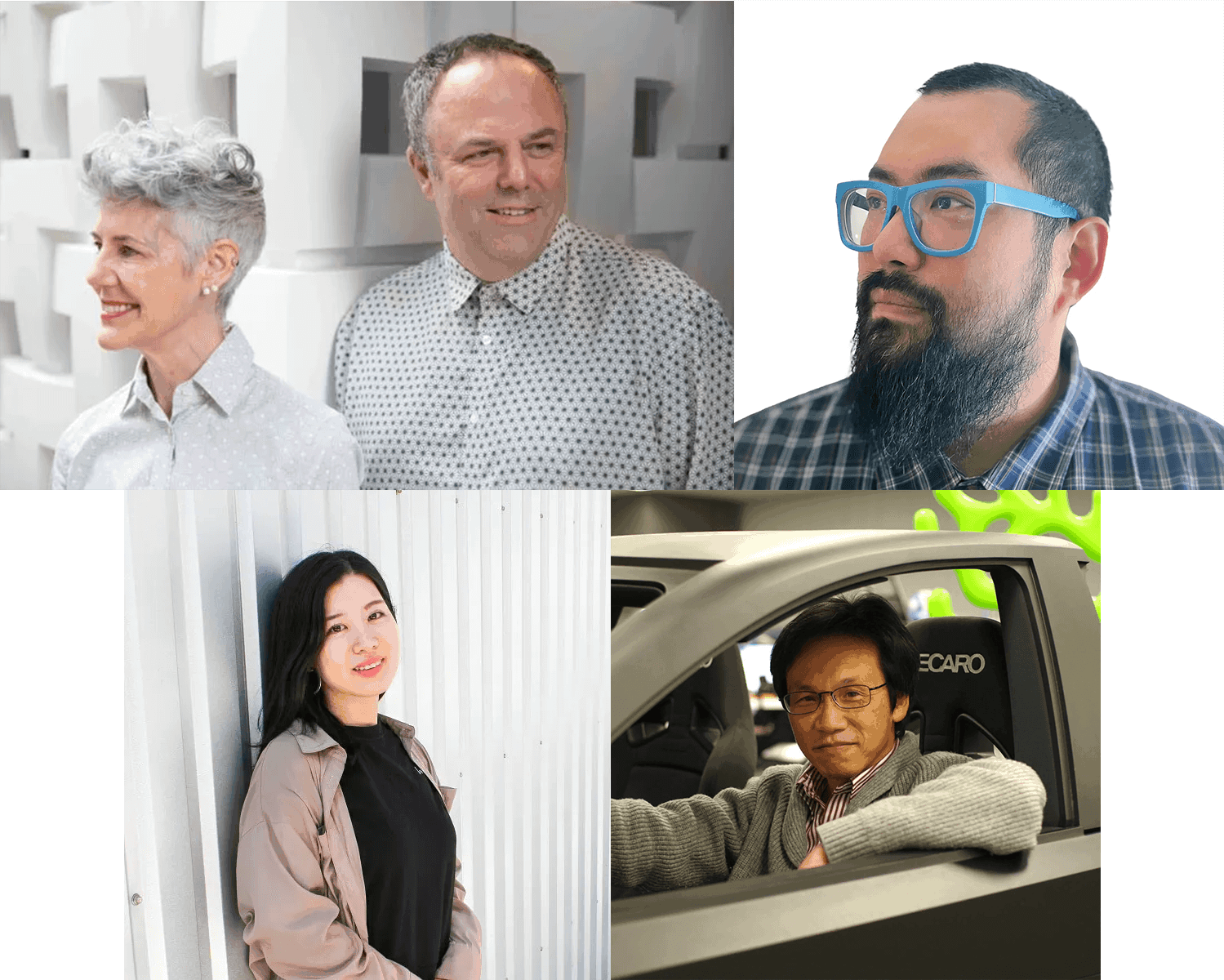
For this challenge, Tetsuro Ueda, who was involved in the creation of the “Contemporary Lifestyle Vehicle,” was invited to serve as curator, contributing to the development of evaluation criteria for works expressing the concept of bricolage. In addition, creators from Japan and abroad with expertise in art, engineering, design, and architecture participated as curators. Together, they selected the award-winning works and engaged in discussions from diverse perspectives on how the concept of bricolage was expressed across the submissions.
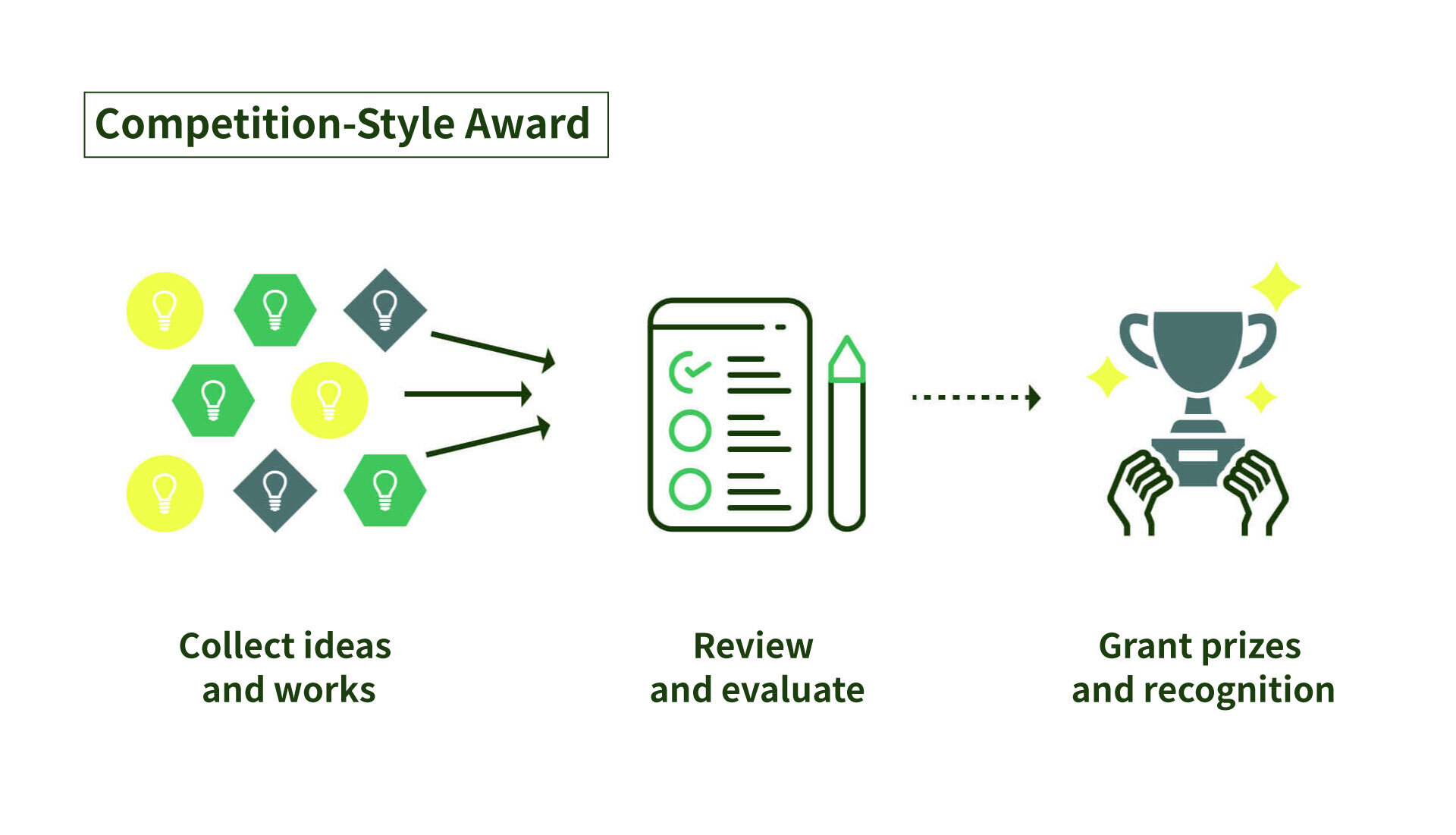
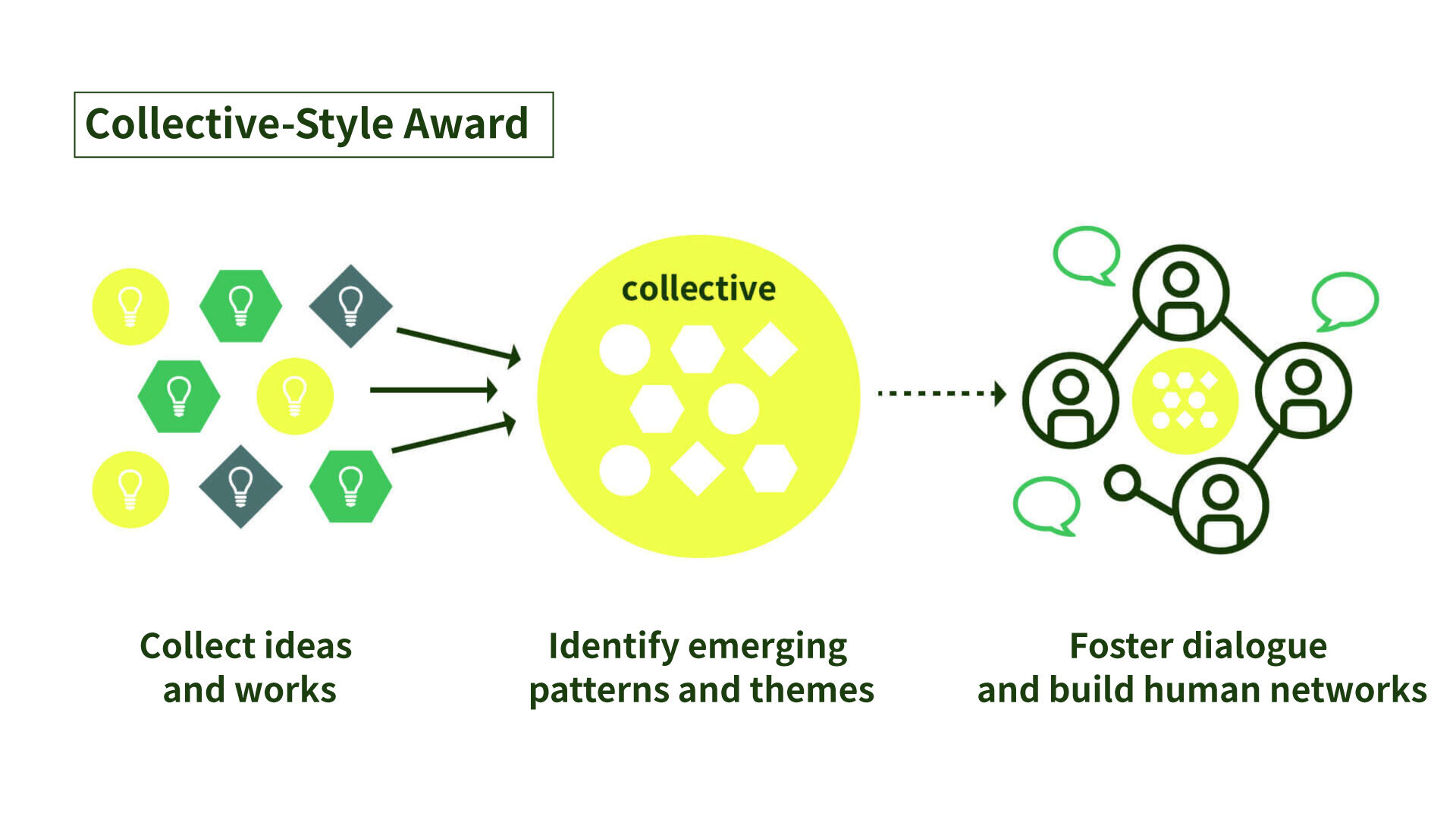
It should be noted that this award was not conducted as a conventional competition aimed at recognizing only highly polished works through a selection process. Instead, it adopted a “collective” format, inviting works around a single theme and deepening understanding and engagement with that theme through a diverse body of works created by many different creators.
The Contours of “Bricolage” Revealed Through Works by Next-Generation Creators Around the World
From the start of the open call on July 19, 2023, to the submission deadline on October 2, a total of 200 works were submitted from 22 countries. Through the curator-led selection process, five works were chosen for the Grand Prize and four works for the Next Generation Award from among the 200 submissions. In addition, four works were selected for the People’s Choice Award, which was determined through public voting open to all submitted works.
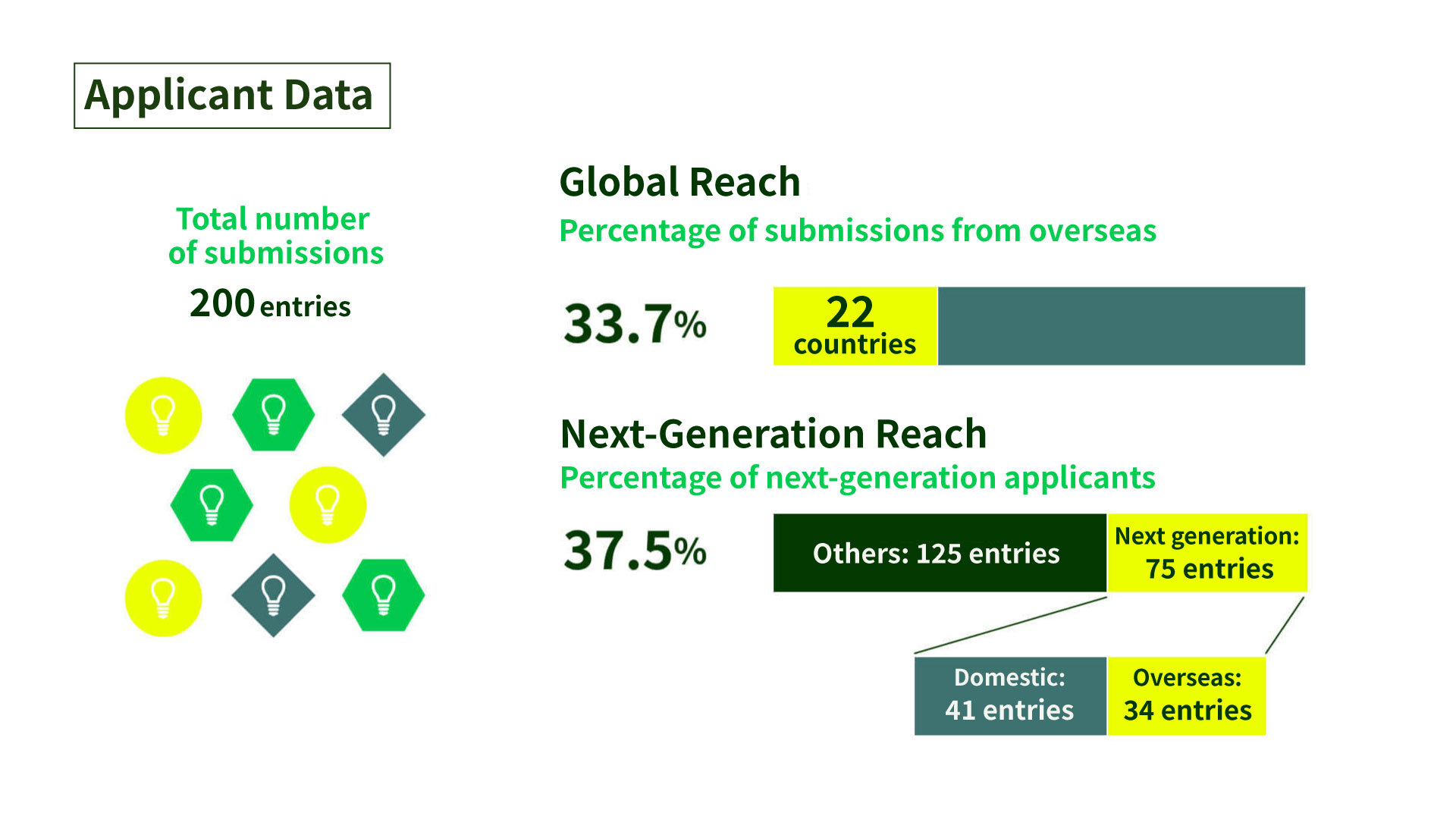
A key characteristic of a collective-format award lies in its ability to reveal the contours of a theme through the accumulation of submitted works, thereby fostering deeper understanding. Based on the award-winning projects from this program, we have summarized the defining characteristics of bricolage that emerged through the collection of works below.
Outline of Bricolage 1: Creating New Uses
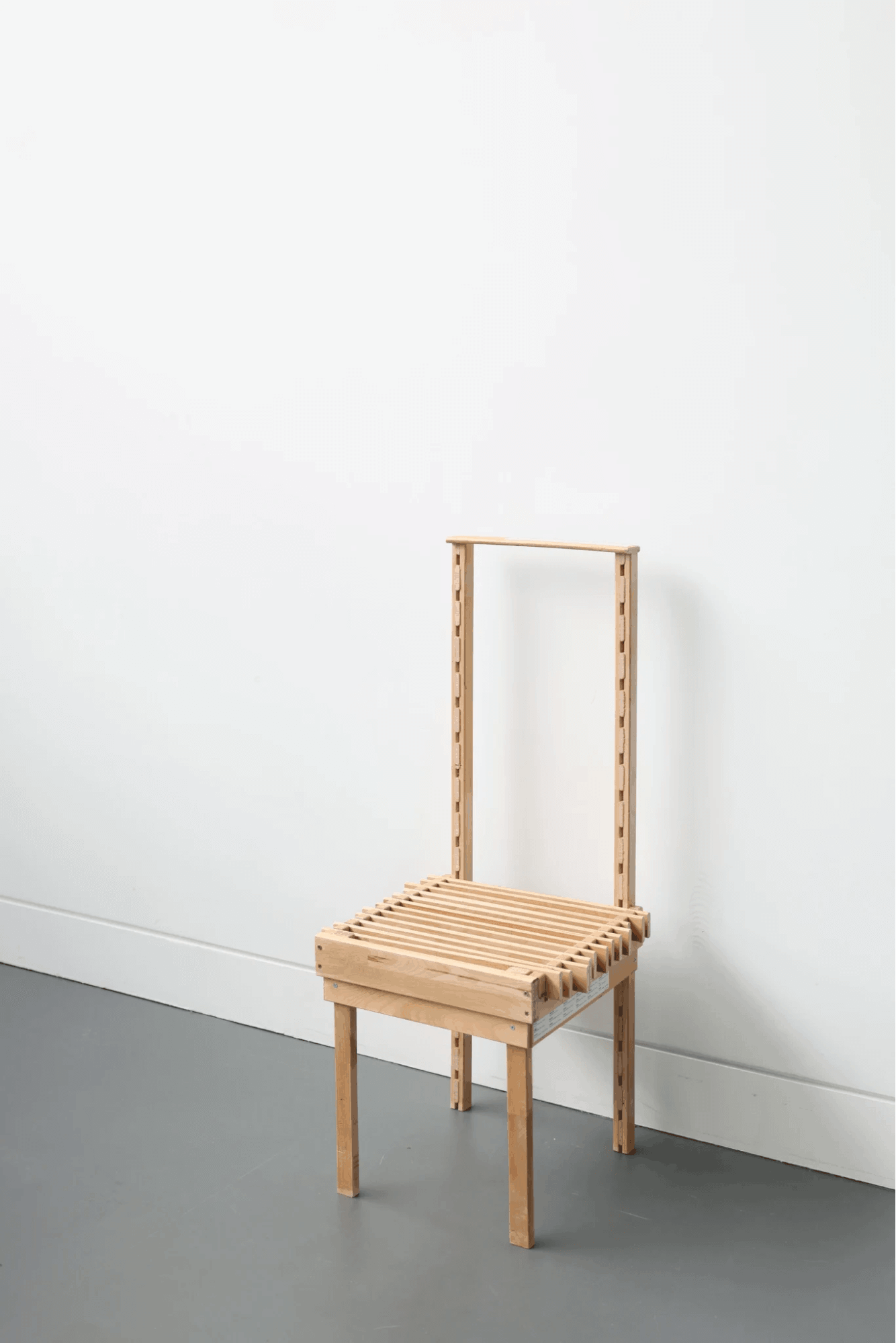
Reinterpreting and adapting objects originally created for different purposes to discover new uses and value is one form of practicing bricolage. “The Rebirth of Furniture” by Chinese product designer Luling Jing proposes the reuse of children’s furniture—such as crib components—by recombining them into entirely new pieces of furniture. As children grow, such furniture is often discarded; this work extends its lifespan and points to the potential of sustainable practices rooted in the creative reuse of everyday objects.
The two curators from Klein Dytham Architecture commented on the work, saying:“It embodies the idea of bricolage in a very direct and powerful way. With a touch of humor, it offers an enjoyable approach to extending the short lifespan of cribs. We hope it encourages people to think about the many interesting possibilities that remixed furniture can offer.”
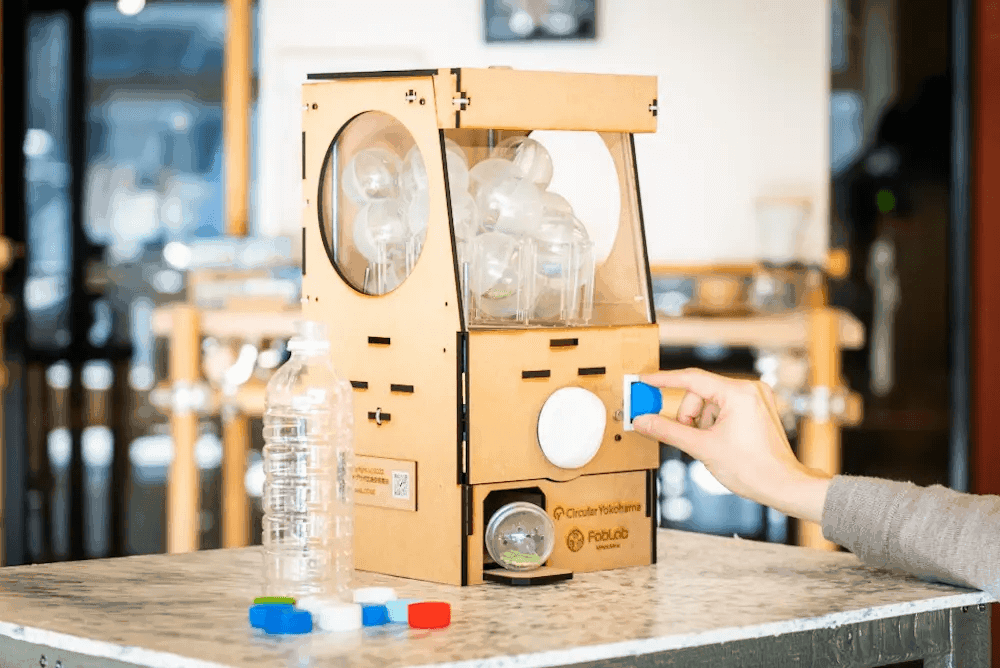
“Bottle Cap Circulation Gacha” by FabLab Hiroshima–Akitakata proposes a hands-on practice of the circular economy by reimagining the familiar gacha capsule toy loved by children. In this project, plastic bottle caps are used in place of coins, and prizes made from upcycled collected caps are placed inside the gacha machine. Through this approach, the work presents a new use for gacha machines—as tools that spark learning and awareness among children.
Curator Kyle Li commented:“At a time when gacha is gaining attention in global pop culture, I find this project especially meaningful in the way it communicates recycling to younger generations through a playful approach. The idea of designing the contents of the capsules is also compelling, elevating the learning experience to the next level. The remix of old and new, playfulness and learning, is— in my view—the ultimate form of bricolage.”
Outline of Bricolage 2: Combining Multiple Uses
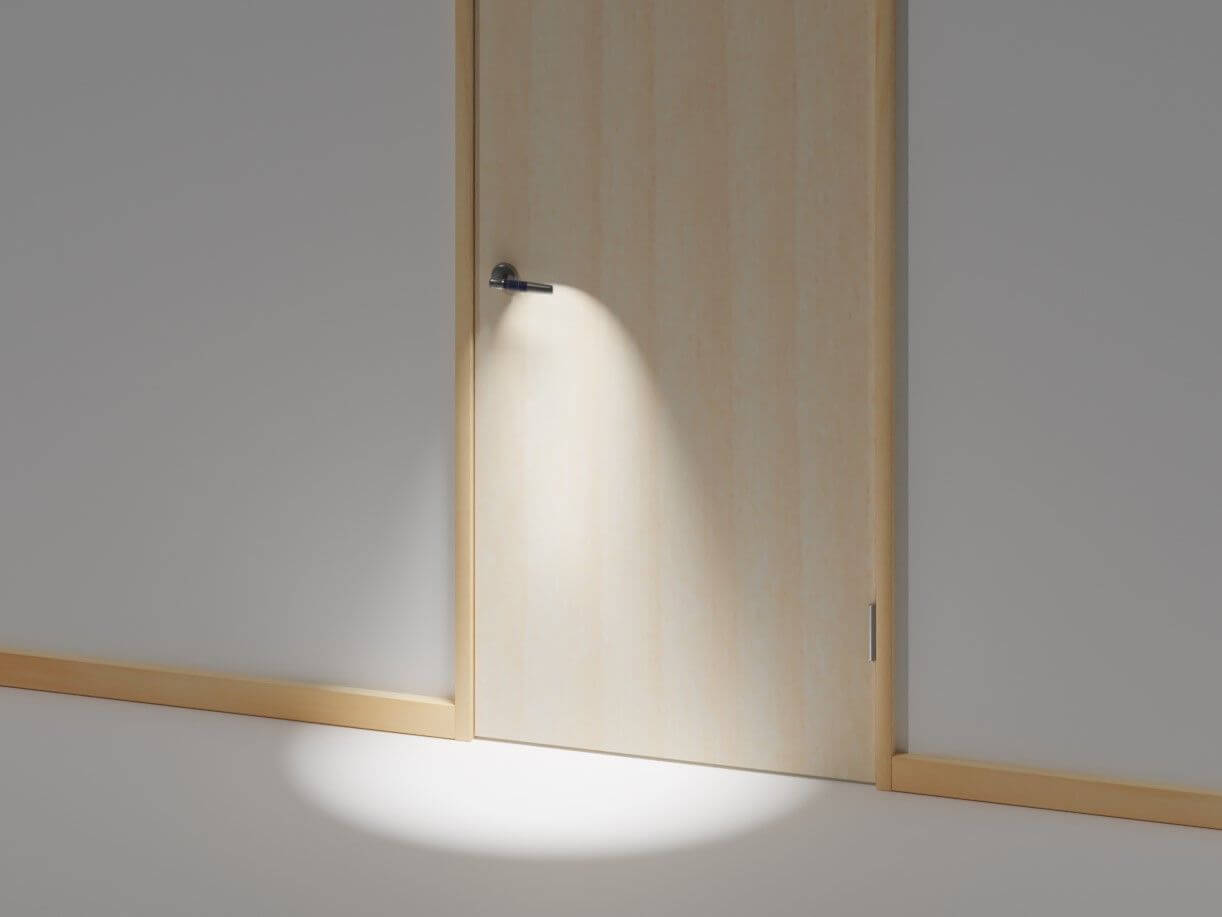
Among the works expressing bricolage—often translated as “making by assembling things at hand”—particular recognition was given to ideas that create something new by combining multiple everyday objects. “Light-Integrated Doorknob” by OLIBRAINnh is an exemplary case of this approach. By merging the functions of a doorknob and a light, the piece turns on a built-in light via a vibration sensor when the doorknob is turned, providing subtle illumination at night to light the way underfoot. In addition, the light is activated by seismic vibrations, allowing it to function as an emergency guidance light during earthquakes. The light unit can also be detached from the doorknob and used as a solar-powered flashlight, further expanding its range of uses.
Curator Kimika Tonuma commented:
“Even if it’s difficult to prepare a full set of emergency supplies from scratch, the idea that a simple object—one that could be installed anywhere there is a doorknob—might help someone through a small but thoughtful intervention really inspired me. This project made me realize that ‘bricolage’ doesn’t necessarily require assembling many different materials; it can be achieved through a modest combination, such as ‘light × doorknob.’” She highly praised the work for its ability to combine everyday functionality with emergency use.
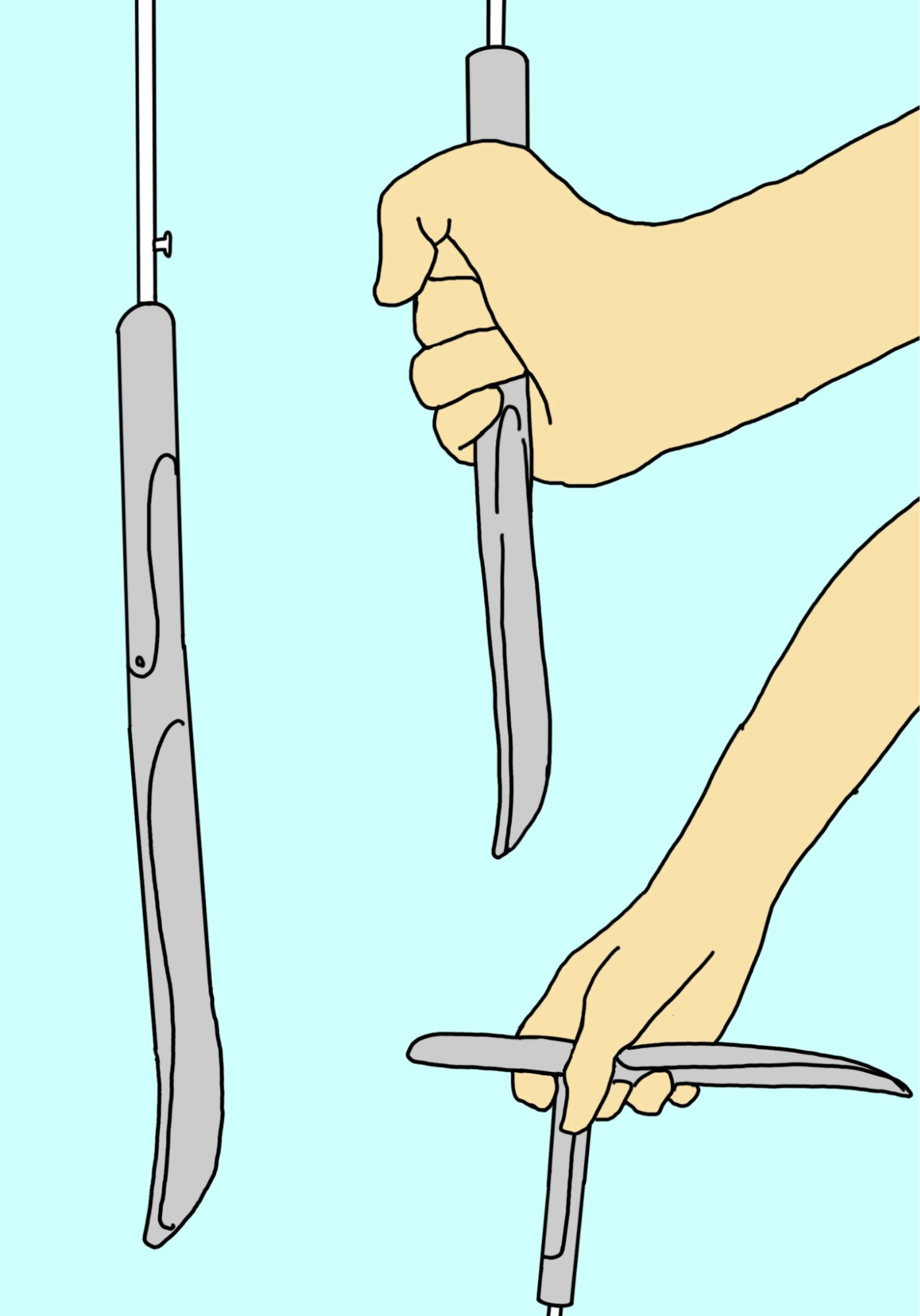
“A Convenient Umbrella That No One Else Will Take—Just for Me” by rtzmzm combines three functions: an umbrella, a shoehorn, and a cane. Beyond proposing a smart item that fulfills three roles in a single object, the design also incorporates a subtle behavioral twist. By embedding the context of a “shoehorn that someone else has used,” the work intentionally makes people hesitate to steal the umbrella.
Curator Mr. Ueda highly praised the humor of this work, commenting: “I truly believe that sustainability has to be fun. The idea of closely observing and combining small, everyday objects like an umbrella and a shoehorn is an excellent example of bricolage. When you imagine yourself hesitating for a moment—thinking about what it would feel like to grab someone else’s shoehorn—you can’t help but smile.”
Outline of Bricolage 3: “Redefining Familiar Objects”
Several submitted works that redefined the everyday objects we casually use by introducing new perspectives also received high praise from the curators. “Non-Disposable Natural Material Toothbrush (Made in Japan)” is a project that rethinks the conventional plastic toothbrush, which typically has a short lifespan. By using leftover wood generated during chair production by furniture craftsmen for the handle, and natural bristles from horses and pigs raised for food for the brush, the project proposes an alternative vision of a toothbrush that is not meant to be disposable.
Curator Tetsuro Ueda commented,“Bricolage allows individuals to challenge a sustainable future through approaches that differ from high-tech solutions or engineering. That is the true significance of bricolage. I found it to be an outstanding idea that there is a service enabling continued use of something as small and seemingly disposable as a toothbrush.” He highly praised the project, which also offers maintenance services to support long-term use.

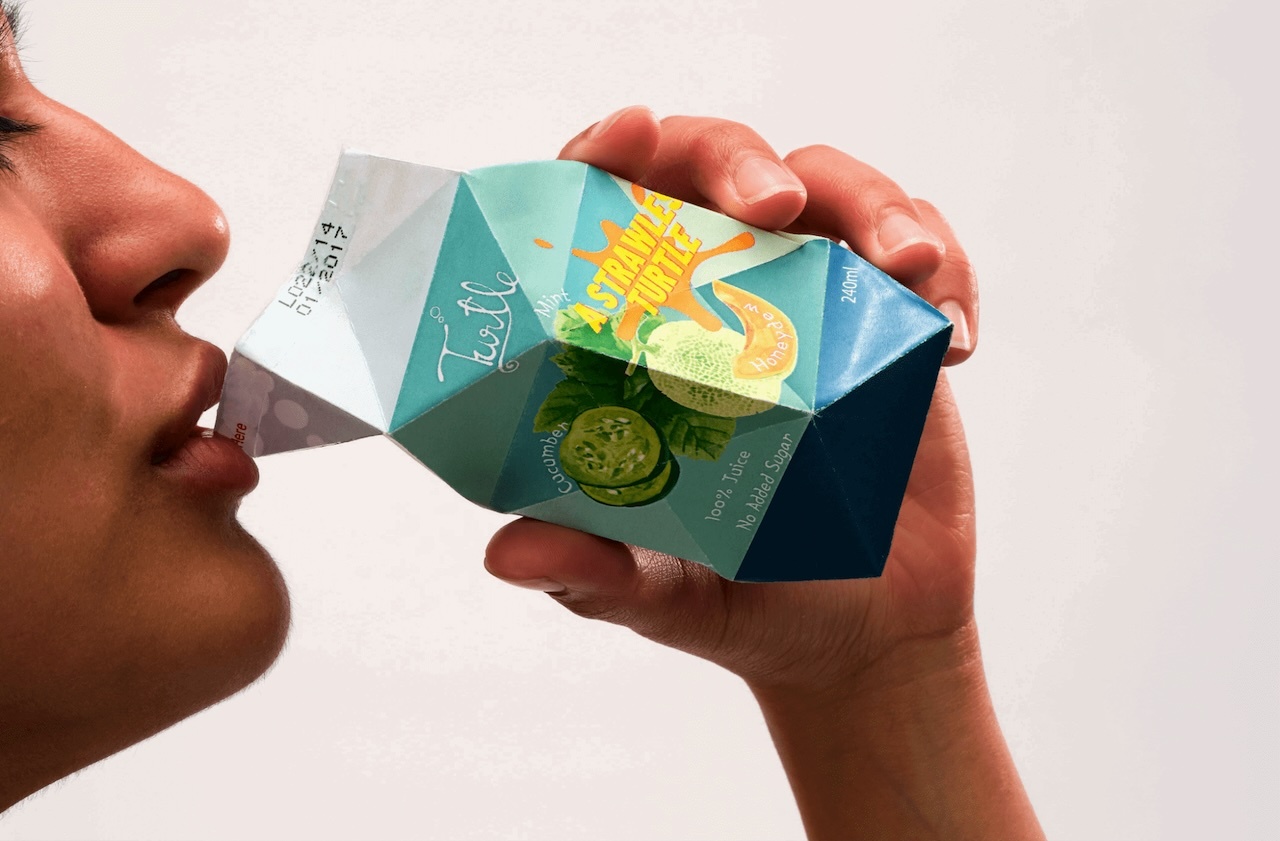
“The Strawless Turtle Pak” by Malika Chopra proposes a beverage package that does not require a straw. Inspired by the principles of origami, its form makes the drink easy to consume and prevents spilling without the need for a straw.
Curator Kimika Tonuma commented:“I’ve looked at many alternative materials to plastic straws, such as grass or bamboo straws, but The Strawless Turtle Pak fundamentally questions that approach by asking whether straws are needed at all if we rethink the shape of paper carton packaging itself.” She highly praised the project for redefining the form and role of a familiar beverage package.
In addition, original trophies created specifically for this award were presented to the applicants whose works were selected.
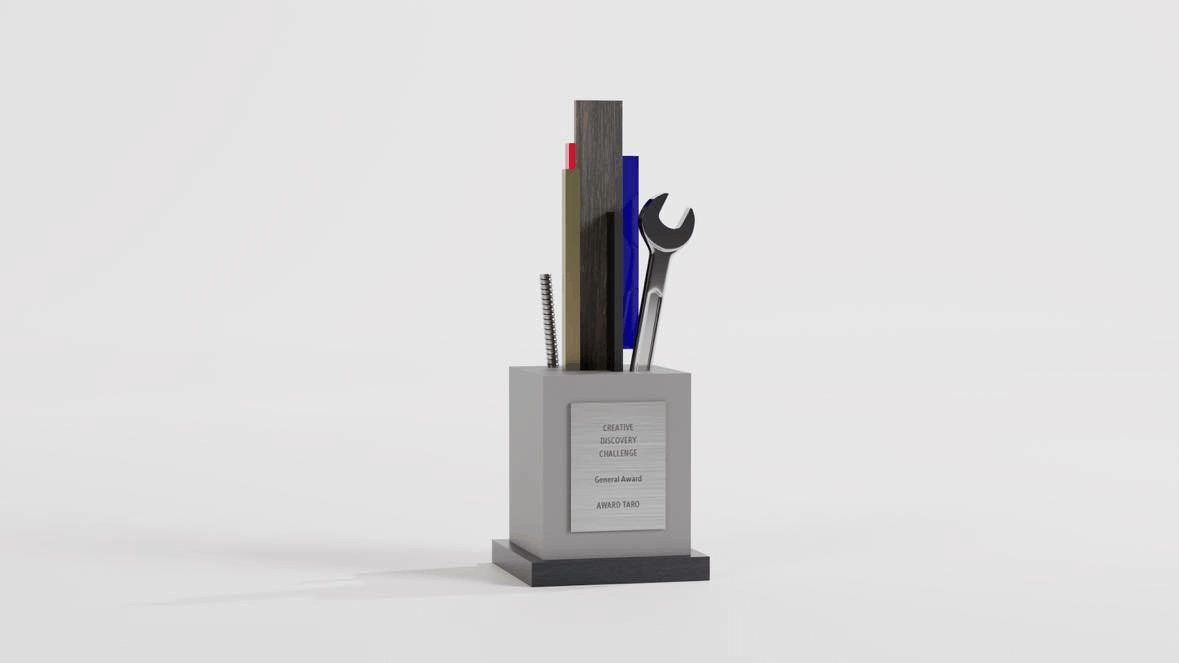
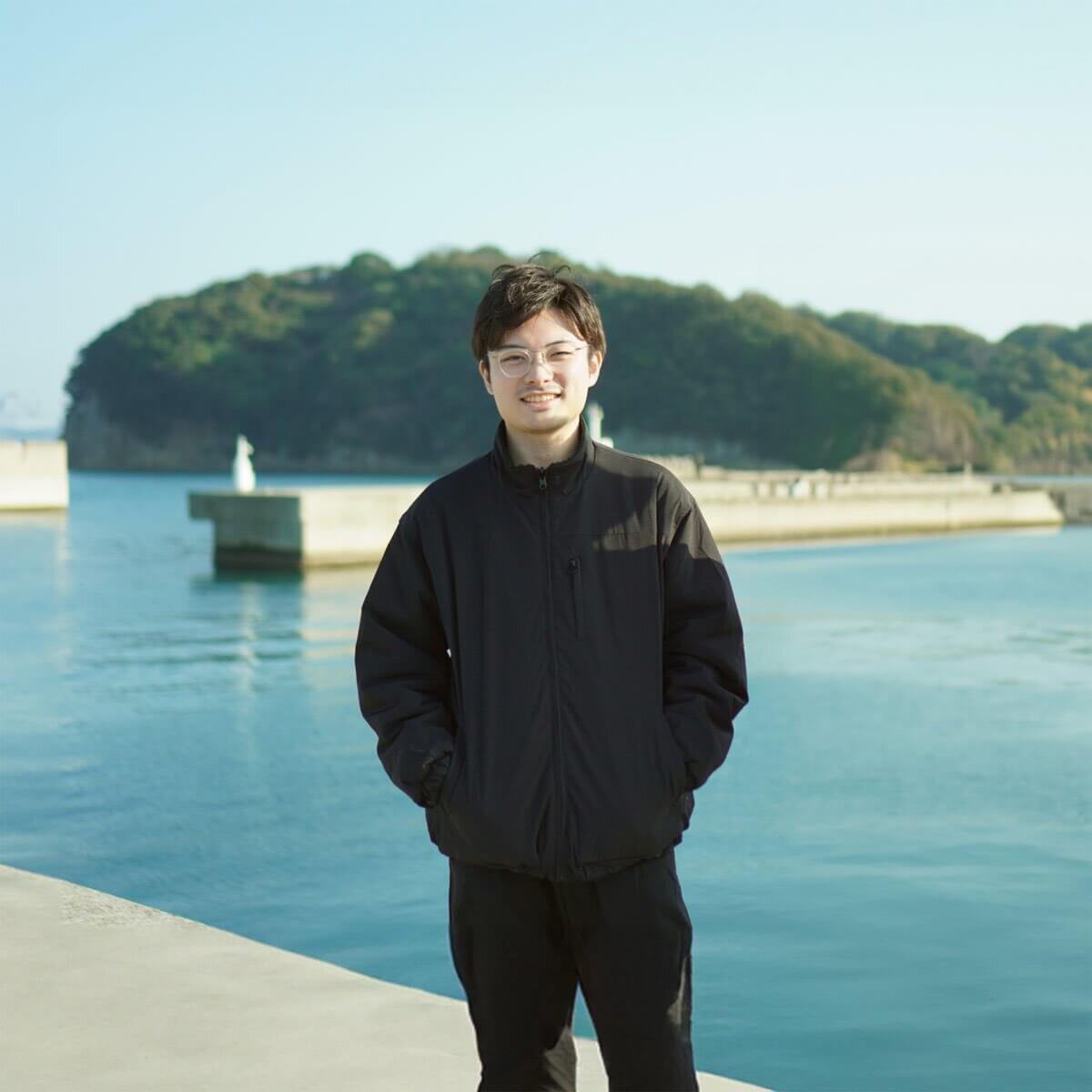
The trophy design, which expresses bricolage just like the submitted works, was created by industrial designer Shoma Furui. Regarding the production process, Furui commented as follows:
“When I first heard the theme of bricolage, I felt that the word succinctly expressed something I had already sensed would become increasingly important in future manufacturing. I also felt that many people were probably sensing the same thing.
In designing the trophy, I began by first understanding the meaning of the word bricolage. I deepened my knowledge by referring to books and websites, while presenting numerous images and aligning perspectives through discussions with the AWRD team.
Ultimately, I decided to create a trophy composed of items familiar to hands-on making and car tinkering: scrap wood, scrap acrylic, and tools, brought together as a single form. I regarded these scraps and tools as symbols of free-making, and by assembling them improvisationally myself, I expressed bricolage in both materials and manufacturing methods.”
The Potential of AWRD as a Platform for Fostering Understanding and Dissemination of a Theme
Yoshii from Nissan Motor, the person in charge of promoting this award, reflected on the project, stating, “I was struck by the diversity of ways people interpret bricolage and how it relates to innovation, and it filled me with surprise and excitement.” Through this award, not only did participants deepen their understanding of the theme via a collective approach, but tangible outcomes were also achieved in concretizing Nissan’s brand promise. In curators’ overall comments, many noted an increased understanding of bricolage and expressed expectations for innovation.
"Being able to share the concept of bricolage with so many people across countries and generations was, once again, a testament to the potential of this idea-a truly significant achievement. What we want to deliver to our customers, ‘Innovation for Excitement,’ is not something that can only be realized through new or cutting-edge technologies. I believe this initiative has conveyed that anyone can create innovation through combinations, ingenuity, and ideas applied to familiar things." - Yoshii, Nissan
"Bricolage is the idea of combining objects and their functions to improve a situation, making do with what is at hand. Through this award, I was pleasantly surprised by just how many excellent ideas exist in the world that deserve to be adopted." - Klein Dytham Architecture
"We saw projects that uniquely connected disparate points, discovered remarkable insights from ordinary daily life, and even challenged the status quo with a playful touch to overcome difficult times. I was deeply impressed by the richness of imagination, creativity, and the sharp perspectives that highlighted the subtle phenomena in everyday life." - Kyle Li
"We were introduced to issues that are not very familiar, such as lack of drinking habits, excessive disposal of cosmetics, high barriers to donations, and dysgraphia. Going forward, I hope to communicate information that is even more empathetic to people’s needs." - Tomuka Tonuma
"I believe that the accumulation of small ideas, small objects, and small activities can create a powerful ripple effect, allowing everyone to become an active participant in sustainability. Using things longer through repair, repurposing them for different goals, and carefully observing what already exists-this is bricolage: sustainable action that anyone can take without leaving it to others. I felt the immense potential of bricolage and also recognized the possibilities for open innovation through sharing everyone’s ideas." - Tetsuro Ueda
In this award, “bricolage” was set as the central theme to embody Nissan Motor’s brand promise, “Innovation for Excitement,” and works were solicited through a collective-style award format. As a result, the theme attracted strong interest and a wide range of perspectives and ideas not only from Japan but also from the next generation of creators around the world. What these ideas suggest is that a bricolage approach to thinking can serve as a catalyst for innovation across countries and cultures. Moreover, the award itself provided an opportunity to reaffirm that Nissan’s brand promise resonates with-and can inspire co-creation among-the next generation of global creators.
Staff Credit
Client:
Nissan Motor Co., Ltd.
[Loftwork]
Producers: Hajime Matsui, Tetsuya Kashiwagi
Project Management: Misaki Kawai, Akari Miyamoto
Creative Direction: Misaki Kawai, Akari Miyamoto, Wakana Isaka, Makoto Tanabe
Translation: Allison Lee, Nikki Hall
[GEKI]
Producer: Chikara Sakuzabe
Creative Direction: Kengo Ujiie
Copywriter: Kengo Ujiie
Art Director: Anna Chizaki
Designers: Anna Chizaki, Itoho Takahashi
Video Director: Kazuki Sudo
Photographer: Ryo Ogawa
Photography Assistants: Ryoga Yamada, Kei Yamazaki
Editing: RyogaYamada, Kaisei Kuwahara
Related Service
As showcased in the “DRIVE MYSELF PROJECT,” AWRD has created numerous opportunities for co-creation, where companies and organizations collaborate with creators to envision the future together. If you are interested, we encourage you to explore other project examples and learn more about how to leverage AWRD.
View Other Co-Creation Project Examples
Browse the full list of AWRD case studies
Co-Creation and Innovation Made Possible with AWRD
Learn more about AWRD services and how to use them
AWRD is an open call platform for co-creation where companies, local governments, and creators collaborate on diverse themes.
By inviting projects and talent from around the world, it enables initiatives in business development, community co-creation, and startup support through open innovation.
From project design to operational support, AWRD accompanies initiatives every step of the way, fostering co-creation that opens up value to society.