To enhance the appeal of regions and cities, it is essential not only to provide facilities and services, but also to co-create value through people’s participation and experiences. By incorporating new perspectives and ideas through open calls and design projects, everyday spaces can be transformed, creating opportunities where local culture and industries intersect with the creativity of designers and creators.
In this article, we introduce HIROSHIMA DESIGN CHALLENGE 2021, an initiative set in Hiroshima in which participants’ ideas were implemented in the urban environment.
This article has been re-edited based on the case study “HIROSHIMA DESIGN CHALLENGE 2021” originally published by Loftwork Inc.
Project Highlights
HIROSHIMA DESIGN CHALLENGE 2021 called for design ideas from across Japan under the theme “Designing the City as a Collection of Pieces.” With Naoto Fukasawa, Makoto Tanijiri, Ai Yoshida, and Takahiro Shibata serving as jurors, the award attracted 154 works from 107 teams both in Japan and overseas, despite a submission period of just under two months.
Following a rigorous review process, four ideas were selected by the jury, and an additional idea was chosen by the organizing committee to move forward into development and implementation.
Discover a range of original design projects brought to life within the urban landscape.
Outline
Hiroshima Prefecture has positioned itself as an “Innovation-Oriented Prefecture,” aiming to promote innovation by leveraging the strengths of its core industries while adapting to changing market conditions. To generate a virtuous cycle of further innovation, the prefecture implemented HIROSHIMA DESIGN CHALLENGE in collaboration with Loftwork.
Through this project, AWRD was used to solicit design ideas from creators to address challenges faced by local businesses. Teams were then formed between selected businesses and creators, leading to the development and real-world implementation of new products.
As a result of these efforts, local businesses began to actively leverage design, while creators were given opportunities to work within the urban context of Hiroshima. In addition, continuous PR activities - such as events and media coverage throughout the project period - helped communicate the initiative both within and beyond the prefecture, shaping the brand image of “Hiroshima x Design.” Through the power of design, the project contributed to enhancing the city’s overall appeal.
Writing & Editing: Yutaro Gokan (Loftwork.com Editorial Team)
Story
Hiroshima Prefecture has continued to develop as one of western Japan’s leading industrial hubs since before World War II. In particular, its manufacturing sector has grown across a wide range of fields—from heavy industries such as shipbuilding, steel, and automobiles to advanced industries—resulting in many companies with proprietary technologies and nationally significant market shares.
In recent years, however, rapid technological innovation, the globalization of competition, and the impact of the COVID-19 pandemic have brought about dramatic changes in the market. For the region’s industries and economy to respond flexibly to these shifts, it has become essential not only to leverage the strengths of its core industries, but also to create an environment in which new businesses can more readily emerge.
In response, Hiroshima Governor Hidehiko Yuzaki has championed the vision of becoming an “Innovation-Oriented Prefecture.” This initiative aims to build an innovation ecosystem within Hiroshima that fosters a sustainable economy and society, where new values and services continuously arise.
As one of the measures toward achieving this vision, Hiroshima Prefecture launched a project to attract “creative design talent,” including creators who can serve as a driving force for innovation, and to connect them with local industries. In collaboration with Loftwork, the prefecture organized a competition to link local businesses with design talent. Furthermore, development teams were formed between selected businesses and creators, with support provided for the development and real-world implementation of new products based on the proposed design concepts.
Approach
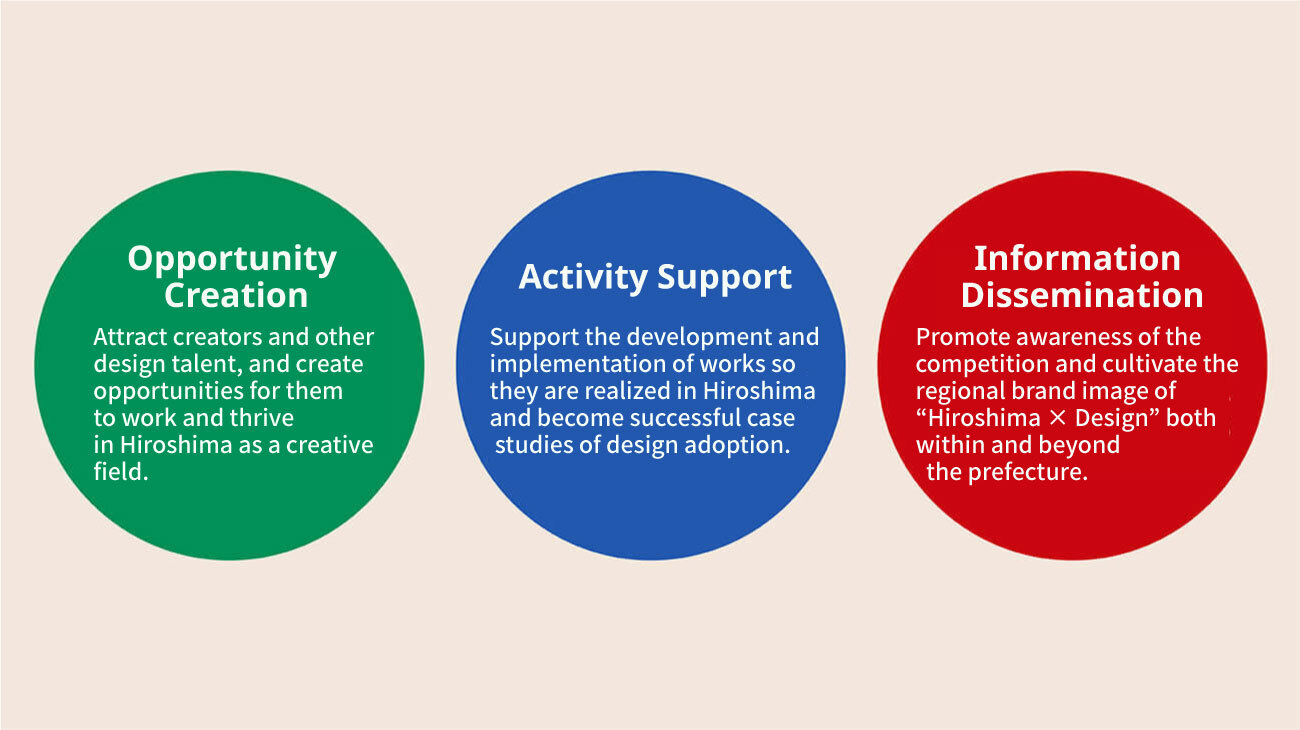
To achieve the project’s goals, Loftwork provided support in the following three areas:
- Creating opportunities to attract design talent and enable them to work and thrive in Hiroshima
- Supporting implementation efforts to generate successful, design-driven case studies, including hands-on assistance for bringing ideas into practice
- Communicating “Hiroshima Design” to broader audiences inside and outside the prefecture, raising awareness and interest in the region’s design identity
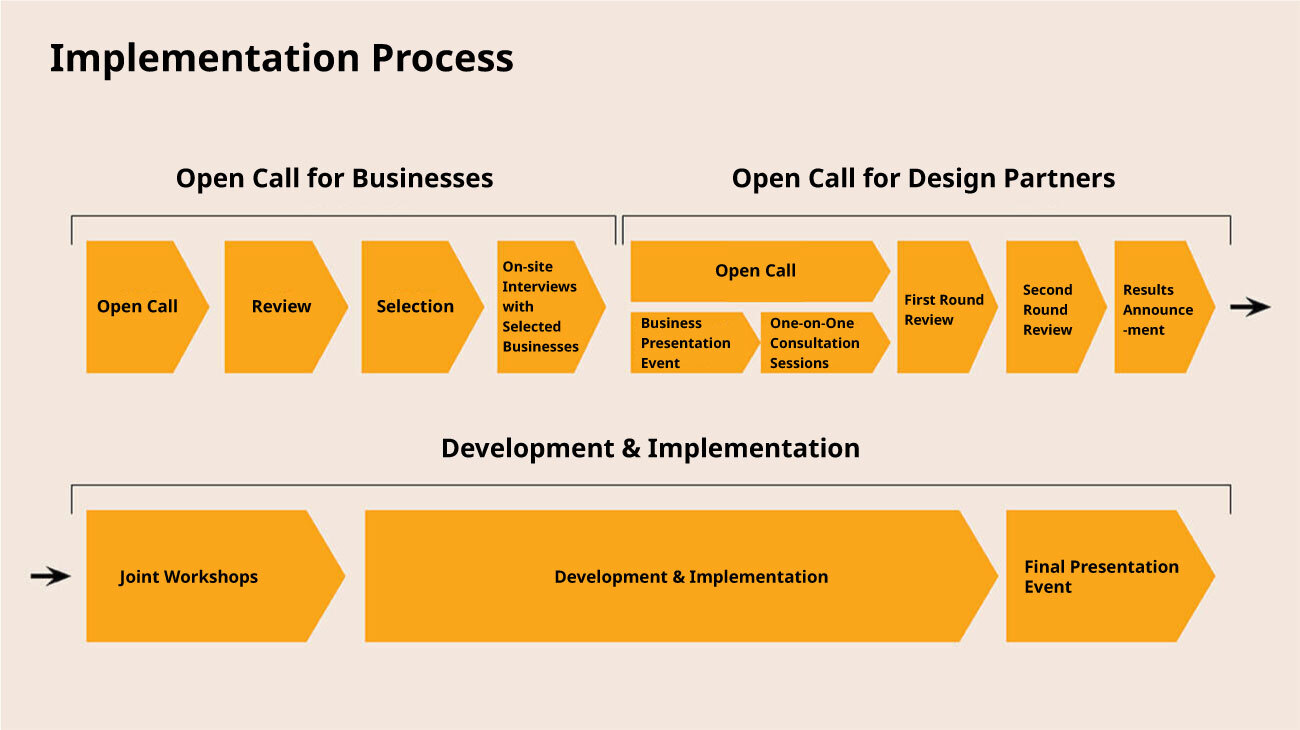
Process
Throughout the design competition, the project conducted separate open calls for local businesses and for design partners. In the development and implementation phase, joint workshops involving both businesses and design partners were held, along with hands-on development support and a final presentation event to report on the outcomes.
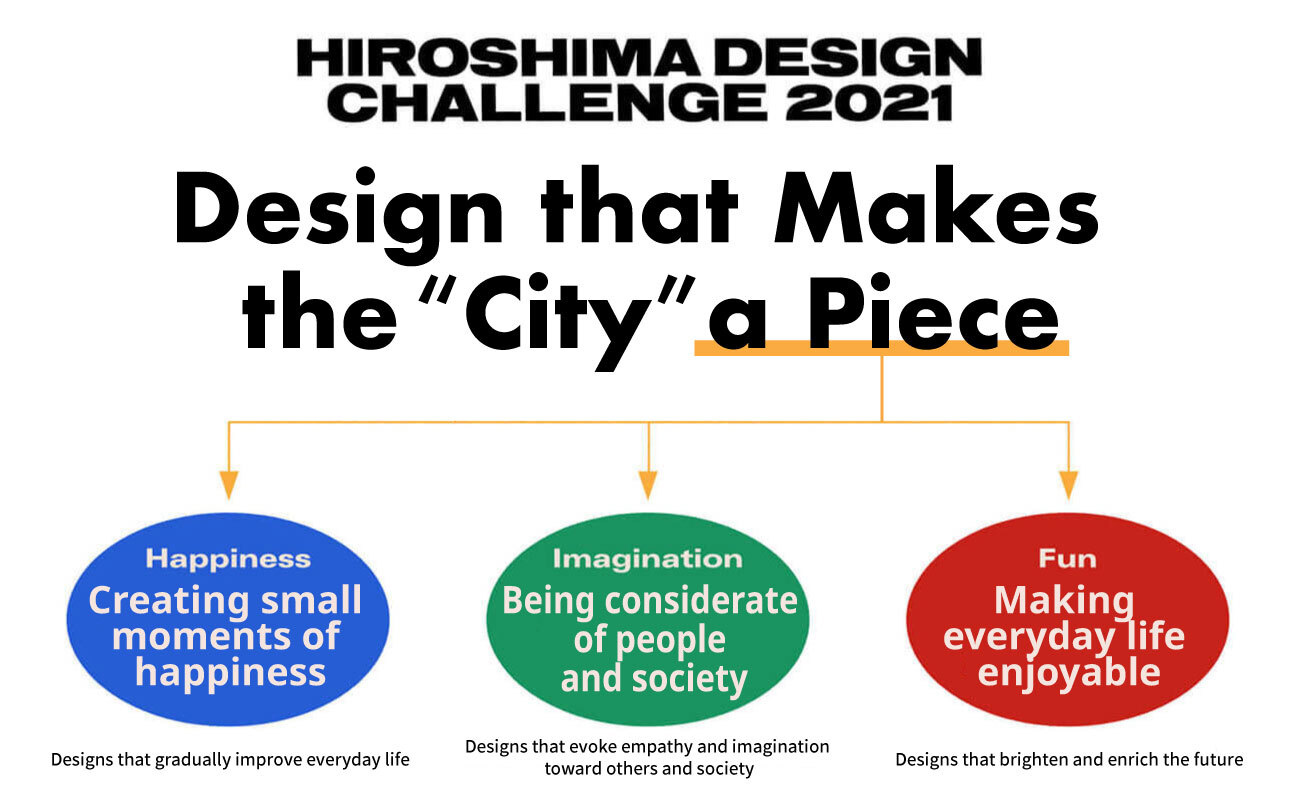
Competition Theme Design
The overall theme of the competition is “Design that Makes the ‘City’ a Piece.” The phrase “make a piece” is broken down into concrete goals such as creating small moments of happiness for people, being considerate of others and society, and making everyday life more enjoyable. The theme expresses the project’s aim of implementing designs in Hiroshima that bring richness and positive communication to the city.
At the same time, amid the challenges faced by local governments during the COVID-19 pandemic, the project focuses on Hiroshima’s resilience. Seventy-five years after the atomic bombing, Hiroshima rebuilt itself from a state of devastation and has become globally recognized as a symbol of peace. This historical background is deeply reflected in the theme.
Looking ahead, the initiative aims to continue beyond the scope of the “city” by repeatedly redefining the “OO” in the theme. Through this ongoing approach, the concept of “design that makes a piece” is expected to become naturally recognized by people who visit Hiroshima. Ultimately, through communication enabled by design, the project aspires to create a future in which everyone is encouraged to think about peace.
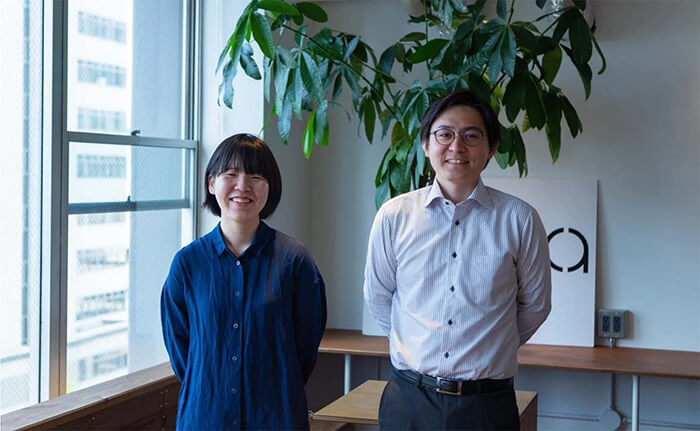
Naoto Fukasawa, a leading product designer active both in Japan and internationally, was appointed as Chair of the Jury. He was joined by Makoto Tanijiri and Ai Yoshida of SUPPOSE DESIGN OFFICE—an architectural design firm based in both Hiroshima and Tokyo—and Takahiro Shibata of the editorial office Kichi, who served as jury members. By bringing together perspectives from both inside and outside Hiroshima, the jury was structured to evaluate a wide range of fields, encompassing not only product design but also spatial design, services, and other design disciplines.
A Business Call Carefully Reflecting Local Challenges and Aspirations
Local businesses based in Hiroshima Prefecture were invited to apply through AWRD, an online open-call platform, targeting those interested in addressing design challenges related to spaces and installations in the city. Applicants underwent a document review and online interviews, during which their motivation for participation and current challenges were carefully discussed. Through an evaluation process conducted by the project team in collaboration with Hiroshima Prefecture, businesses willing to take on new ventures were selected.
In addition, on-site visits and interviews were conducted with the selected businesses. Looking ahead to the next phase—the open call for design partners—the team carried out field observations while listening closely to each company’s products or issues they wished to turn into “peace,” as well as their expectations for collaboration with design partners.
Selected Businesses
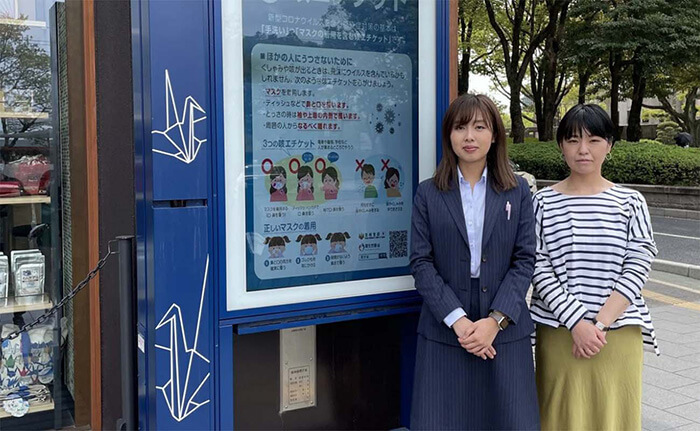
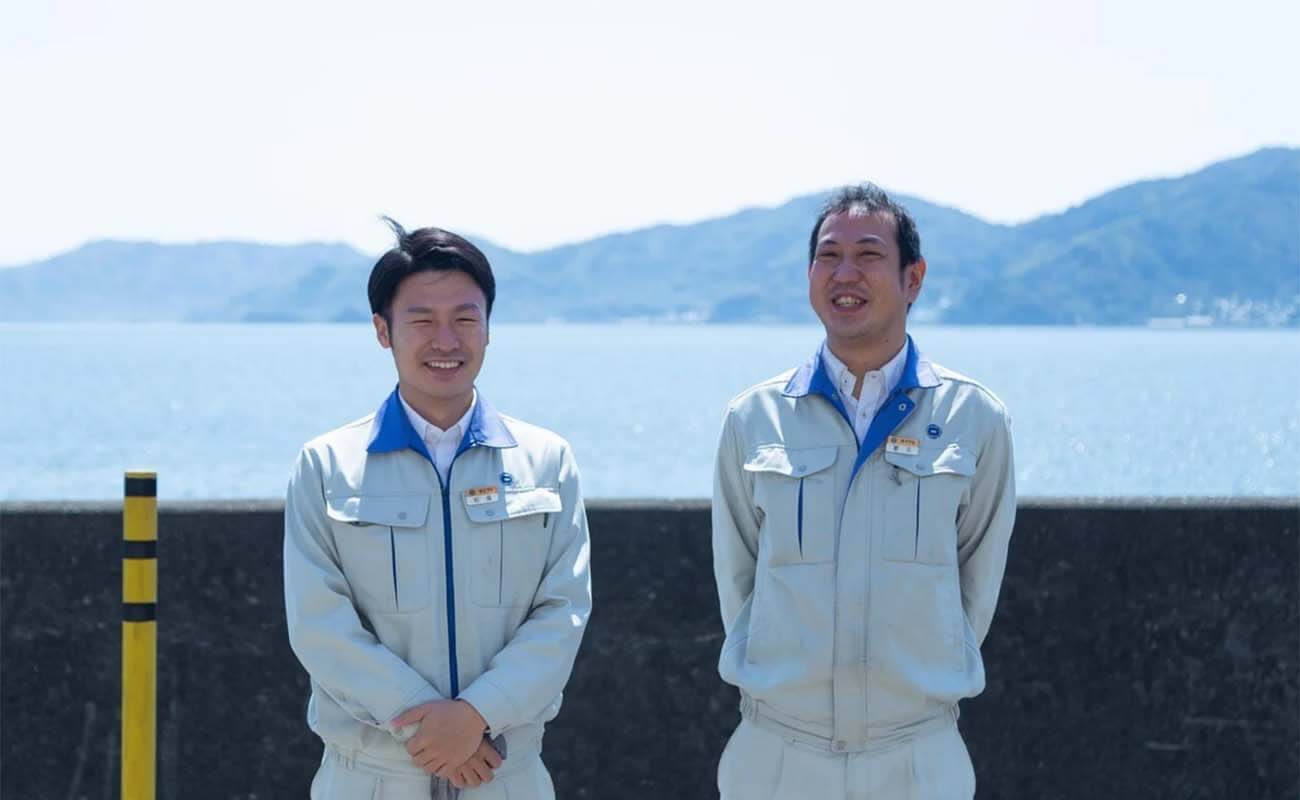

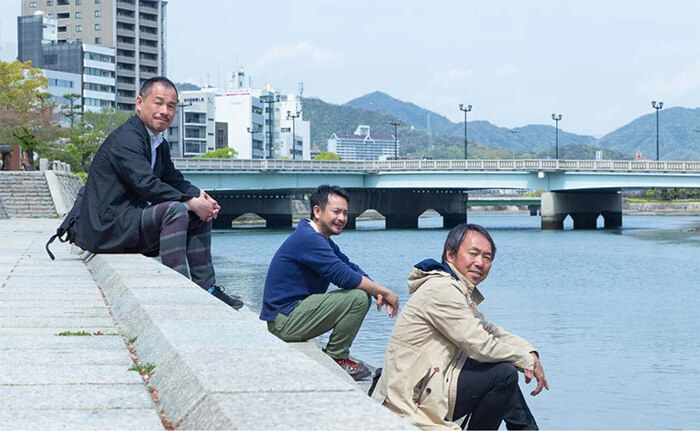
Matching Designers and Local Businesses through an Open Call for Ideas
To address the challenges faced by the selected local businesses, we invited design partners to collaboratively pursue new development and implementation. A total of 154 design proposals were submitted by creators from a wide range of disciplines, followed by a review process. Based on the results, we reconfirmed the commitment of both the businesses and the creators to proceed with development and implementation, ultimately selecting five teams.
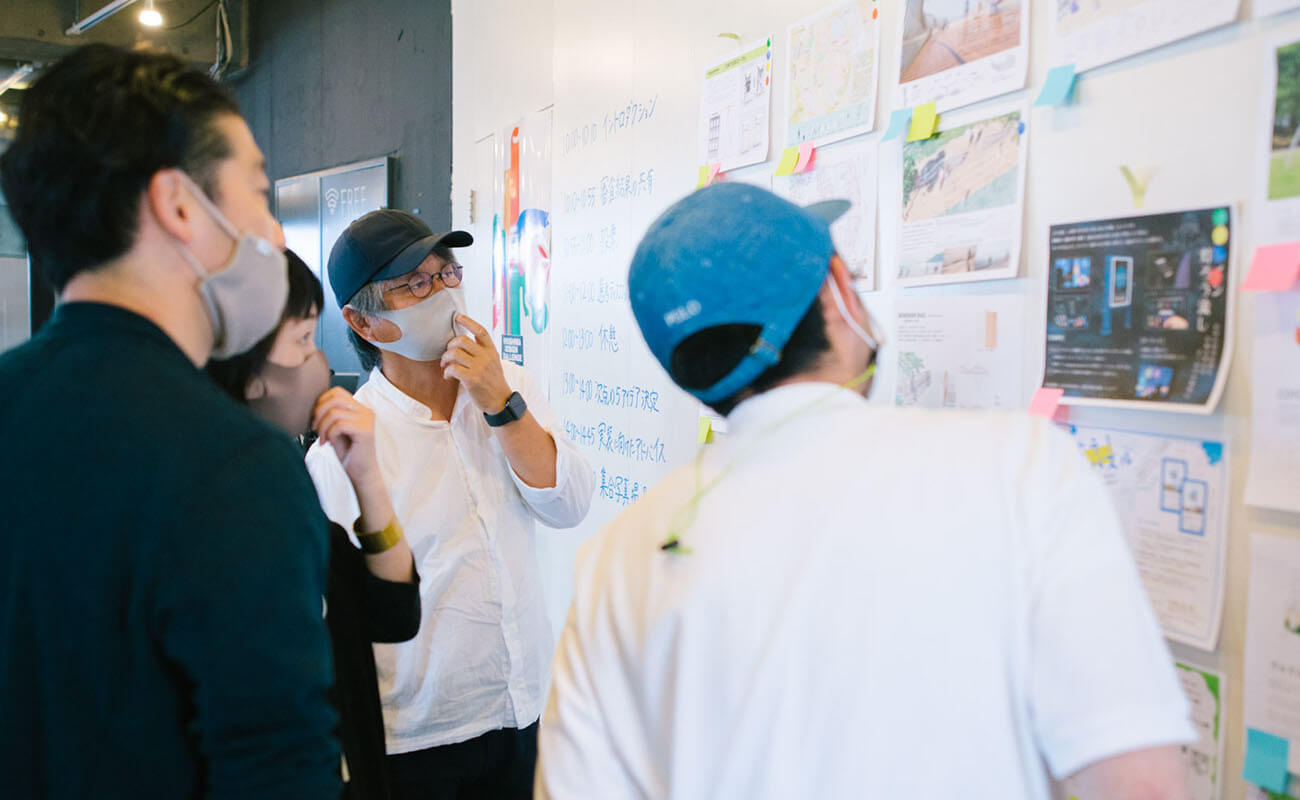
During the application period, we held online “Business Presentation Events” to help participants better understand the perspectives and needs of the participating businesses, as well as “One-on-One Consultation Sessions” where creators could directly ask questions. By providing opportunities for verbal communication in addition to written materials, we aimed to improve both the relevance and quality of the submitted ideas.
Clear communication design and development support enabled rapid implementation within a short timeframe.
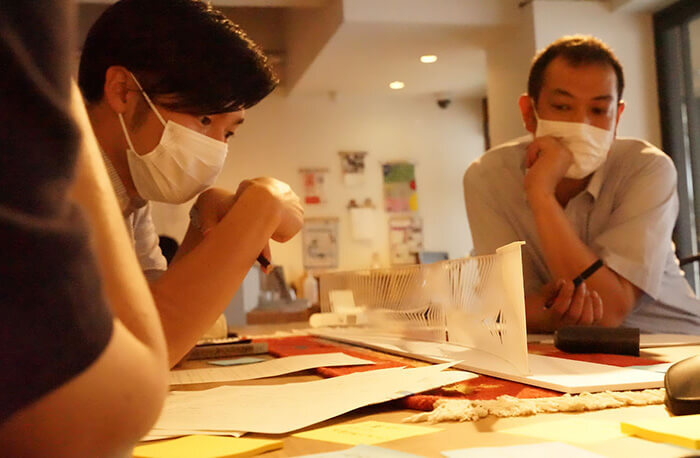
Teams consisting of local businesses and creators were formed to develop and implement products based on the selected design proposals. From a joint workshop that also served as an initial meet-and-greet between businesses and creators to the final presentation event as the project goal, each team engaged in ongoing discussion and development. In addition, continuous mentoring helped foster a healthy sense of tension and strong communication within the teams.
As a result, despite the short period of just 2.5 months, all five teams successfully brought their projects to implementation. At the final presentation event, the businesses themselves presented the products they had developed. Through this hands-on engagement with design, the project also provided an opportunity for participants to incorporate a design-driven perspective into their future business initiatives.

Building the “Hiroshima × Design” image through multifaceted communication
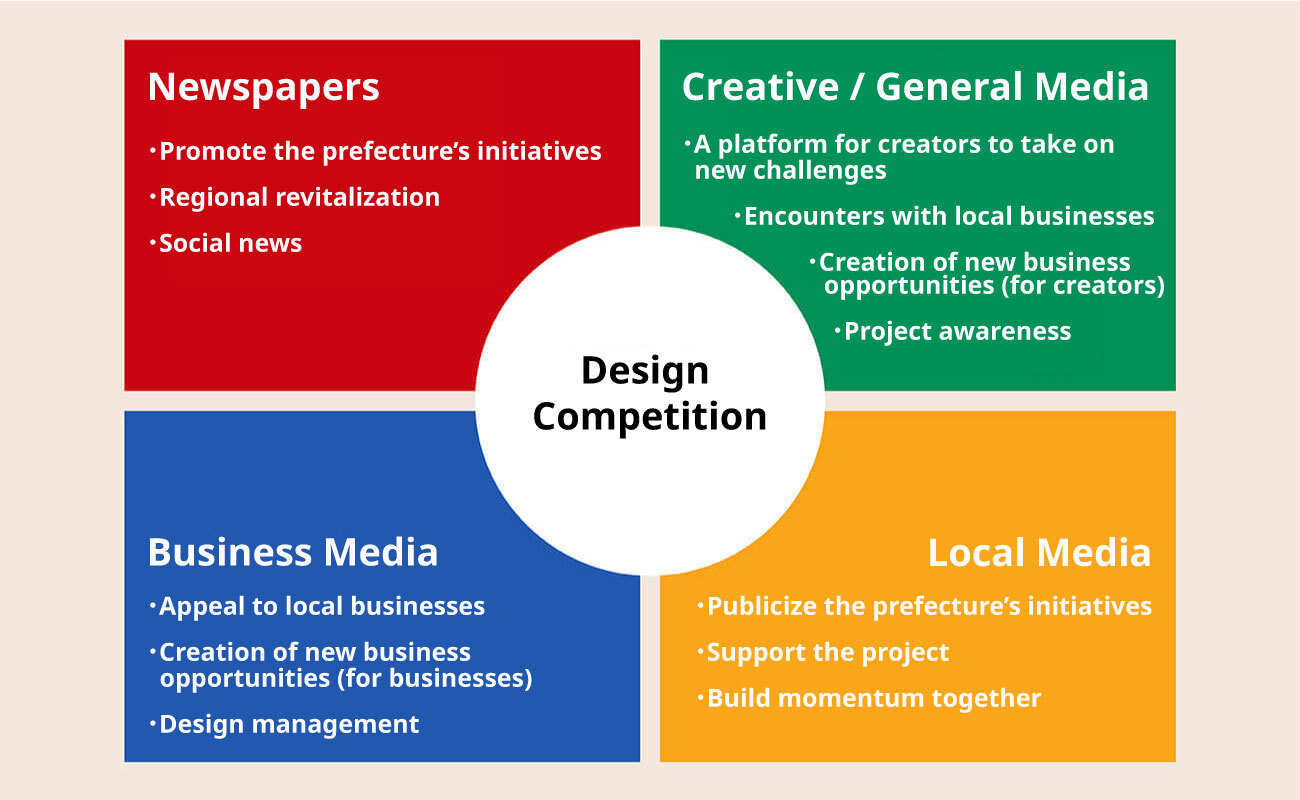
Throughout the project period, strong emphasis was placed on information dissemination, with press releases and media coverage timed to coincide with key moments such as competition announcements and events. In practice, outreach was conducted across a wide range of media perspectives—including newspapers, creative, business, and local media—resulting in a total of 122 media placements. Beyond increasing awareness of the award among creators and local businesses, the initiative aimed to shape the image of “Hiroshima’s design” both within and beyond the prefecture, capturing public interest from a broad audience.
Outputs
Main Visual
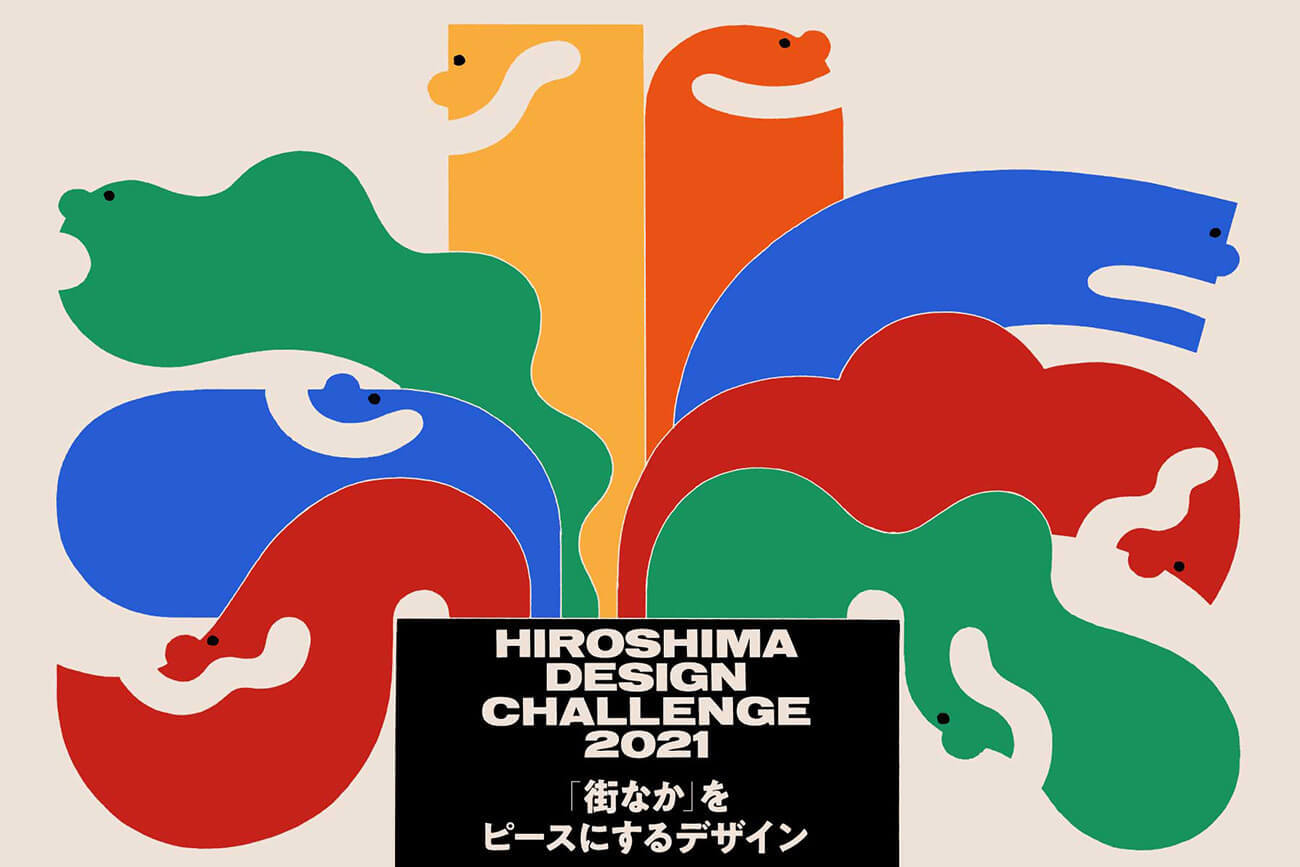
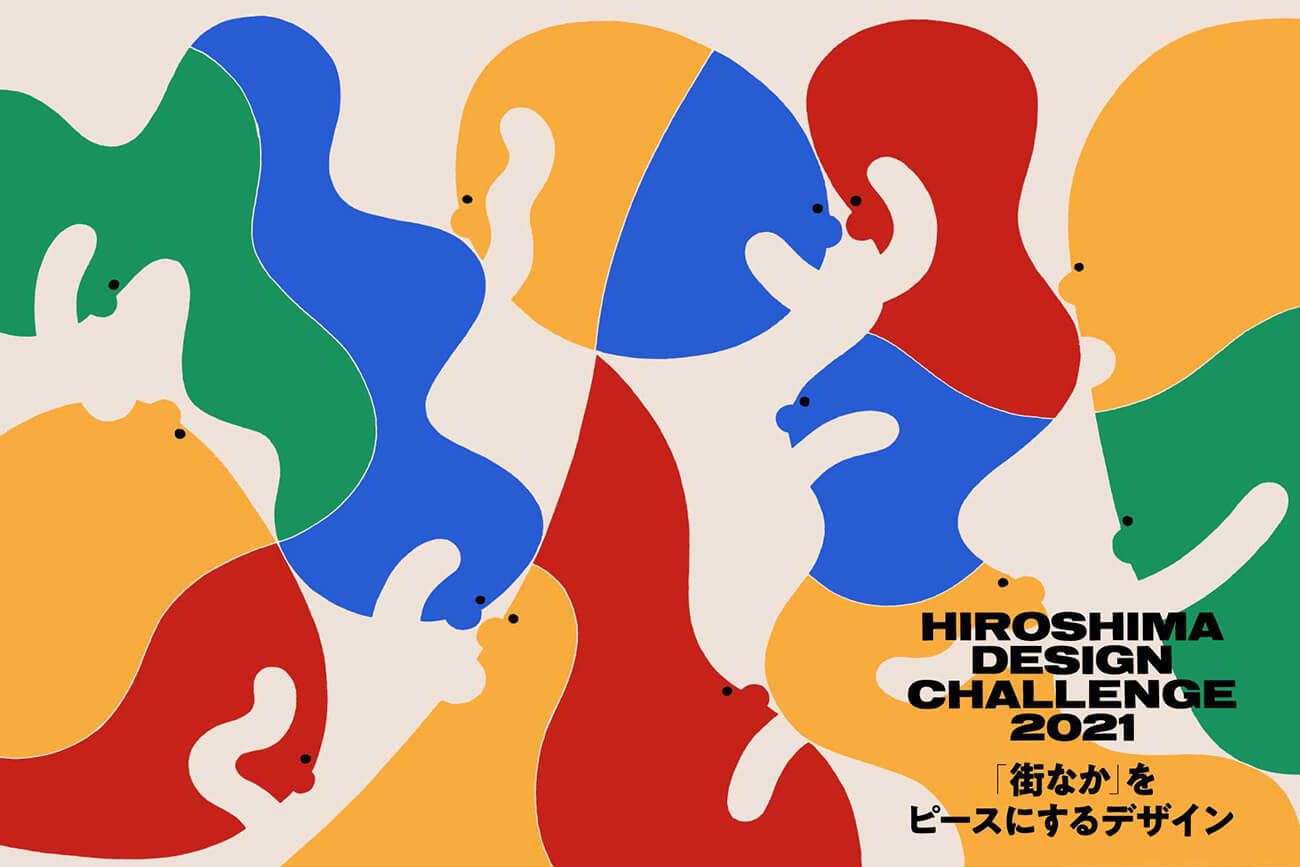
The main visual, developed through repeated discussions with the project stakeholders, is based on the theme “Design that turns the city into peace.” Using the keywords fairness, safety, hope, and imagination (creativity), it expresses the idea of expanding a community of supporters and collaborators who resonate with Hiroshima Prefecture’s initiatives through diverse ideas.
Hiroshima Design Challenge Archive Site
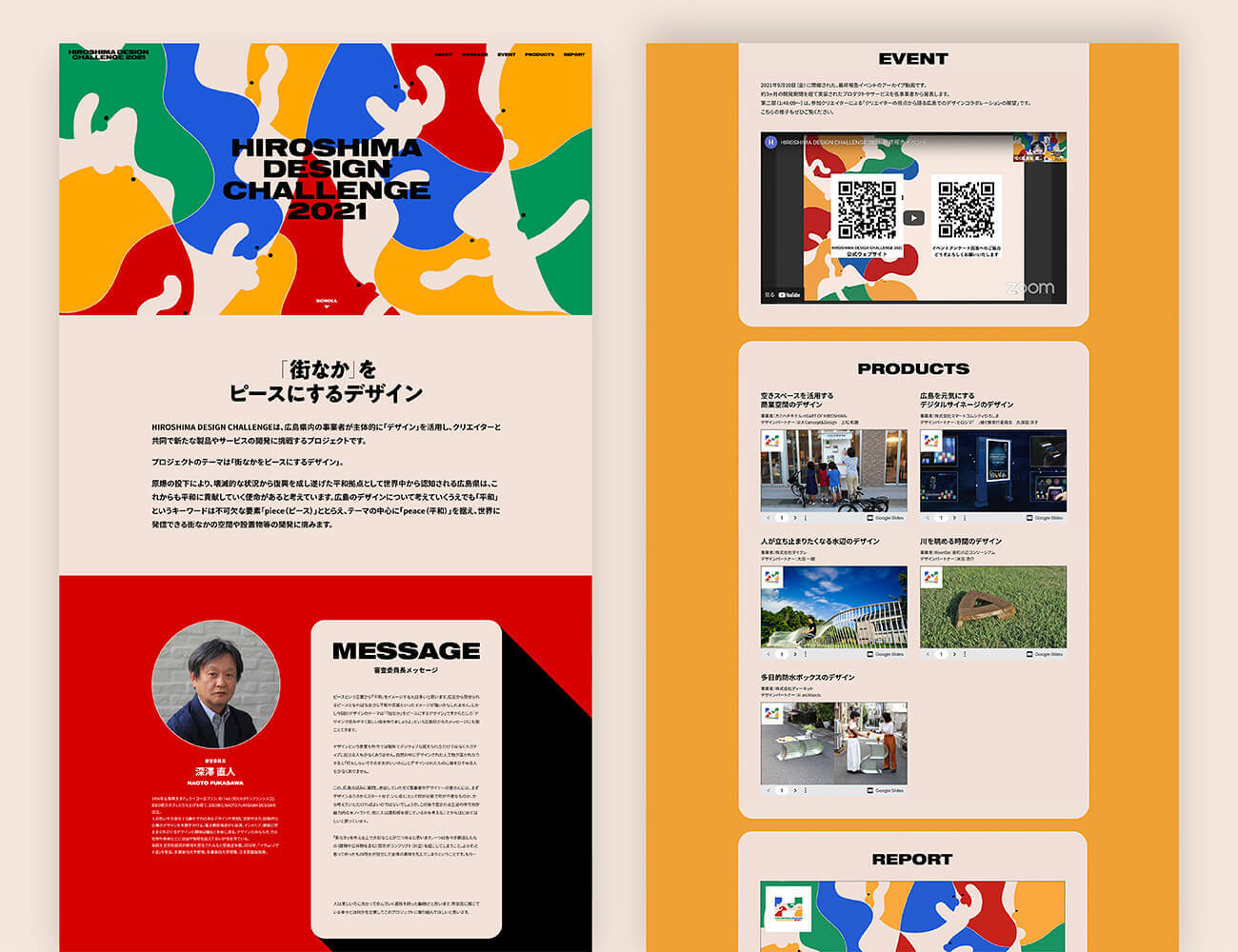
https://hiroshima-sandbox.jp/design-challenge.html
Developed and Implemented Products

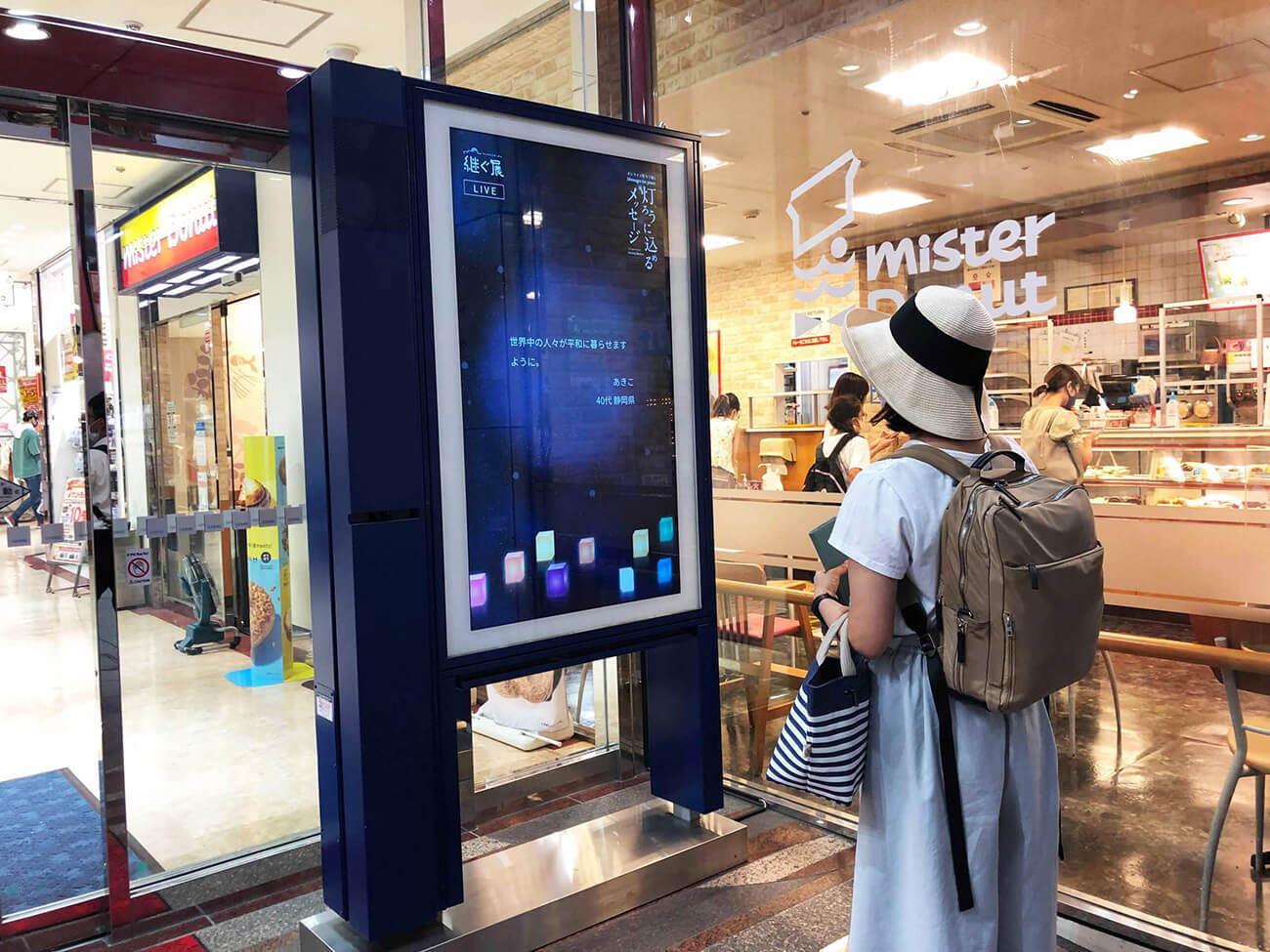
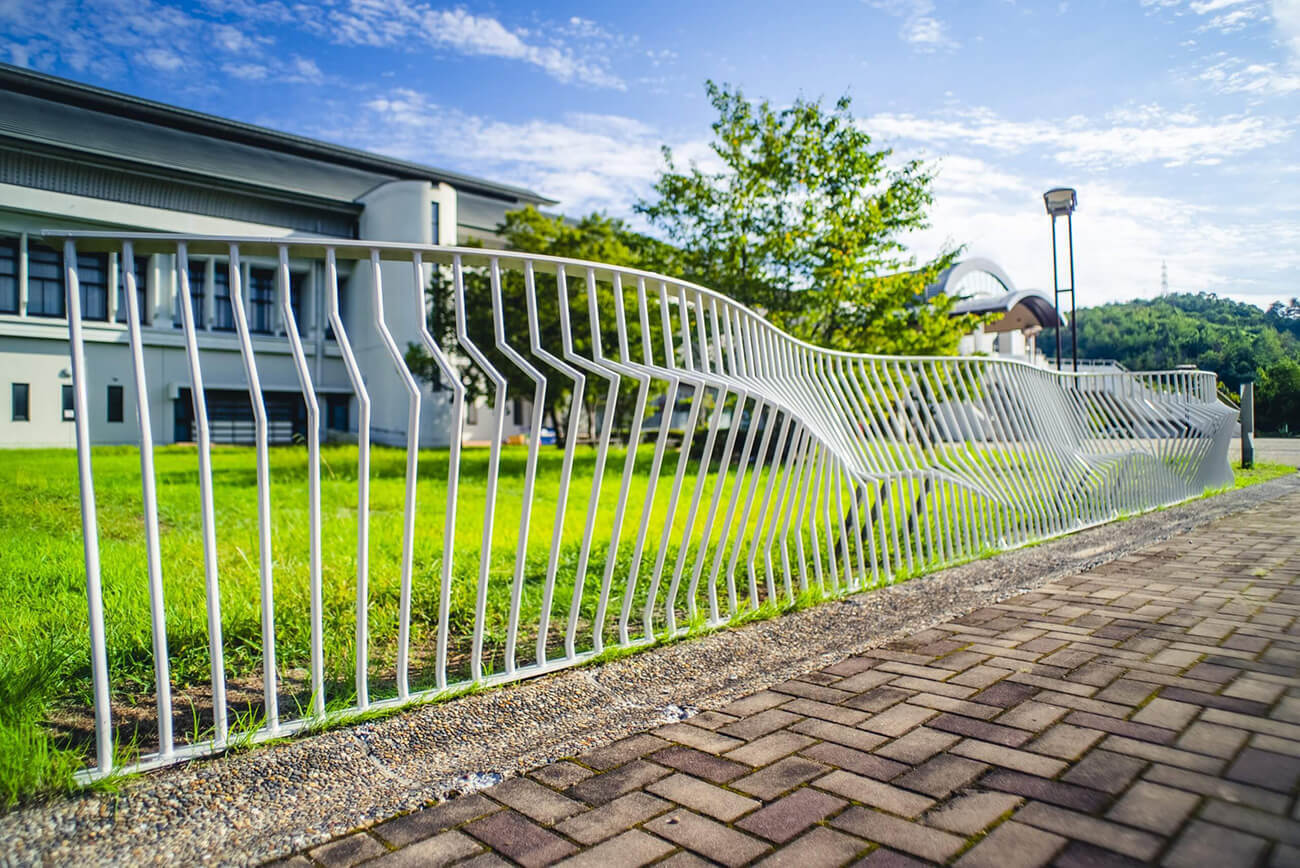
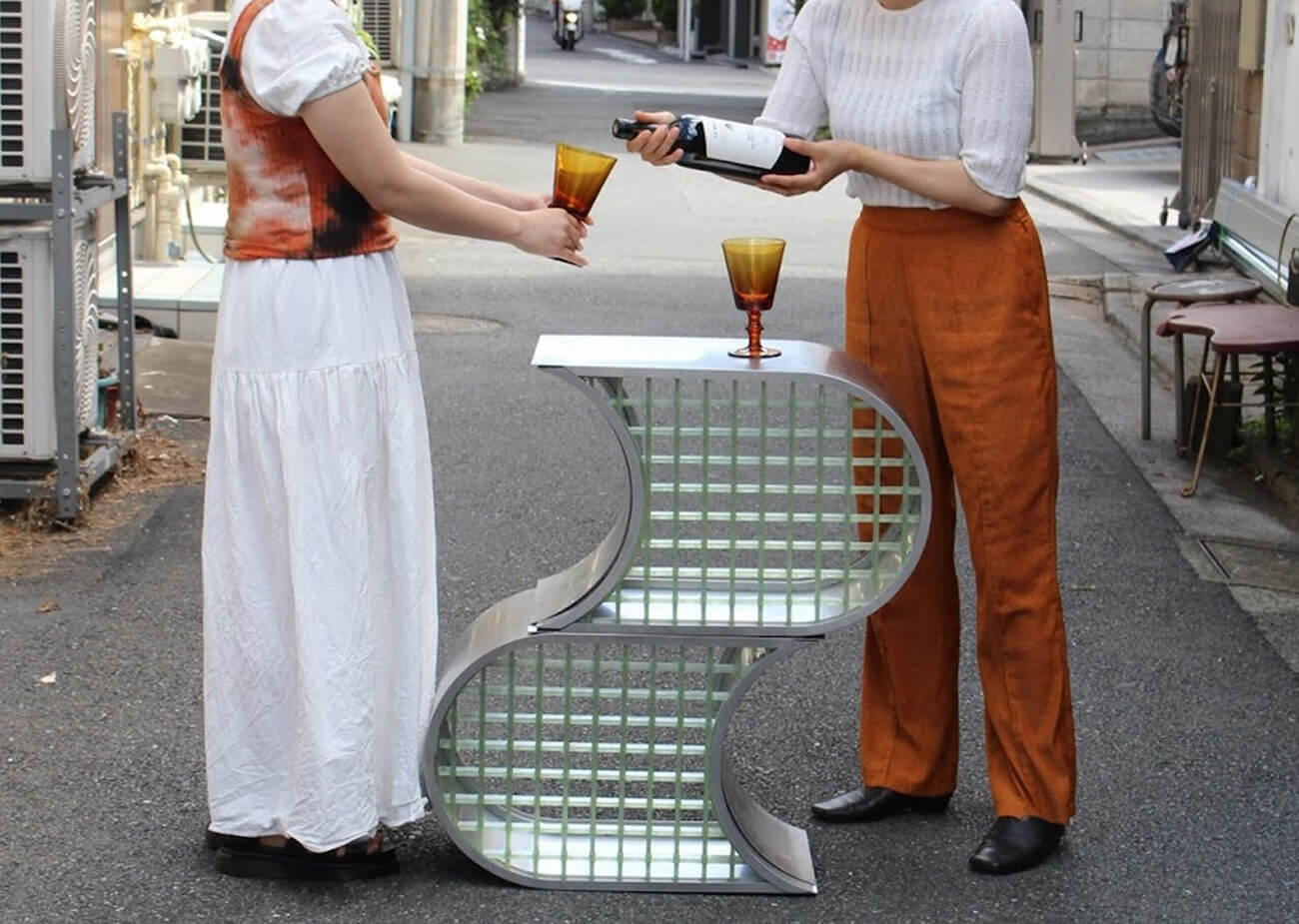

Outcome
This project aimed not only to attract creators as design talent but also to create opportunities for local businesses to actively engage with design. Surveys of participating businesses revealed responses such as, “Being exposed to design frameworks broadened our options for utilizing existing products and business operations,” and “We were able to rediscover the value and potential of our products and business.”
For creators, the project offered new challenges through collaboration with local businesses, including gaining insights closely tied to the lives and history of the region and collaborating with the advanced manufacturing techniques of local industries. In fact, participating creators reported that “even after the project ended, it provided an opportunity to continue creating products together with Hiroshima’s businesses.”
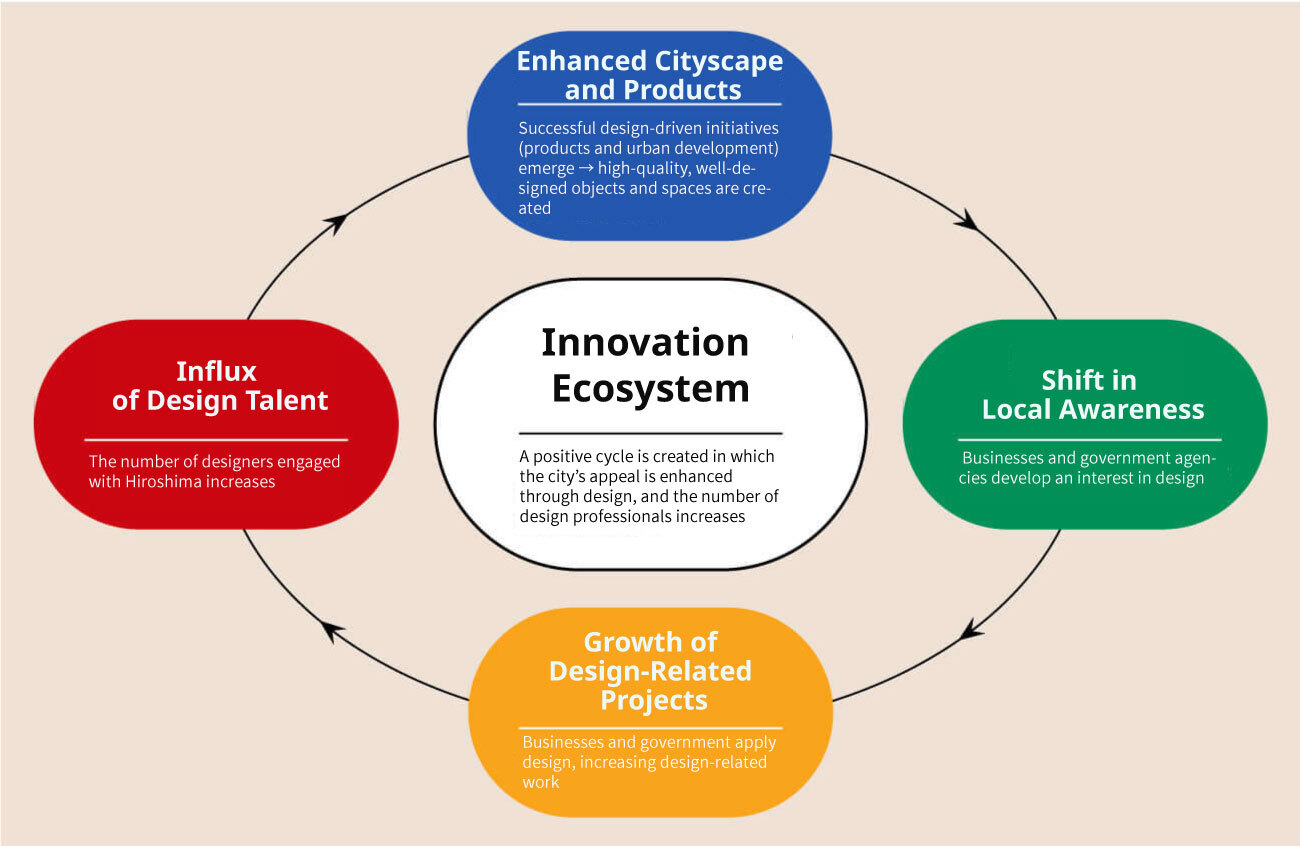
The ultimate vision of the project is the realization of an innovation ecosystem.
The project served as a catalyst for local businesses and government officials to develop an interest in design. Building on this successful experience, it is expected that more players will be involved in design-related initiatives within the prefecture, enriching Hiroshima’s cityscape, objects, and spaces with high-quality design and enhancing its appeal. Through this bottom-up transformation, the image of “Hiroshima × Design” will be strengthened, attracting further design talent and generating a positive cycle of innovation. This project marked a first step toward Hiroshima Prefecture’s goal of creating a “city full of design” and establishing an innovation ecosystem.
- Project Overview: Design Promotion
- Project Period: November 2020 – September 2021
- Client: Hiroshima Prefecture, Regional Policy Bureau, Urban Area Attraction Promotion Division
Team
Loftwork Inc.
- Business Director / Overall Design & Producer: Miyuki Ida
- Project Manager / Implementation Lead: Mitsuru Kikuchi
- Creative Director: Renon Yamada
- Competition Planning & Execution Director: Taiga Kato
- Development & Implementation Phase Director:Shinshin Tai
- Project Support: Yui Kaneko, Shuzo Teramoto, Minori Nagawa
- PR: Mariko Suzuki, Ryoko Iwasaki
- AWRD Team: Ryo Kobiyama, Ryohei Sekai, Eri Matsuda
Competition Judges
- Naoto Fukasawa (Naoto Fukasawa Design)
- Makoto Taniyoshi & Ai Yoshida (SUPPOSE DESIGN OFFICE)
- Takahiro Shibata (Editorial Office Kichi)
Partners
- Key Visual Design: Ikki Kobayashi (Graphic Designer)
- Web Design: Takao Neko (CIVILTOKYO)
- PR: Reiko Shinohara (liil LLC)
Titles reflect positions at the time of the project.
Member
Member Voice
"Amid the rapidly changing situation of COVID-19, there were several challenging moments, such as having to shift planned in-person events online and figuring out how to achieve effective outcomes in a virtual setting. Loftwork provided flexible proposals each time, allowing us to respond effectively according to the circumstances.
As a result, survey responses from residents indicate that this project successfully sparked greater interest in design among the public, exceeding our expectations. We hope to leverage the momentum for design utilization generated through this project to continue creating an attractive city where design talent can thrive."
Kouta Harada, Urban Area Attraction Promotion Division, Hiroshima Prefecture Regional Policy Bureau
"First, we would like to sincerely thank all the participating businesses and creators, the judges, the Loftwork team, and everyone else involved.
This project aimed not just to gather ideas, but to bring them to development and implementation. We are very grateful that participants were able to realize their ideas in such a short period of time. During the development and implementation process, various challenges arose, including design registration issues, and Loftwork provided careful support where the prefectural staff could not keep up.
Thanks to this successful implementation, residents have shared feedback such as, 'I saw it—it looks great,' 'I want to try it,' and 'The atmosphere there has improved.' We hope this project will further expand a design-conscious perspective throughout Hiroshima."
Shohei Kanna, Urban Area Attraction Promotion Division, Hiroshima Prefecture Regional Policy Bureau
"What does ‘Hiroshima Design’ really mean?
At the start of the project, we spent a lot of time discussing this question. While time kept moving forward and there were moments of frustration, through repeated exchanges with Mr. Harada and Mr. Kanna at the prefectural office, we gradually aligned our perspectives and moved toward launching the project.
This was a project built together by everyone involved. Even after launch, we faced a series of challenges, but the fact that we overcame them as a united team is what I am most proud of. I am deeply grateful to everyone who supported us."
Mitsuru Kikuchi, Senior Director, Creative Division, Loftwork Inc.
"As someone from Hiroshima, this project was deeply meaningful to me. On top of that, the theme of ‘Peace’ in a city that experienced the atomic bombing, and the judges who care deeply about Hiroshima, added a great sense of responsibility and weight as we moved the project forward.
Although the COVID-19 situation continuously changed the conditions and created difficult moments, I am very grateful that we were able to persevere like comrades alongside the Hiroshima Prefectural Office, create opportunities and outcomes through co-creation between local businesses and creators from across Japan, and deliver messages to many people in Hiroshima.
That said, ‘Designing to bring peace to Hiroshima’ is only taking its first steps. I hope this initiative becomes a catalyst for Hiroshima to grow into an even more attractive city filled with peace-driven design."
Miyuki Ida, Director, FabCafe Nagoya / MTRL Producer, Loftwork Inc.
"When deciding on the theme for this initiative, I kept two groups of stakeholders in mind. First, the businesses of Hiroshima Prefecture: would the theme resonate with their desire to honor the city they are rooted in—the city’s history, its present atmosphere? Second, the creators: would the design approach of ‘making peace’ be perceived as a universally relevant keyword to improve society, especially amid the COVID-19 pandemic?
Here, ‘peace’ is not meant as the opposite of war, but as the small desire within many people to make the present just a little better. The playful reading of the word emphasizes this intention. Thanks to Kazuki Kobayashi’s brilliant graphic design, this became a contemporary theme that connects both inside and outside of Hiroshima Prefecture. I hope that the five wonderful products ultimately created will continue to transform Hiroshima’s cityscape into a more ‘peaceful’ place."
Renon Yamada, Creative Director, Loftwork Inc.
"I was in charge of managing the product development phase after the matching process in this project. It was an initiative where we could explore, together with local businesses and creators, how design can truly enhance the richness of the region under the theme of ‘Hiroshima × Design.’
The businesses shared the challenges they faced, and the creators responded with compelling ideas. Through this mutual exchange of intentions and perspectives, we were able to turn the theme into tangible products. I’m looking forward to seeing these prototypes further developed and the resulting ‘peaceful’ experiences being used by the local community."
Shinshin Tai, Creative Director, Loftwork Inc.
"‘Design that turns the city into pieces of peace.’ When I first heard this phrase, I felt the resolve to make Hiroshima a prefecture full of design. The fact that the five business × creator teams were able to reach implementation in just 2.5 months, despite repeated trial and error, was possible because the perspectives of the government, businesses, and creators were aligned—they truly became ONE TEAM.
Both the businesses and creators sincerely embraced the word ‘peace’ and translated it into their respective challenges. I felt a quiet yet profound passion bubbling from within. I’m very much looking forward to seeing even more ‘peaceful’ designs fill Hiroshima in the future."
Minori Nagawa, Creative Director, Loftwork Inc.
Related projects
Just like the HIROSHIMA DESIGN CHALLENGE 2021 introduced here, AWRD provides numerous opportunities for regions and companies to incorporate new perspectives and ideas, creating value through co-creation.
Explore similar initiatives and ways to leverage our services:
View other co-creation & design project cases
See all past AWRD case studies
How to utilize co-creation & design with AWRD
View AWRD service overview & usage methods
AWRD is an open call platform for co-creation where companies, local governments, and creators collaborate on diverse themes.
By inviting projects and talent from around the world, it enables initiatives in business development, community co-creation, and startup support through open innovation.
From project design to operational support, AWRD accompanies initiatives every step of the way, fostering co-creation that opens up value to society.