Theme Owner: Kohei Ogawa
(Researcher / Tokai National Higher Education and Research System)
Reason for Setting the Theme & Message from Dr. Ogawa
For many years, we have explored the question “What does it mean to be human?” through interactions with robots and artificial agents.
However, the very assumptions underlying this question are now shifting dramatically. With the recent rapid advances in AI technology, agents are increasingly intelligent and capable of autonomous behavior. This is no longer a futuristic fantasy—our coexistence with autonomous agents has quietly already begun.
This gradual integration with technology subtly affects not only our social structures but also our inner lives. When we reflect on the past, do we not sometimes sense a faint but real discrepancy between the image of humanity we once believed in and who we are today?
In this theme, we deliberately shift our perspective toward the future. If we were to view “the present” from a future society where humans and agents coexist deeply, how would the future us see the humans of today?
- How should we have behaved?
- What should we have created?
Based on this “gaze from the future,” we invite activities, research, and works that fundamentally rethink our current actions—our behaviors and creations.
We hope that the proposed works and activities will provide hints for both participants and audiences to imagine a better world and to carve out a path toward the future amid ongoing change.
Profile
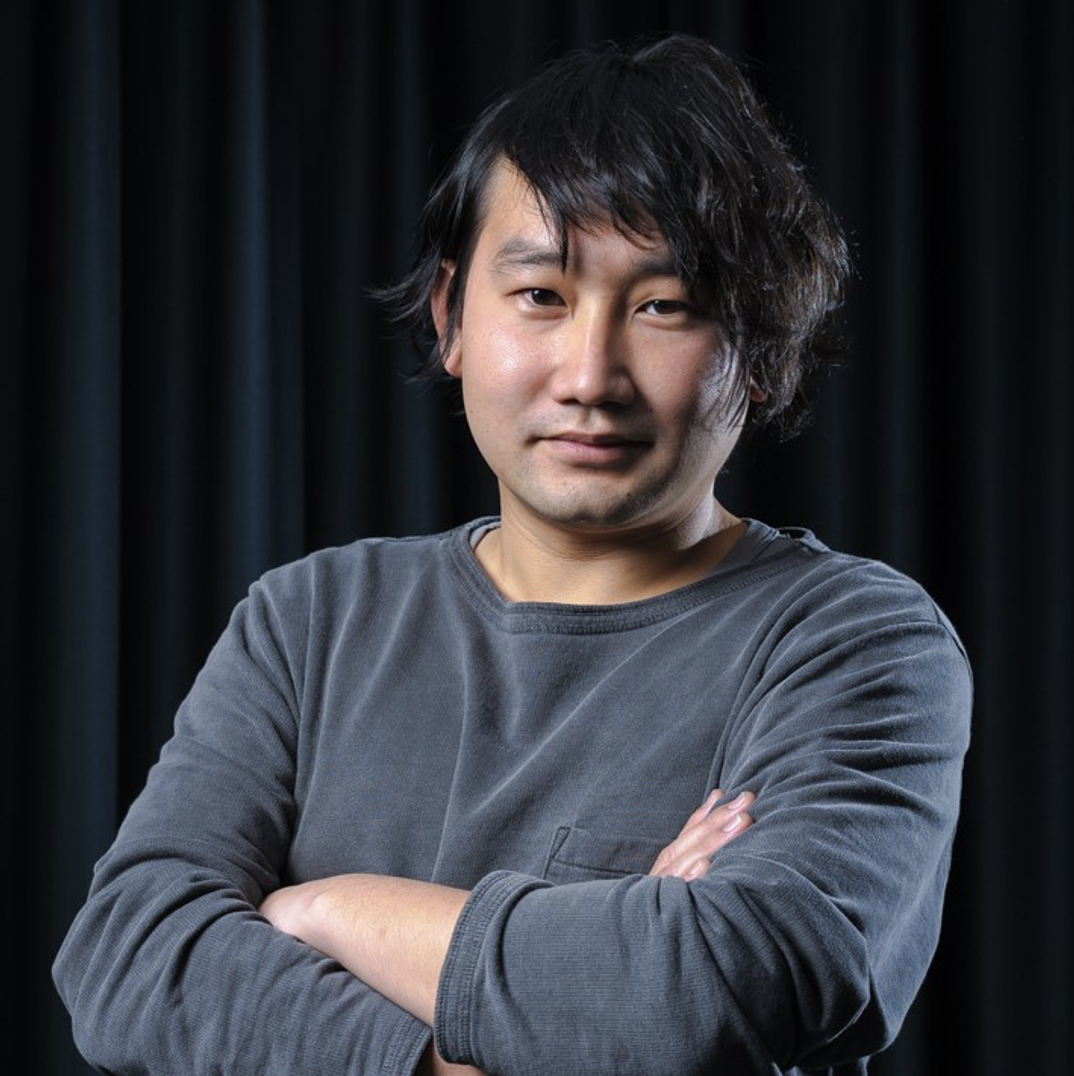
Dr. Kohei Ogawa completed his Ph.D. in Systems and Information Science at the Graduate School of System Information Science, Future University Hakodate in 2010. From 2008, he was a researcher at ATR Intelligent Robotics Laboratory; from 2012, an assistant professor at Osaka University’s Graduate School of Engineering Science; later a lecturer at the same institution; and since 2019, associate professor at the Graduate School of Engineering, Nagoya University. Dr. Ogawa conducts research on human–artificial agent interaction, grounded in robotics and AI technology. In parallel, he has created robotic art projects, receiving awards at Ars Electronica and the Japan Media Arts Festival (Art Division), among others. He has also presented his research at major international conferences, including TED, focusing on the field of Human-Agent/Robot Interaction (HAI/HRI).
Examples of Research
Android U
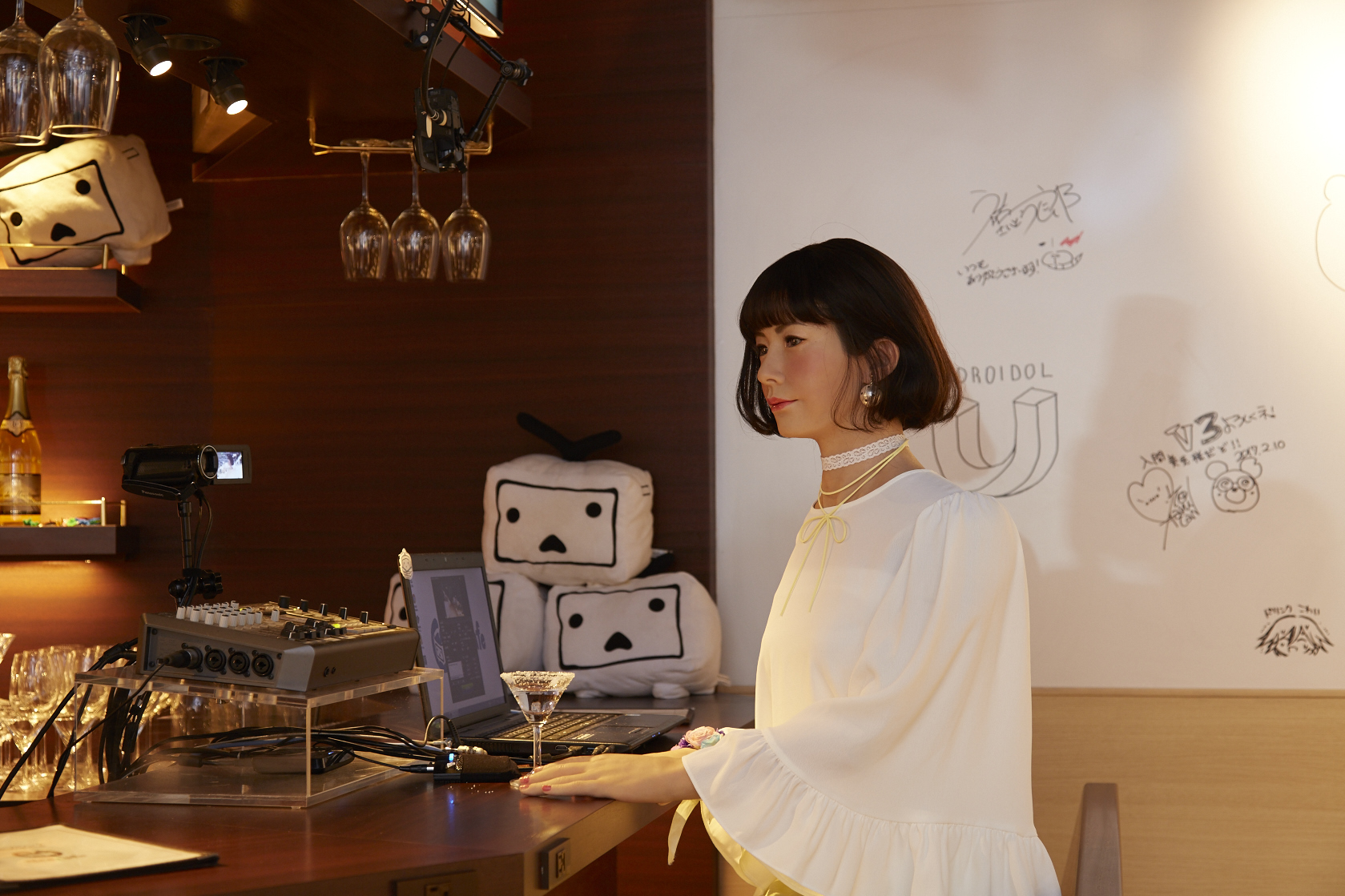
In order to deploy humanoid androids capable of conversation in our society, it is necessary not only to implement human-like behaviors in robots, but also to examine how humans perceive robots as social actors. This project investigates the practical implementation of female-type androids in real-world settings—such as restaurants, department stores, and theater performances. Through these deployments, the project explores the effectiveness of robots with human-like presence and demonstrates the potential for coexistence between humans and robots.
Android Kannon “Mindar”
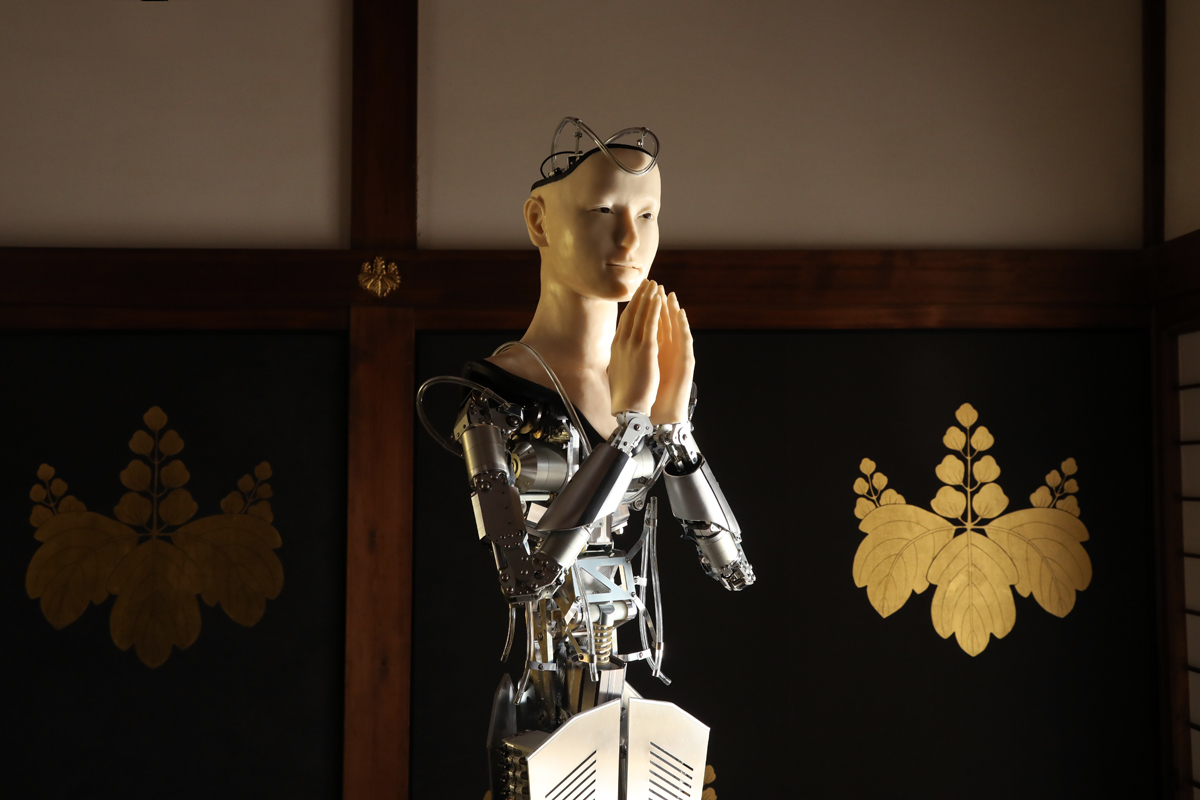
This project introduced an android robot to Kōdaiji Temple in Kyoto, which has a 400-year history. Through the robot delivering Buddhist sermons, it has been highly regarded as an engineering study that expands the expressive, conversational, and motion capabilities of robots.
Furthermore, by merging traditional religious practice with cutting-edge technology, the project raises fundamental questions about how technology can be integrated into human spiritual life and social institutions, presenting these questions concretely within the context of a temple.
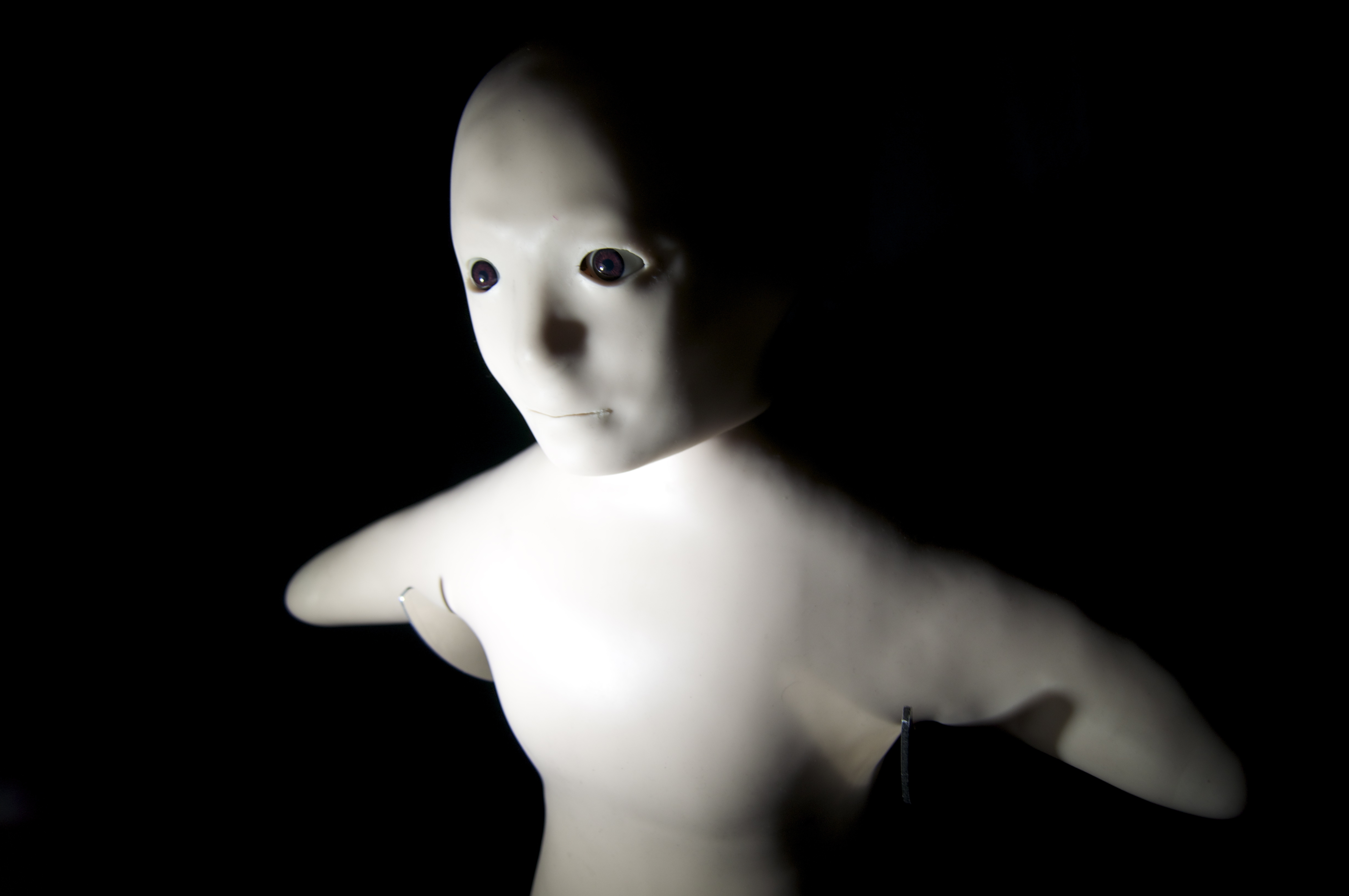
Telenoid
To explore whether a remotely operated android can convey the presence of its operator, the Telenoid was developed with an abstract appearance that does not suggest a specific gender or age. Research using Telenoid revealed that a person’s sense of presence arises not only from the replication of appearance or voice, but also from the imagination of the person interacting with it. Furthermore, by deploying Telenoid in real-world settings such as education and caregiving, the project demonstrated the potential applications of remotely operated androids.
