Where can we find what is uniquely characteristic of a place? Perhaps it resides not only in its climate and landscape, but also in the “sounds” heard throughout the town. With this question in mind, an experimental initiative was launched: creating music using sounds recorded in the city through field recordings. Through this music-making process, we at Loftwork believed it could offer an experience that engages with the cultural soil lying dormant within the city.
As part of the related programs for the national cultural festival Nagasaki Peace Culture Festival 2025, Sasebo City held an open-call project titled the “Sasebo Sound Chronicle Award.” Conceived as a music award to express the “present” of Sasebo and to create music that exists alongside the city, the initiative showcased nine finalist works at a special exhibition held at the Sasebo City Museum Shimanose Art Center (commonly known as “Shimabi”). The Grand Prix-winning work was awarded an invitation to the ceremony in Sasebo, along with an opportunity to perform.
Loftwork was responsible for the planning, design, and operation of this award. Through the open call, we aimed to attract artists’ interest in Sasebo and bring fresh perspectives from outside the region.
Outline
An open-call exhibition of sound, open to creators across Japan.
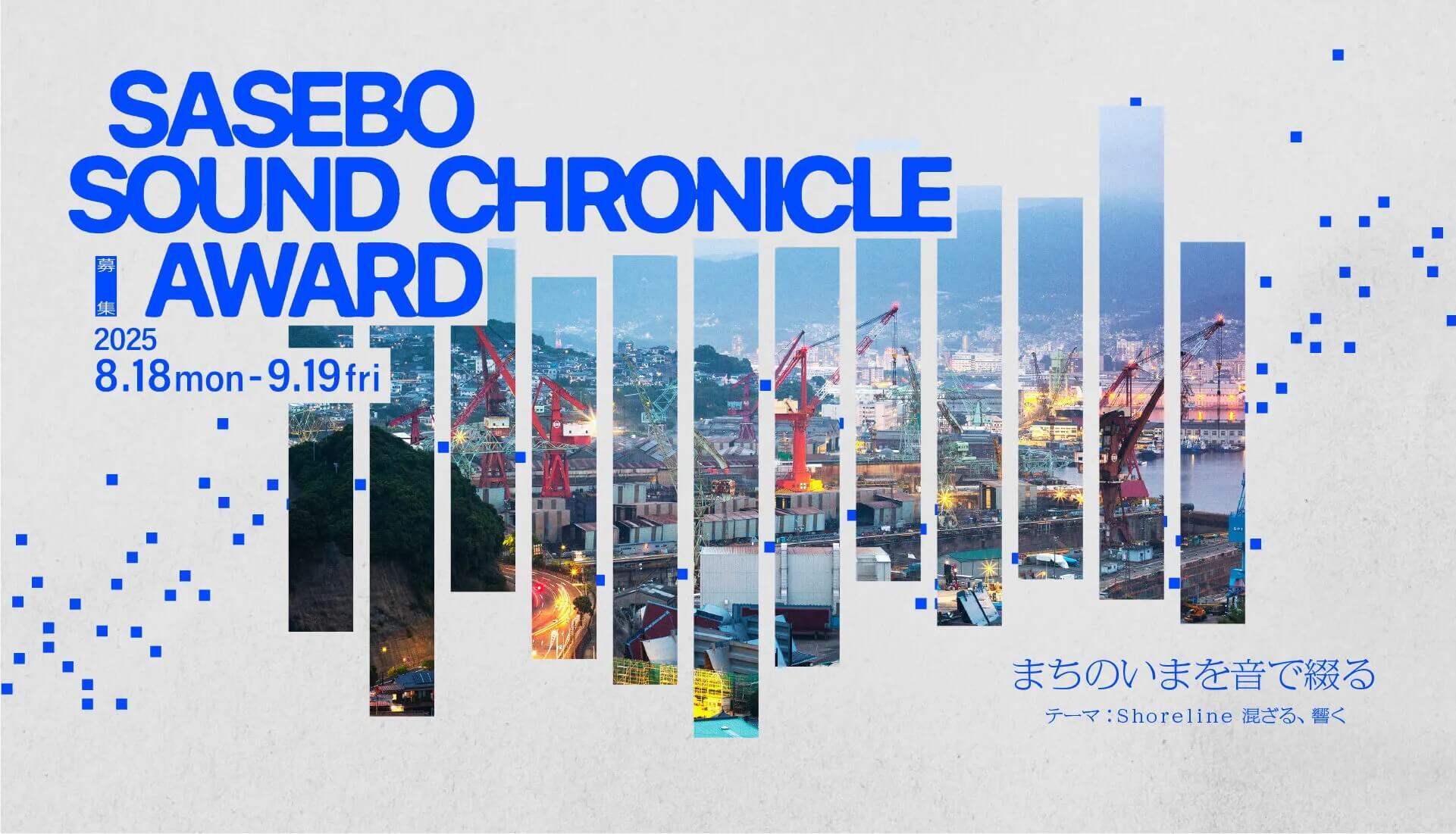
Held in Nagasaki Prefecture, the cultural festival Nagasaki Peace Culture Festival inspired a range of independent cultural initiatives by local municipalities. As part of these efforts, Sasebo City launched this award. Applicants were required to create works using field recordings captured within the city of Sasebo, and a total of 50 submissions were received from across Japan.
Engagement with creators became a catalyst for drawing wider interest in Sasebo. This experimental attempt—a music award built around sounds from the city—encouraged participation not only from creators within Nagasaki Prefecture, but also from diverse regions throughout the country.
Concept
Why “Shoreline” Became the Theme in a City in Flux
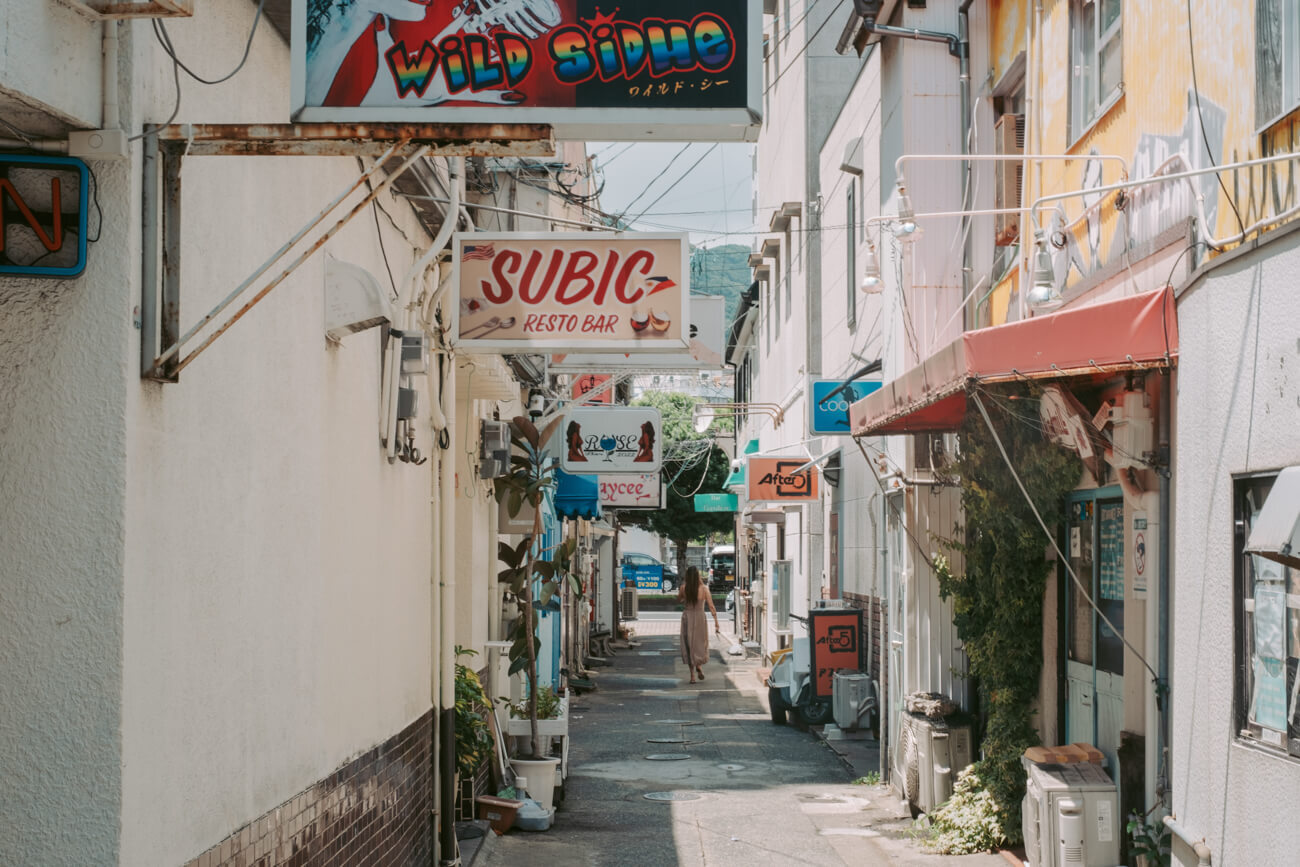
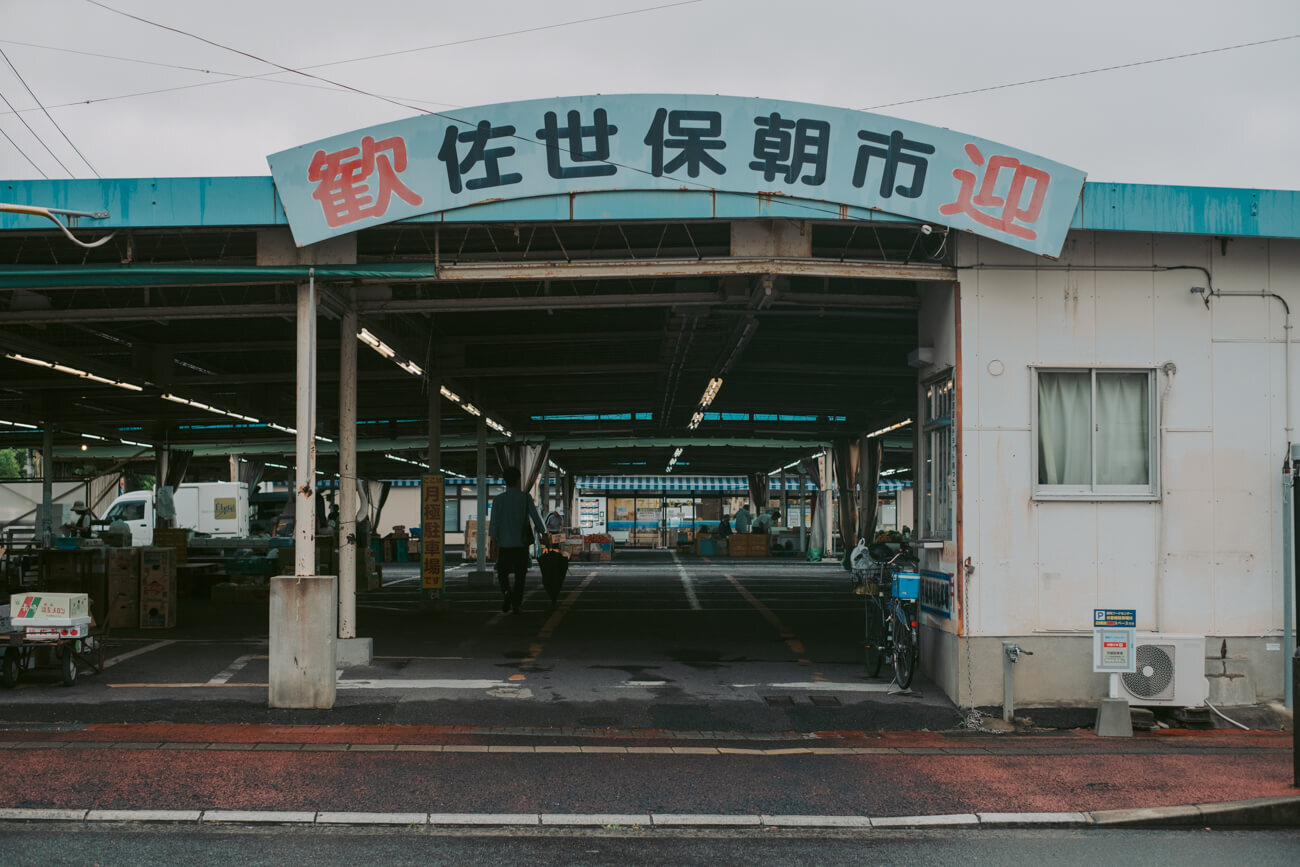
This award adopted “Shoreline: Blending, Resonating” as its entry theme. With its identity as a port town, the tradition of morning markets, the cultural influences brought by the U.S. naval base, and its distinctive cityscape, Sasebo is a place where different elements intermingle and a variety of sounds resonate. By setting a theme that symbolizes this character, participants were asked to express the multifaceted depth of contemporary Sasebo through music. As a result, a wide range of works across genres were submitted from all over Japan.
This project challenged creators to depict Sasebo through the invisible medium of “music.” As sound and reverberation unfold, music speaks to the listener’s memories and emotions. The award was conceived מתוך a desire to weave a sense of “peace” found in everyday life through music.
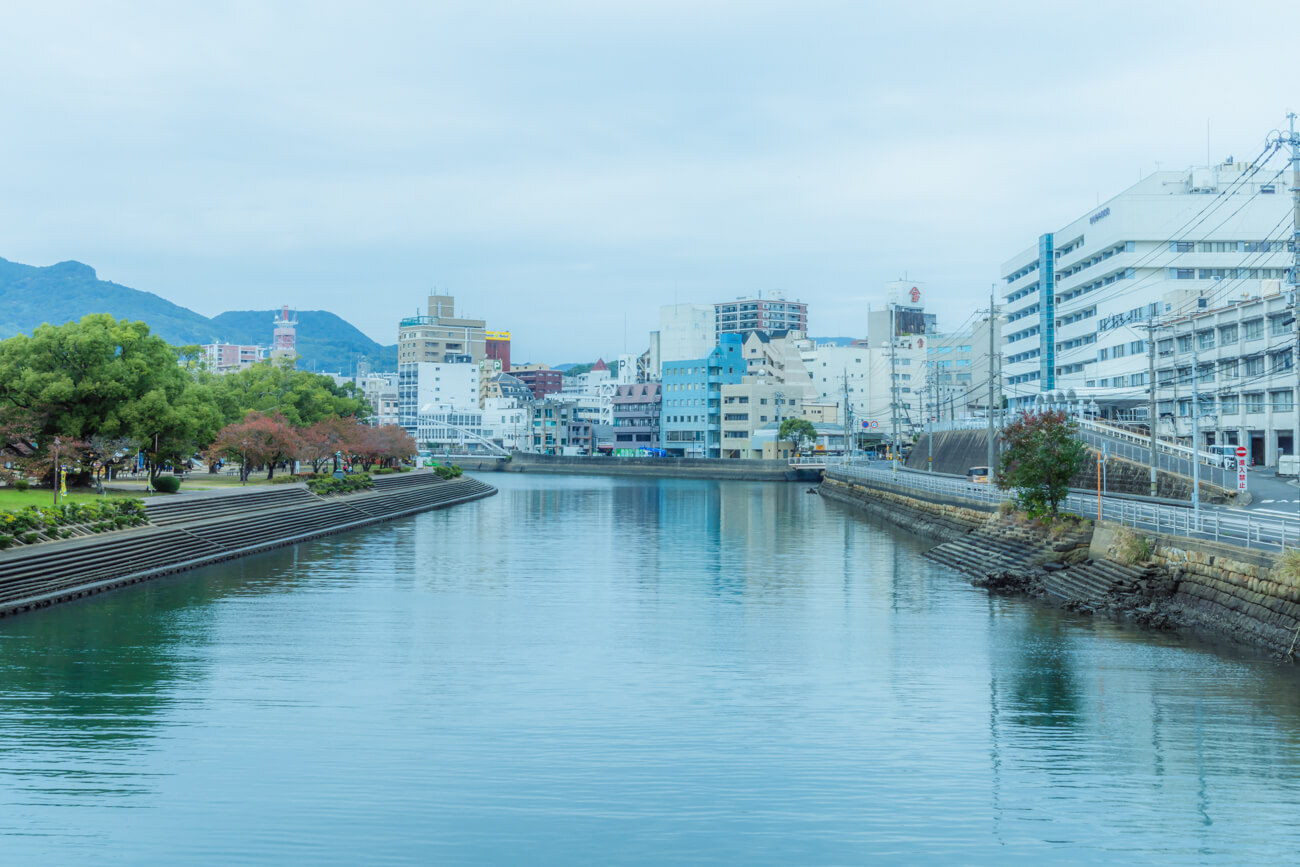
Prior to the launch of this project, Loftwork had already been conducting a research initiative with Nagasaki Prefecture. Through a project focused on creating hubs of vibrancy around food culture, the team visited Sasebo numerous times.
It was during this process that they met Daiki Nakao, who would later become the lead for this project. Although a government official, he also runs accommodations and cafés with the aim of making Sasebo—a city where diverse cultures intersect—a more enjoyable and welcoming place. His activities have gradually expanded by drawing in more people. As the Loftwork team listened to Nakao speak about the city and his aspirations for it, their own connection to Sasebo deepened.
Through these various relationships, Loftwork was invited by the Sasebo City Executive Committee to develop an exhibition project for the Nagasaki Peace Culture Festival. With plans underway in Sasebo to launch a new open call, Loftwork proposed the idea of organizing this award.
Approach
Providing “the sounds of Sasebo” to inspire creative work
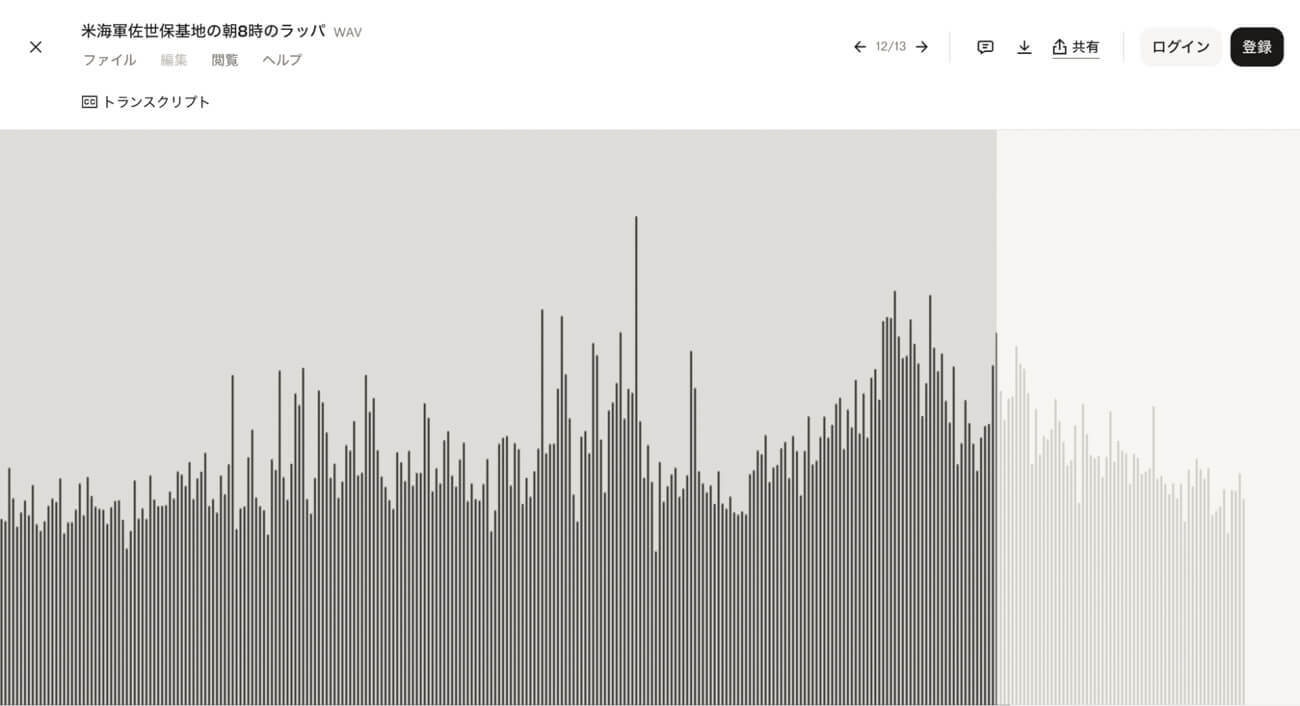
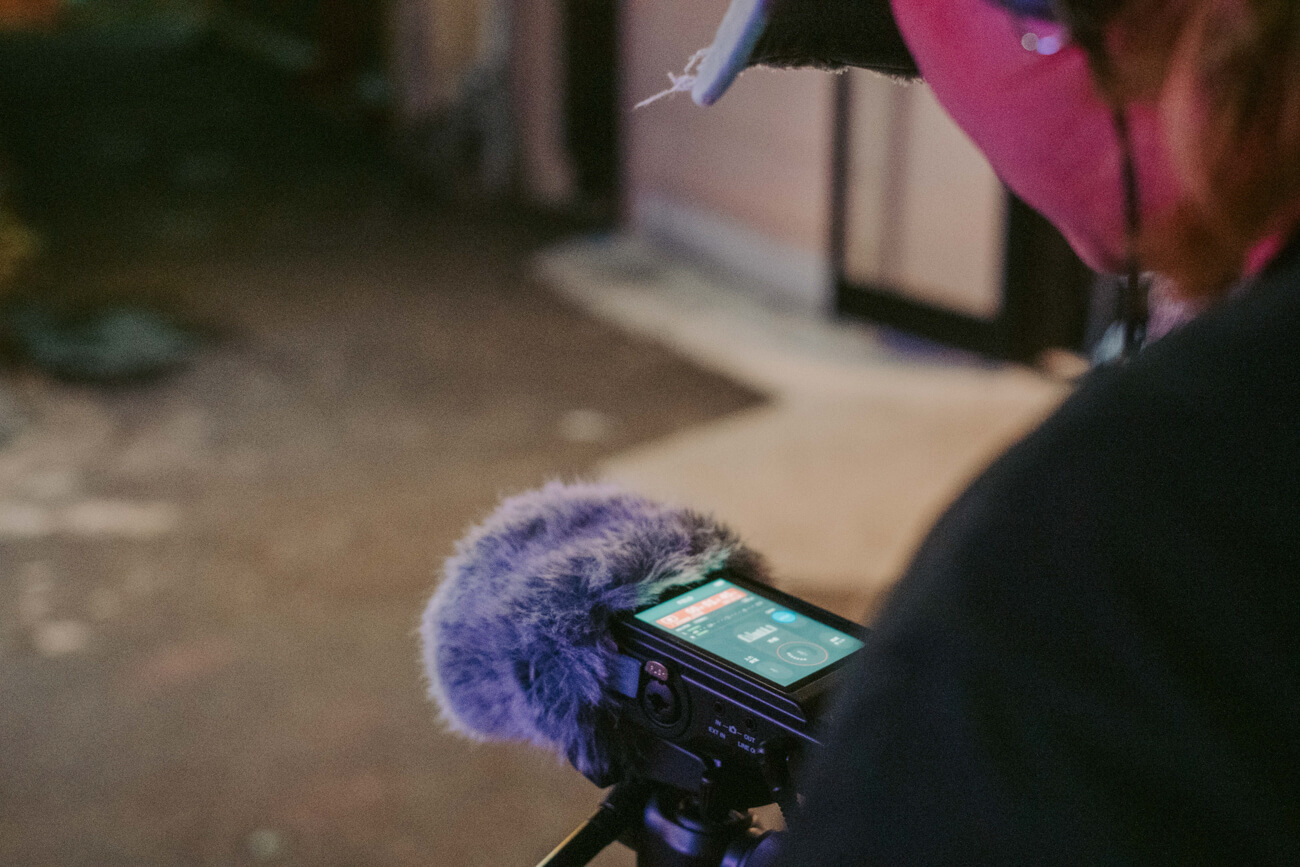
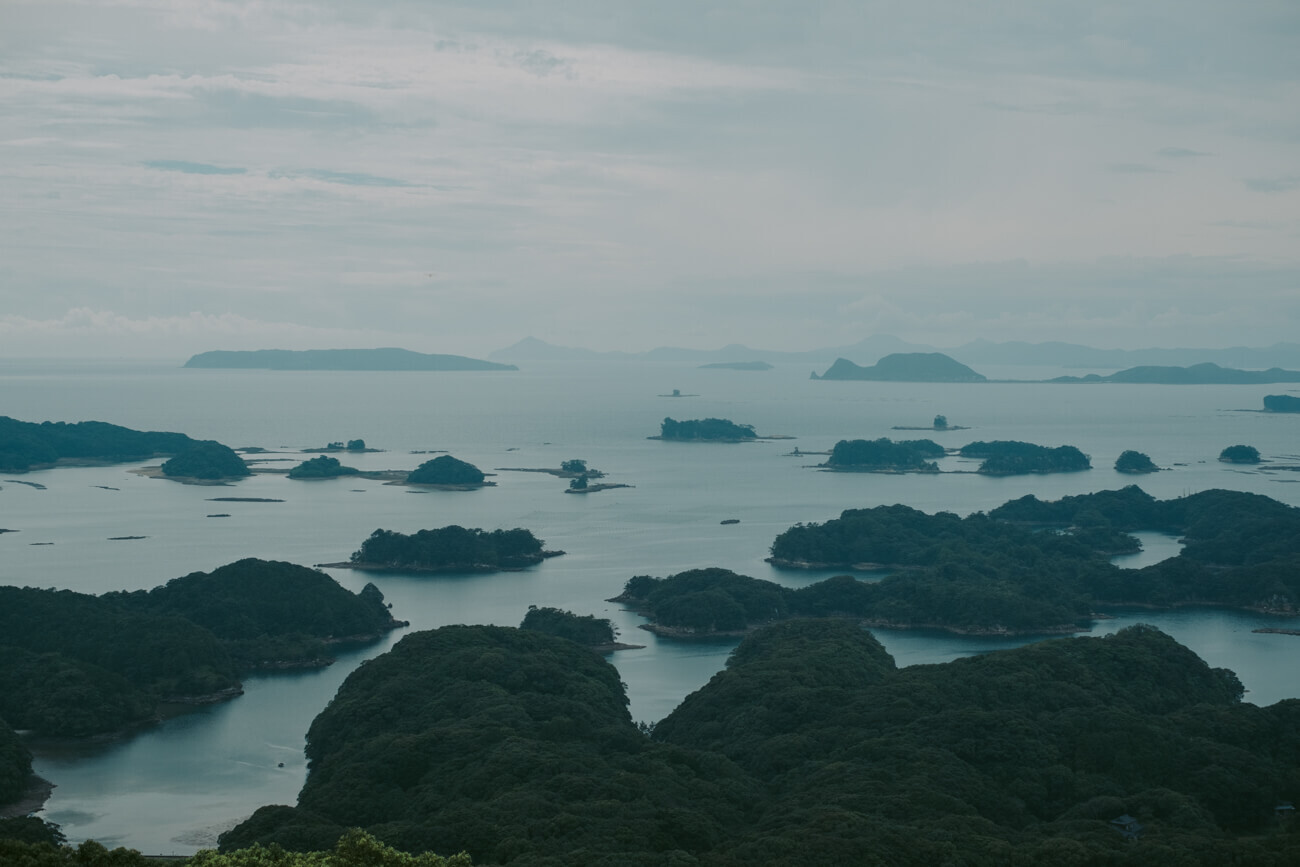
For this award, the organizers collected Sasebo’s unique “soundscapes*”—including the waves of Kujukushima, the reverberations of shipyards, and the cooking sounds of Sasebo burgers—and provided them as source material for creation.
A distinctive aspect of this initiative was that participants were not required to incorporate these sounds directly into their compositions; instead, they were positioned purely as sources of inspiration. Through these audio materials, creators across Japan were invited to form a point of connection with the city of Sasebo, freely interpret its atmosphere, and produce diverse musical expressions beyond genre boundaries—making this an experimental endeavor.
▷ View the provided sound materials here
Soundscape: A concept that understands the entire surrounding acoustic environment—including both natural and artificial sounds—as a kind of landscape. It also represents an approach to exploring the relationship between people and place through sound, and to recognizing these as forms of culture unique to a given locality.

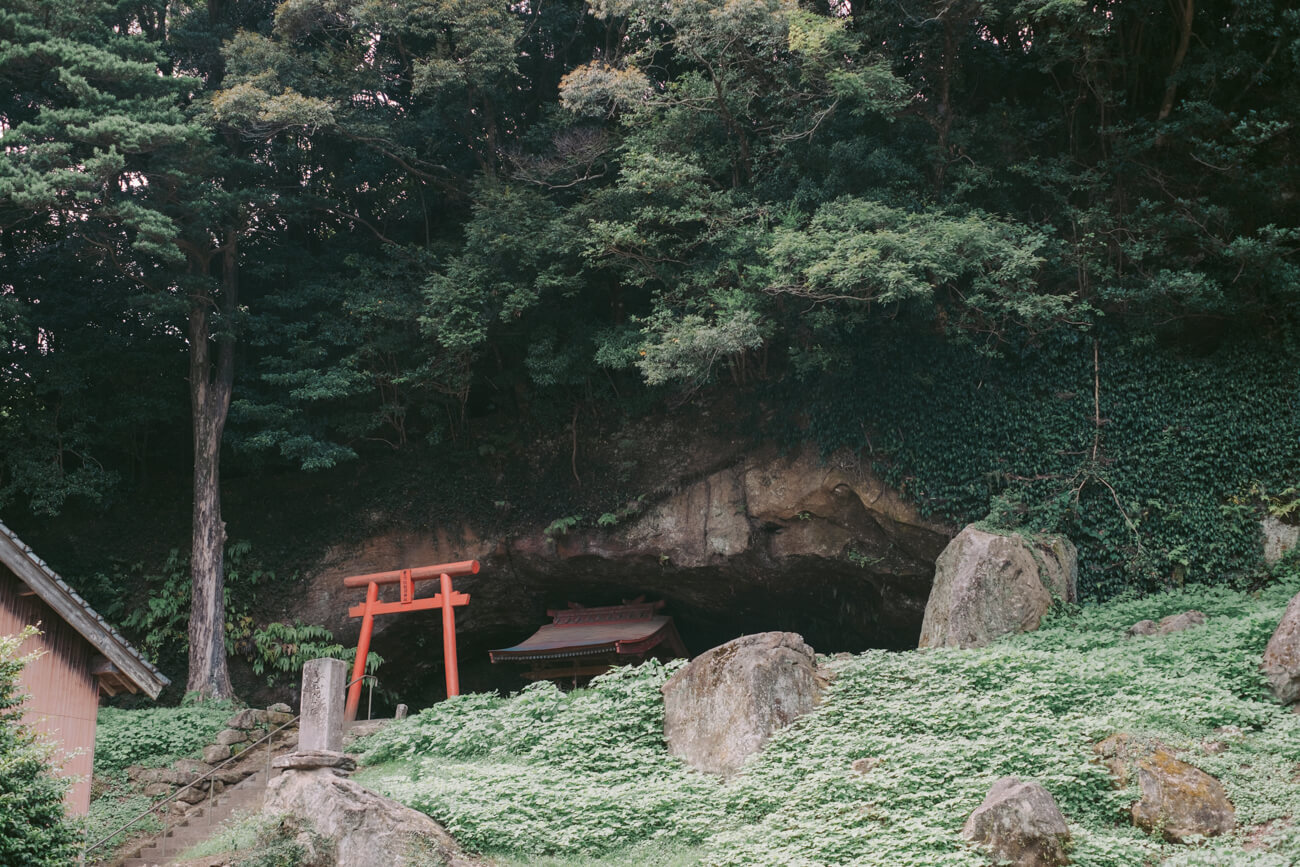
Evaluation by a panel of professionals
For the judging process, external professionals with a high level of expertise were invited to serve as jurors. Rather than evaluating works based on regional characteristics or their effectiveness as local promotion, the focus was placed on the intrinsic interest and quality of the music as artistic expression. With two renowned musicians serving as judges, the award succeeded in attracting a large number of high-quality submissions.
Shuta Hasunuma (Musician, Artist)
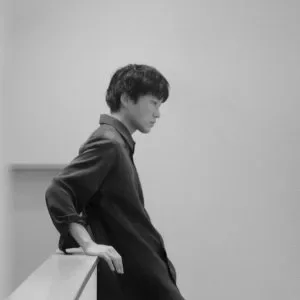
Born in Tokyo in 1983, Shuta Hasunuma is a musician and artist who leads the ensemble Shuta Hasunuma Philharmonic Orchestra, presenting performances both in Japan and internationally. His work spans a wide range of media, including film, television, theater, dance, fashion, and advertising.
Applying the methodology of “composition” beyond music, he also creates material-based works such as sculpture, video, installations, performances, and interdisciplinary projects.
His latest album is unpeople (2023). At the opening ceremony of the Tokyo 2020 Paralympics, he led the Para Orchestra, arranged the Paralympic anthem, and was responsible for the lyrics, composition, and conducting of the piece “Ikiru.”
Recent concerts and performances include unpeople Premiere (Sogetsu Plaza Stone Garden “Heaven,” 2024) and Music Today (Tokyo Opera City Concert Hall: Takemitsu Memorial, 2023).
Major solo exhibitions include Compositions (Pioneer Works, New York, 2018) and ~ing (Shiseido Gallery, Tokyo, 2018). Recent projects and group exhibitions include Someone’s public and private / Something’s public and private (Tompkins Square Park, New York, 2019) and FACES (SCAI PIRAMIDE, Tokyo, 2021).
He is a recipient of the 69th Minister of Education, Culture, Sports, Science and Technology’s Art Encouragement Prize for New Artists.
(Photo by Nathalie Cantacuzin)
Kuniyuki Takahashi (Musician, Sound Designer, Performer)
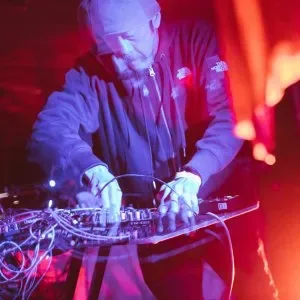
Based in Sapporo, Kuniyuki Takahashi is a musician known for his distinctive sonic world that transcends national boundaries. He has released numerous albums and produced remixes for artists around the globe, earning high acclaim from producers and DJs alike.
He actively performs live both in Japan and internationally—including in Europe, South Africa, Brazil, Mexico, Australia, and the United States—developing a unique style that blends improvisation with dance music. In recent years, he has collaborated in session performances with artists across genres such as Tobias., Satoshi Tomiie, Floating Points, Henrik Schwarz, and Mark de Clive-Lowe.
In Japan, he has co-produced music for Sakanaction and contributed percussion to the track “electricity” by Hikaru Utada. More recently, he has composed theme music for the documentary series NHK Special and created a soundscape installation beneath the Grand Roof Ring at the Expo 2025 Osaka, continuing to expand the scope of his work.
In addition, a retrospective article on the award featuring commentary from the two judges was produced. It was published in Sasebo PORT-folio: Waltz at the Western Edge (March 2026), issued by the Sasebo City Executive Committee for the Nagasaki Peace Culture Festival 2025. Excerpts of their impressions of the submitted works are presented below.
Shuta Hasunuma
“In terms of the technical craft of music-making, there were many works of remarkably high overall quality. Among them, however, it wasn’t simply about technical proficiency—we looked closely at why the artists chose to use sounds from Sasebo, how those choices formed a concept, and how the composer’s emotions were embedded within the work.
Music often tends to be grouped into genres or carry a certain ‘typicality,’ but the pieces submitted here resisted that—they were distinctive and richly expressive. It seems that the shared framework of using Sasebo’s sounds functioned almost like a rule, creating an experiential process in which each composer aligned their own ‘emotions’ with ‘sound.’ Perhaps that process is what ultimately brought out such strong individuality in the works.”
—Excerpt from the Sasebo Sound Chronicle Award interview
Kuniyuki Takahashi
All of the works were musically outstanding, each carrying complex emotions toward sound and demonstrating a strong sense of imagination. In that sense, the more deeply you engaged with each piece, the more meaning you could find within it. It also challenged us, as listeners, to reflect on our own attitude toward ‘listening’ to what the artists had created.
Inevitably, my own way of listening is shaped by the rhythms of my daily life, but I made a conscious effort to encounter the different expressions of each piece by changing the time and place in which I listened.
—Excerpt from the Sasebo Sound Chronicle Award interview
Output
Fifty works were submitted.
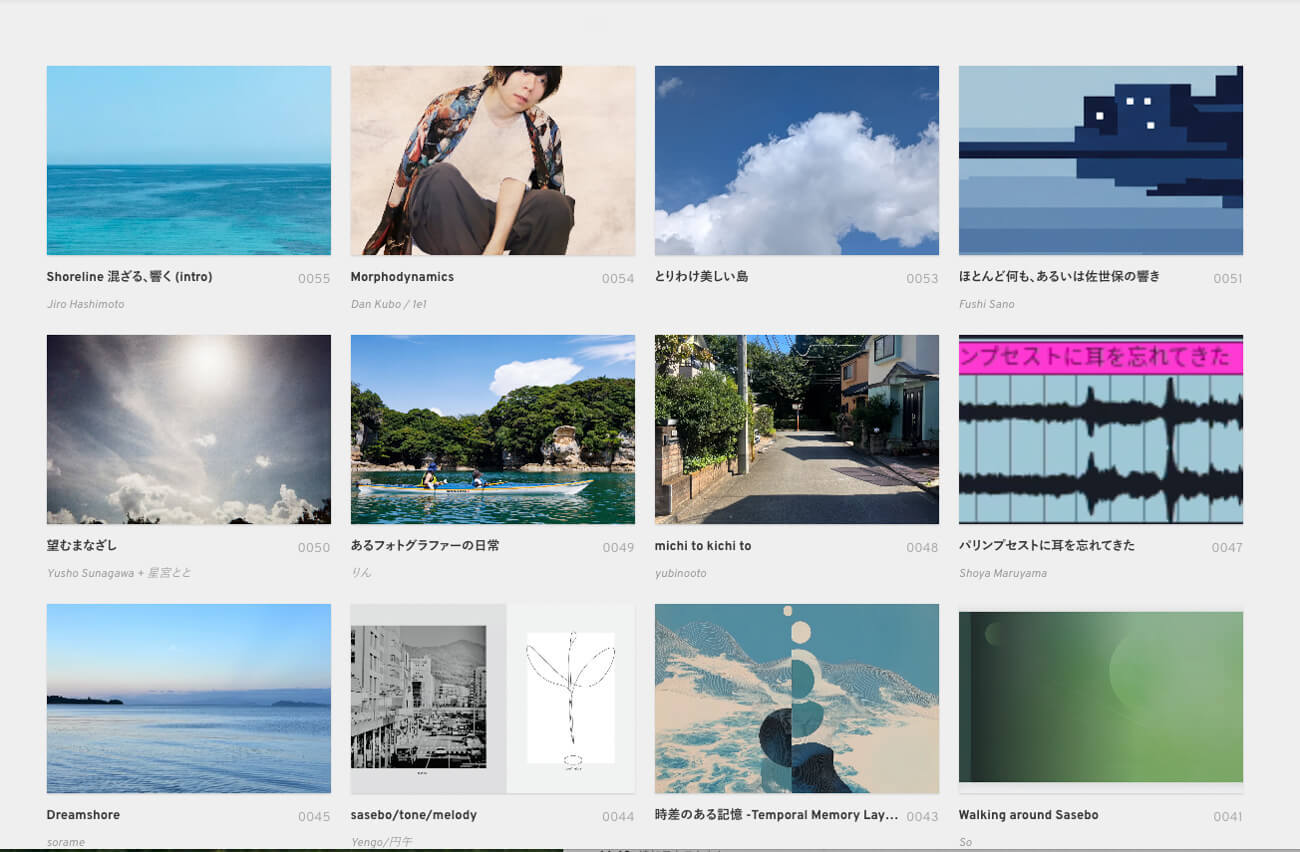
A total of 50 works were submitted for this award. The entries are featured on the “Sasebo Sound Chronicle Award” website, where links to the tracks uploaded by each creator are provided.
In addition, captions outlining the concepts—required as part of the application—are included. These allow viewers to trace each creator’s thoughts on the field-recorded sounds from Sasebo and how they translated those impressions into music.
No.14 Where the Sound Resonates — Ai Kakihira
Application URL: https://awrd.com/creatives/detail/17193876
The sounds of Styrofoam, vinyl, and cardboard, along with the distant calls of birds—amid them, fragments of conversation begin to emerge.
Within these naturally arising rhythms and voices of everyday life, I found myself drawn to unintentional, uncrafted sound.
To blend into that world, I felt it was necessary to incorporate the rhythm of the sea—something that likely accompanies their daily lives. I began by creating a rhythmic foundation using the sound of waves at Shirahama Beach, then layered synthesizer tones that ripple like the surface of water.
As I created sounds resembling environmental noise and continued layering them in response, I sensed the boundary between reality and composition gradually dissolving.
Yet, the moment something is made, intention inevitably becomes inseparable. To create a sense of distance, I recorded the completed piece onto a tape recorder, choosing to frame it as a deliberate work—like a scene captured in a film.
Engineered, Mixed & Mastered at Soft Bias studio by bisshi
No.12 the common chorus il
Application URL: https://awrd.com/creatives/detail/17191713
Sasebo is a city whose very form reflects a history of engagement with diverse cultures. In attempting to express this uniqueness through music, the sustained feedback produced by delay effects offered an important clue. As sounds are stretched and gradually abstracted through feedback, they create a sensation in which different temporal layers coexist within a single piece of music. At the same time, these abstracted sounds begin to function as a kind of background to the main phrase. The aim was to translate such feedback-generated soundscapes into a metaphor for the historical and cultural depth of Sasebo.
No.1 Chaos — Koji Itoyama
Application URL: https://awrd.com/creatives/detail/17148975
Sasebo is a city where everything blends together—run-down areas and modern spaces, different races and food cultures all mixed. This piece expresses that sense of decay alongside a chaotic worldview.
Within the source materials, a faint pad-like sound embedded in the “shipyard working noise” resonates at C#. Even on its own, it felt like a complete element, but in shaping it into a full work, additional sounds were layered to evolve it into a kind of soundtrack for Sasebo.
Specifically, the composition was designed to gradually pull the listener’s perspective away from the shipyard, as if rising up to overlook the entire city from the hills of Sasebo.
Please listen as though you were a drone, floating through the air.
An immersive music exhibition of open-call works in a venue that evokes the sea
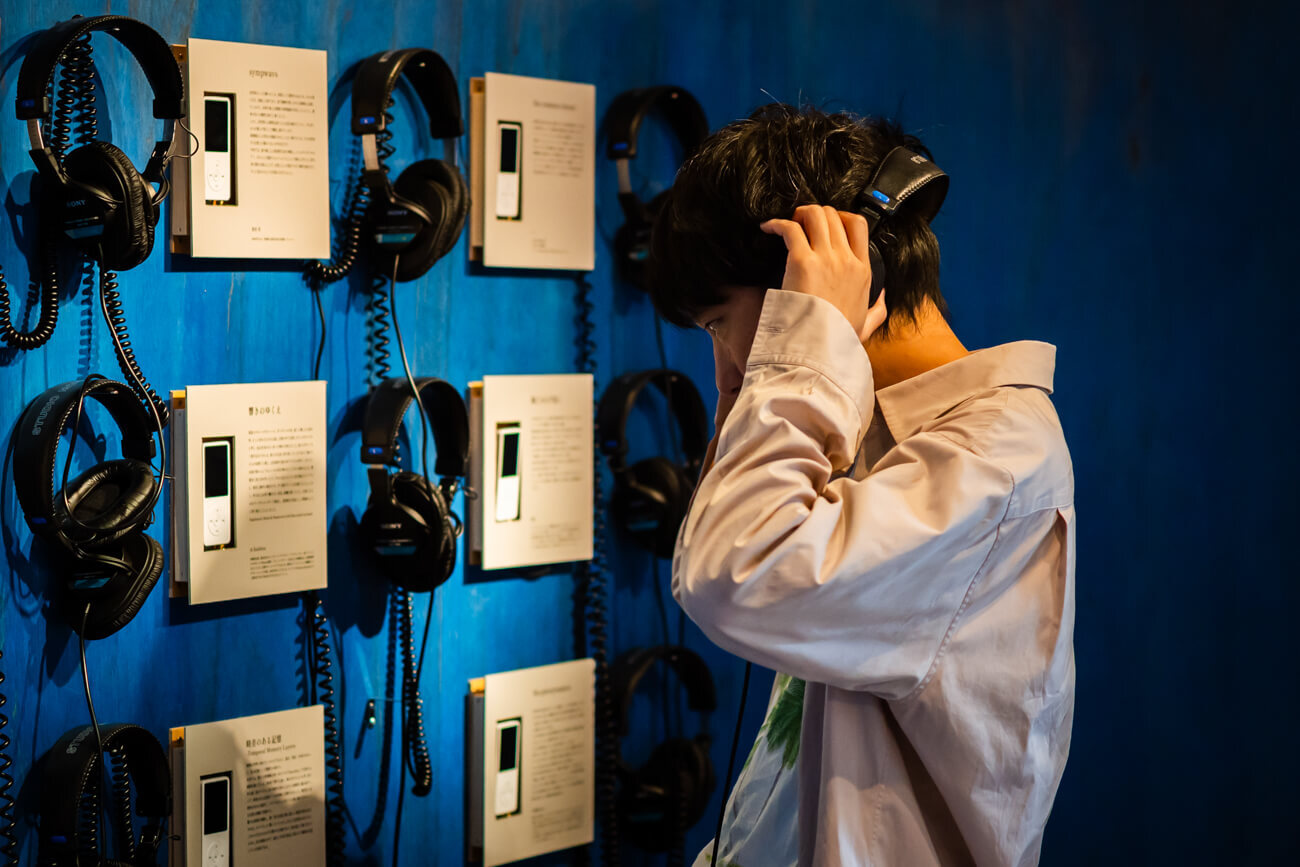
The nine finalist works were exhibited in a special exhibition at the Sasebo City Museum Shimanose Art Center (“Shimabi”) in Sasebo, Nagasaki. The venue featured deep blue, wood-textured walls evoking the sea, along which nine listening stations were arranged for each finalist work. The space was designed to allow visitors to immerse themselves in their own world and engage closely with the music.
One of the aims of this award and exhibition was also to introduce a new form of exhibition expression to Shimabi. While the venue had traditionally focused on visual displays, incorporating “sound” as a medium—open to diverse interpretations—sought to further transform Shimabi into a space more accessible and connected to the local community.
The Grand Prix winner was given the opportunity to perform their work on-site.
Among the 50 submitted works, the Grand Prix was awarded to Where the Sound Resonates by Ai Kakihira, an artist from Nagasaki Prefecture. The piece was recognized for its unique approach—embodying the award’s theme, “Shoreline: Blending, Resonating,” through the very process of composition itself—as well as for its high quality as a work of musical expression.
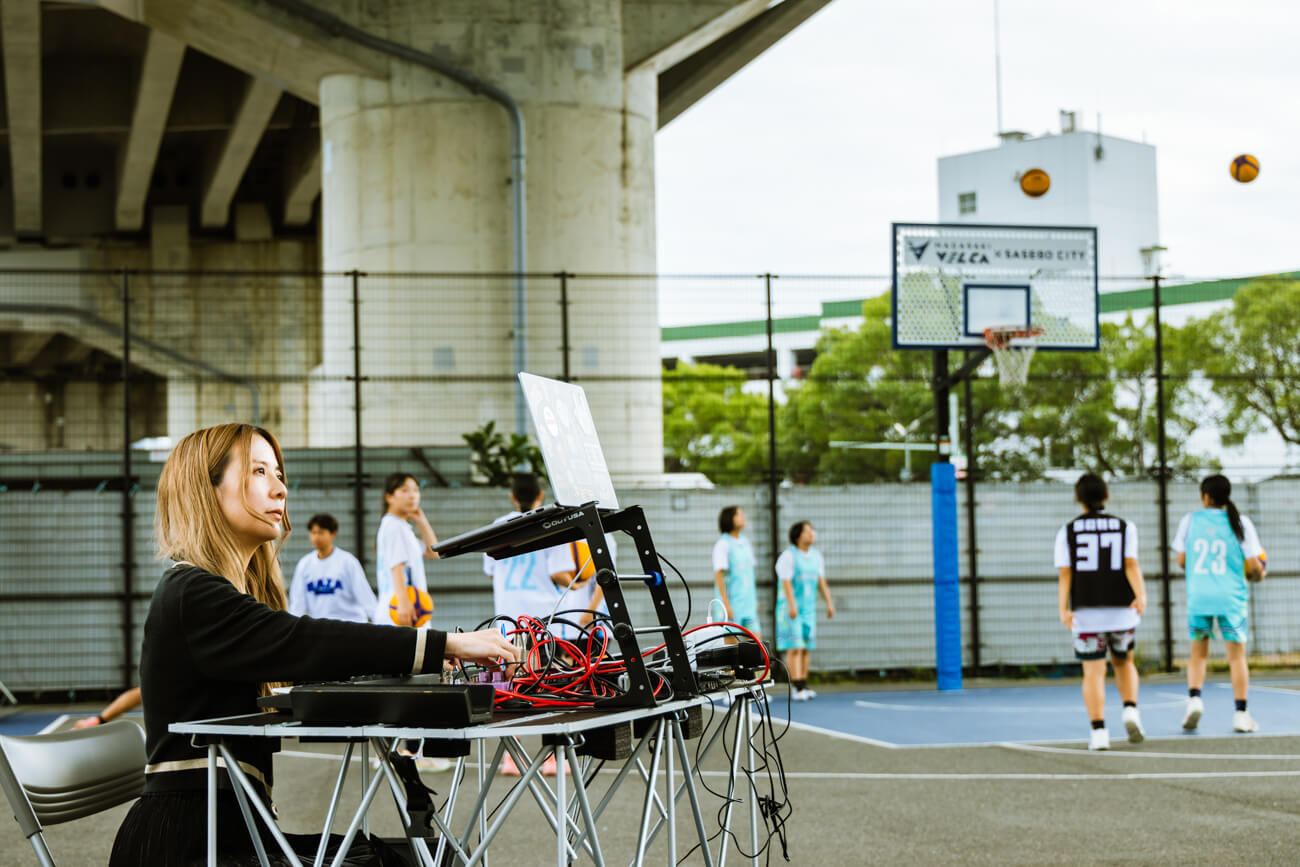
The greatest privilege awarded to the Grand Prix winner was the opportunity to present a live performance of their work in a way that “returns it to the city.” Sounds originally field-recorded in Sasebo were transformed into a musical piece, and through its performance, gave rise to a new layer of the city’s landscape. The live stage was envisioned as a moment where such a cycle could come to life.
The venue was a symbolic location where Japanese and American spaces intersect—adjacent to a skateboard park and 3-on-3 basketball court (Sasebo Park), next to the area known as “Minutes Park,” a hub for street culture. On the day of the event, a 3-on-3 basketball tournament was taking place, and the performance unfolded alongside the energy of street sports. It became a unique moment in which a work born from “the sounds of Sasebo,” as interpreted by the artist, resonated within the city’s everyday life.
At the award ceremony, Ai Kakihira reflected on the creation process with the following comment:
It has always been my dream to connect, through music, with Nagasaki—the place where I was born and raised, and where a sense of peace lives within everyday life. Receiving this award will be a great source of support for my future musical activities.
I will carry with me the invaluable words I received from the judges, Shuta Hasunuma and Kuniyuki Takahashi, and continue to pursue the world of sound.
—Excerpt from the Grand Prix winner Ai Kakihira’s acceptance speech
Outcome
A question posed to “Sasebo today,” expressed through music
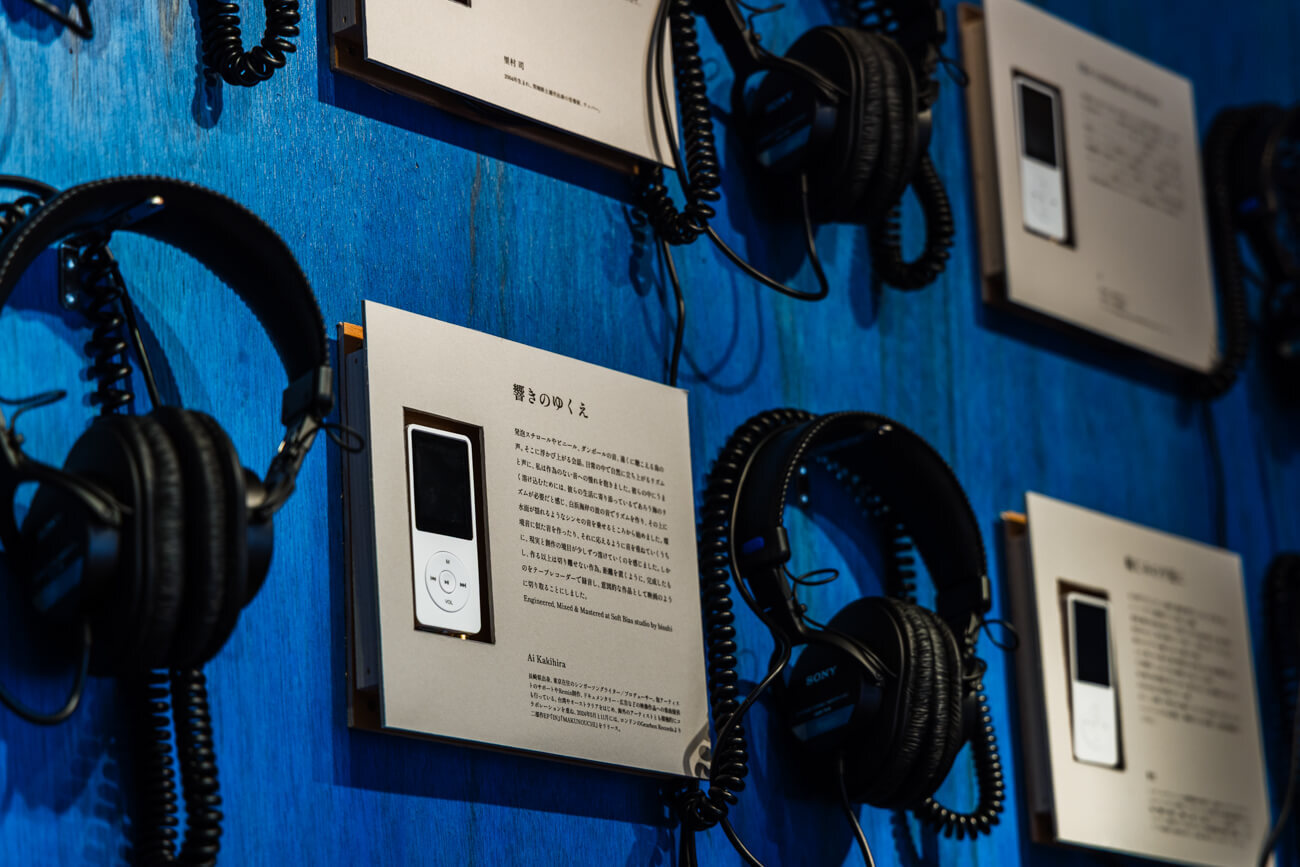
Through the many works submitted to this award, a new vision of “Sasebo today” was expressed through music. By challenging entirely new approaches—rather than simply tracing the city’s history or expressing inward-looking sensibilities—the project gave rise to works that extend beyond Sasebo itself. Each piece, in its own way, poses the question: what defines Sasebo in the present moment?
Following the exhibition in Nagasaki, the works were also shown in Tokyo, pointing toward future developments in which the exhibition continues to travel and evolve across different locations.
A question emerging from the open call: “How does regional identity manifest in sound?”
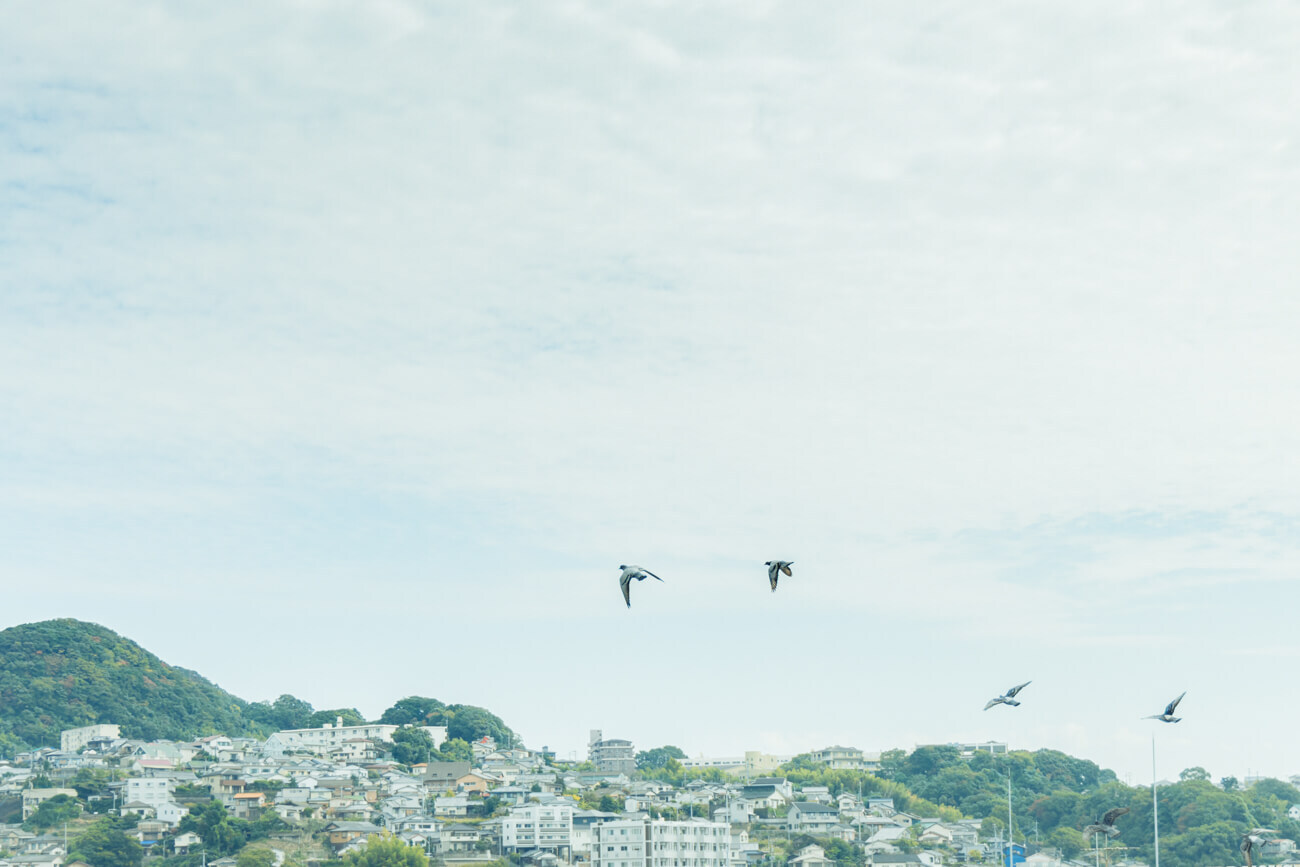
In this project, the attempt to “depict Sasebo through music” resulted in works that did not remain confined to Sasebo, but began to resonate and spread beyond the region. While the team felt a strong sense that a meaningful award had been realized in Sasebo, it also gave rise to a new question about regional music awards themselves.
That question is: “How does regional identity manifest in sound and music?” Looking ahead, the project team shares an intention to conduct similar awards in other regions in order to further explore and examine this question.
Credit
Project Information
Client: Sasebo City Executive Committee for the Nagasaki Peace Culture Festival 2025
Project period: July–December 2025
Credit
Structure
Producer: Satoshi Muro
Project Design: Shuzo Teramoto
Project Manager / Creative Director: Wataru Murakami
Creative Directors: Rin Amano, Makoto Ishii
(Loftwork Inc.)
Partners
Sasebo Sound Chronicle Award
Jury: Shuta Hasunuma, Kuniyuki Takahashi
Field Recording: Shoya Maruyama (Loftwork)
Sound Design Support: Kazuhei Tamada (ei-sei)
Award Key Visual Production: Takaharu Yoshimura / ASHITAKA DESIGN
Award Key Visual Photography: Osamu Matsuo
Nagasaki Peace Culture Festival 2025 Special Exhibition
The Waltz at the Western Edge
Sasebo Peace Exhibition – A Journey Through Time, Tracing the Sea
Concept Design / Exhibition Structure: Keisuke Saeki (Hoshinotori Tsushinsha LLC)
Spatial Design: Hidefumi Terada (tamari architects)
Exhibition Art Direction: Ryoko Nagaoka (Nagaoka Design)
Exhibition Space & Fixture Production: Ide Construction Co., Ltd., Studio Aqua Ltd., Koga Advertising Art Co., Ltd.
Photo Documentation: Koichiro Fujimoto
Related projects
Like projects introduced here, AWRD provides many platforms for co-creation where companies and regions can bring their technologies and ideas into society.
We invite you to explore similar initiatives and learn more about how AWRD services can be utilized.
View other co-creation and new business project case studies
Browse the full list of AWRD case studies
How co-creation and design can be leveraged with AWRD
Learn more about AWRD services and use cases
AWRD is an open call platform for co-creation where companies, local governments, and creators collaborate on diverse themes.
By inviting projects and talent from around the world, it enables initiatives in business development, community co-creation, and startup support through open innovation.
From project design to operational support, AWRD accompanies initiatives every step of the way, fostering co-creation that opens up value to society.