THEME OWNER
Mariko KIHIRA・Hirohisa SAITO
Mariko KIHIRA
Message
Many of us are familiar with the vegetables displayed in supermarkets, yet few know the smell and texture of the soil they were grown in, or the hands of the people who cultivated them. Firewood once had to be gathered and cut to become energy; water was drawn directly from nearby rivers before it flowed from a tap. Food, energy, information—more and more, the processes through which they reach us have become invisible.
At the same time, we increasingly hear words such as “tactility” and “embodiment.” Yet these concepts are not limited to physical touch. When we visit a field site and speak directly with people, we absorb the atmosphere of a place—the smells, sounds, hesitations, and silences—into our bodies. We experience something similar when handling instruments in a laboratory or working with materials in a studio. These, too, are forms of touching.
We seek to make visible what has become invisible. At the same time, we value the small hesitations, resistances, and subtle misalignments that arise when we question the impulse to make everything visible, understandable, and efficient.
We invite submissions of activities, research, and creative works inspired by worlds you have come to know through touch. Through these projects, we hope that the experiences and sensibilities they embody will reach both those of us who are becoming increasingly disconnected from touch and the audiences who encounter and engage with the works.
Profile

Mariko KIHIRA
After working for a chemical manufacturer and as an agricultural writer, Mariko Kihira completed her Ph.D. in Environmental Studies at the Graduate School of Environmental Studies, Nagoya University, in 2025. She currently serves as an Assistant Professor in the Department of Social and Human Environment within the same graduate school.
Her research specializes in Environmental Sociology and Science and Technology Studies (STS). Focusing on agriculture, fisheries, and environmental issues, she examines the gaps and frictions that emerge among people, technologies, nature, and institutions. Her work includes the development and application of methodologies such as Visual Problem Appraisal, which utilizes video and simulation games, and m-PULSP, a method for understanding collaborative processes.
Her publications include contributions to The Encyclopedia of Potatoes (Rural Culture Association Japan, 2023). A book based on her doctoral dissertation, Designing Collaboration in Chaos: Technology Development for Sustainable Agriculture, is scheduled for publication by Showado in autumn 2026.
Selected Research Projects
Application and Practice of Visual Problem Appraisal (VPA)
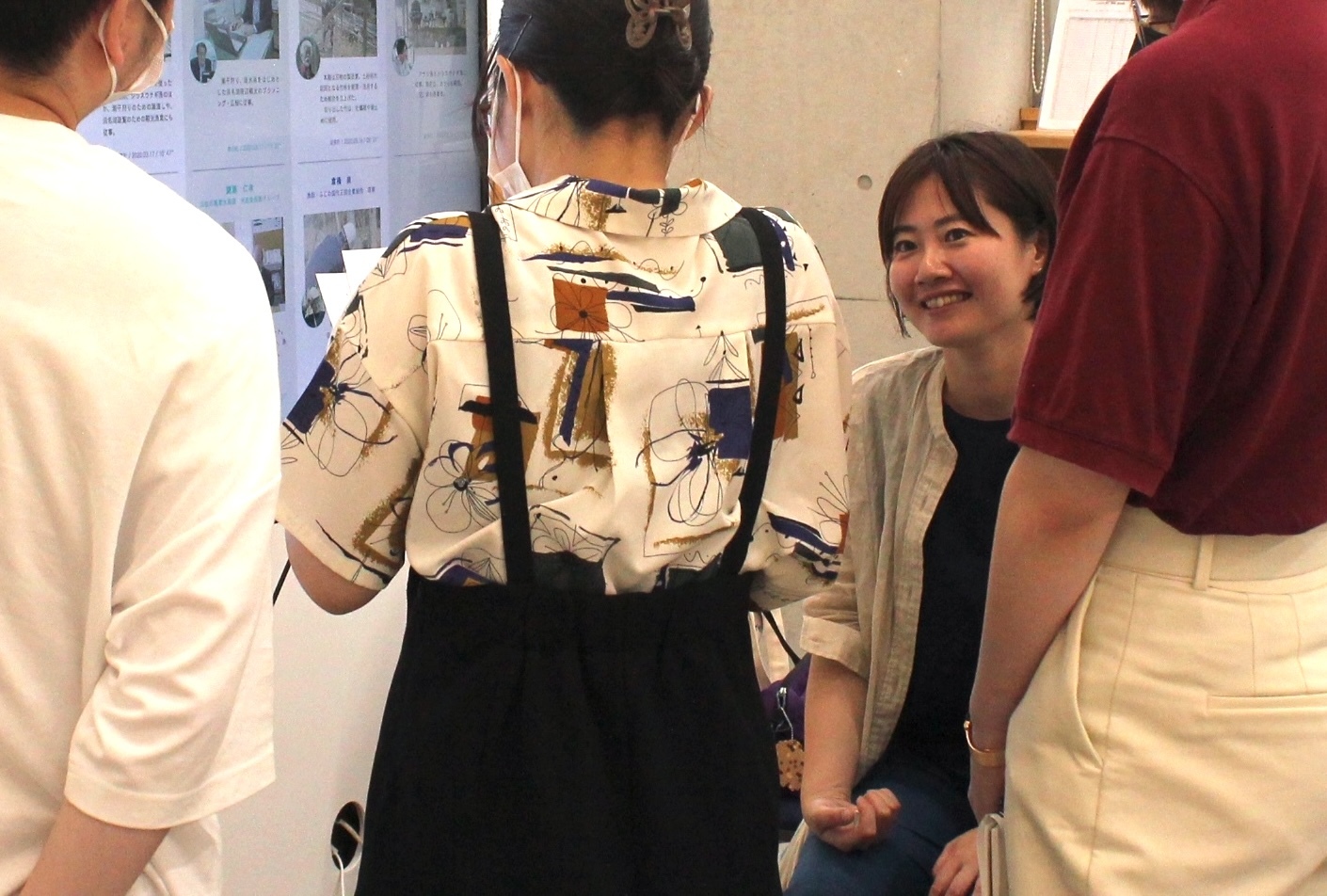
So-called “wicked problems” are issues whose causes are difficult to isolate, whose boundaries cross disciplinary fields, and for which no single solution exists. To address such challenges, Kihira applied Visual Problem Appraisal (VPA), a methodology combining video and simulation games. Using the decline of clam populations in Lake Hamana as a case study, she developed a participatory tool and conducted workshops that enabled participants to engage with diverse stakeholder perspectives through video-based interviews. The project demonstrated that even when viewing the same footage, experts from different disciplines interpret problems differently. The findings suggest that VPA can help reveal hidden framings across disciplinary boundaries and support more nuanced understandings of complex issues.
Development of m-PULSP (Multi-stakeholder Participatory Understanding, Learning, and Sustainability Platform)
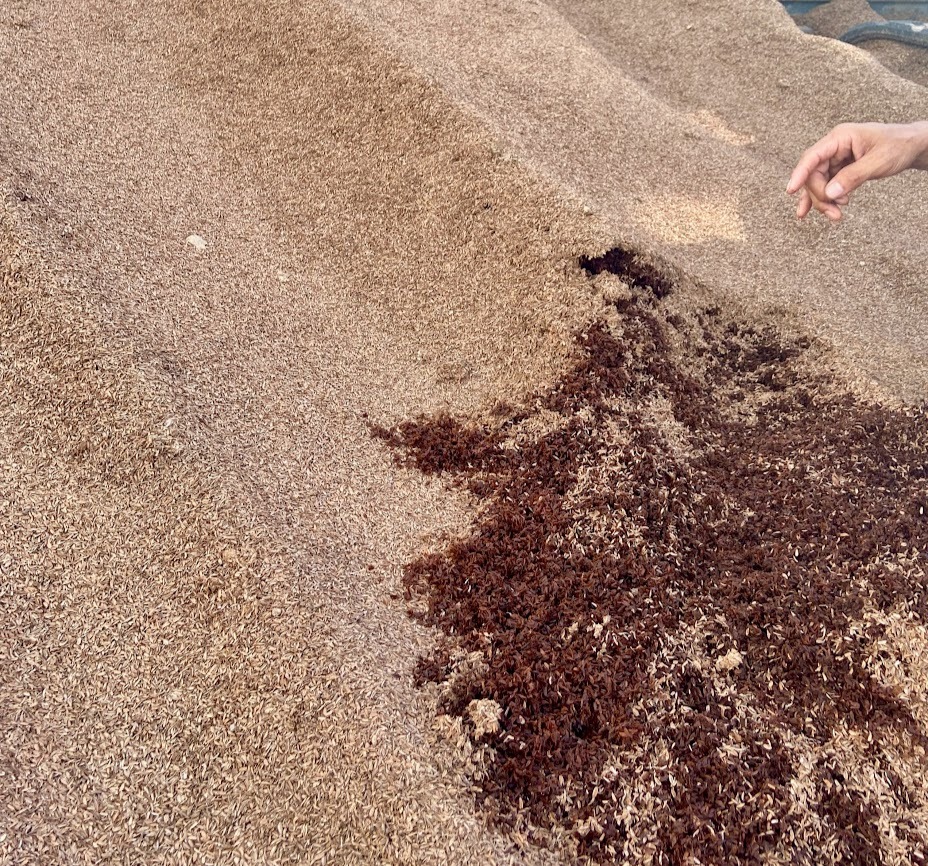
Technological innovation for sustainable agriculture and environmental management often requires collaboration among farmers, researchers, government agencies, and private companies. Focusing on a consortium developing biological soil diagnostic technologies, Kihira employed a mixed-method approach combining narrative analysis and co-occurrence network analysis to identify differences in how stakeholders understood technological maturity, uncertainty, and project goals. Building on these findings, she developed m-PULSP, a framework for visualizing and monitoring collaborative dynamics in real time. The methodology has since been applied to additional cases, including projects involving advanced biochar technologies, demonstrating its broader effectiveness.
Hirohisa SAITO
Message
The phrase in TOUCH evokes many images for me. One of them is a baby in the womb.
Touch is the first sense to develop in human beings. It is through touch that we first encounter the world.
Imagine yourself standing on the GREEN TERRACE at ComoNe—or simply imagine what it might feel like to be there.
What do you see? What do you hear? What kind of world unfolds around you?
Who, what, and which places are you connected to within that world? How are you connected?
What sensations, emotions, hopes, wishes, or prayers emerge through those connections?
And if there is a part of the world that remains beyond your reach today, would you want to go there?
Why? And how?
The theme of this ComoNe program is an invitation to experiment with one of the most fundamental ways we engage with the world: touch. Not only as a physical act, but as a way of sensing, relating, and knowing.
I am excited to see the experiments, inquiries, and creative proposals that will emerge from your own encounters with the world.
Profile
Hirohisa SAITO
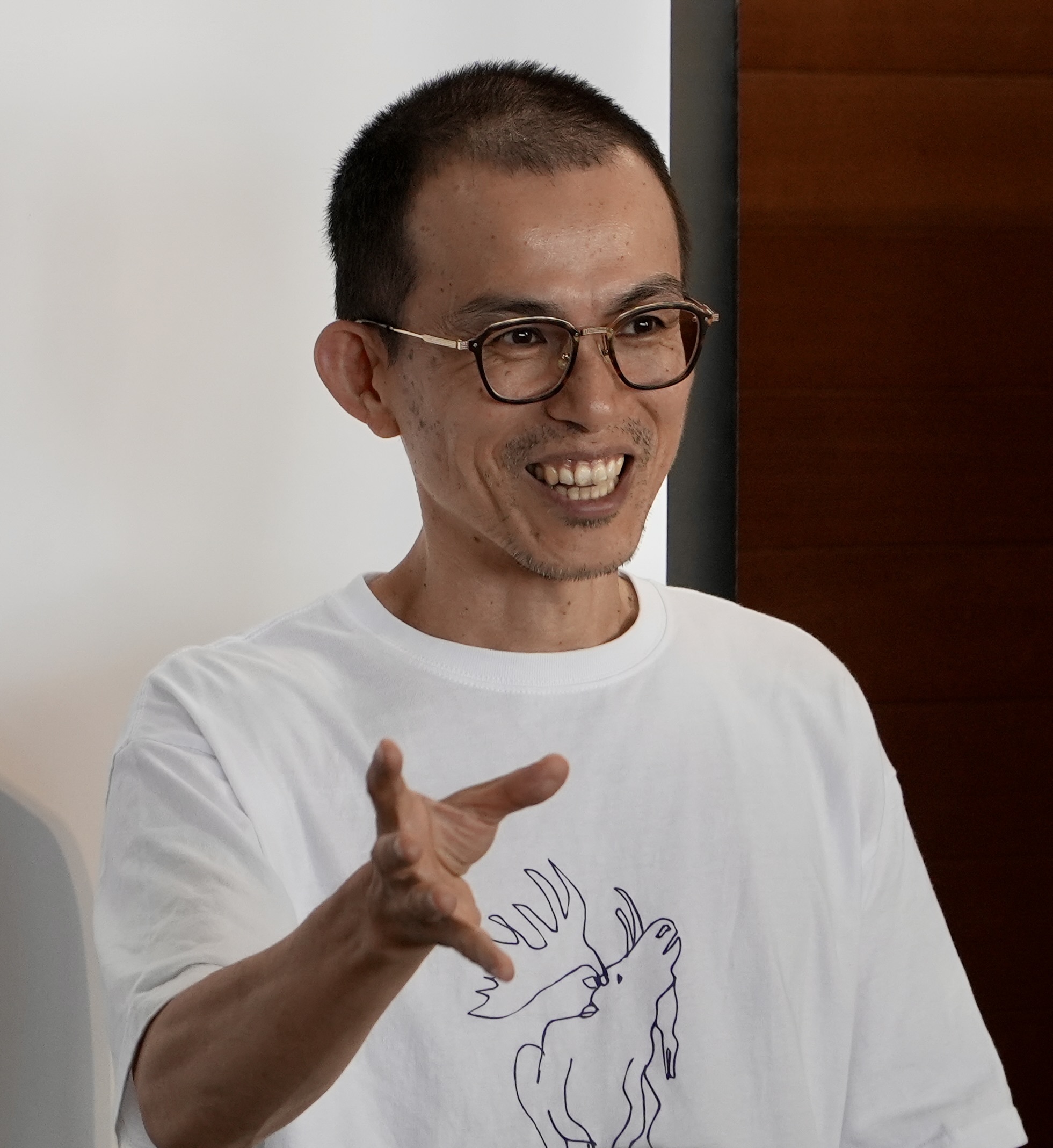
Hirohisa Saito is Professor at the Future Society Studio of the Institute of Innovation for Future Society, Nagoya University, and Professor in the Faculty of Co-Creation at Co-Innovation University (CoIU). After spending more than two decades living abroad, he joined the founding of CoIU and relocated with his family to Hida, Gifu Prefecture, in 2022.
A sociologist specializing in Science and Technology Studies (STS), he explores how universities can foster innovations that enhance societal well-being. His work combines mindfulness and design thinking to investigate new forms of learning, collaboration, and social transformation.
One of his favorite activities is meditating on the GREEN TERRACE at ComoNe, where he enjoys the gentle breeze, birdsong, sunlight, and the feel of soil and grass beneath him.
Selected Research Projects
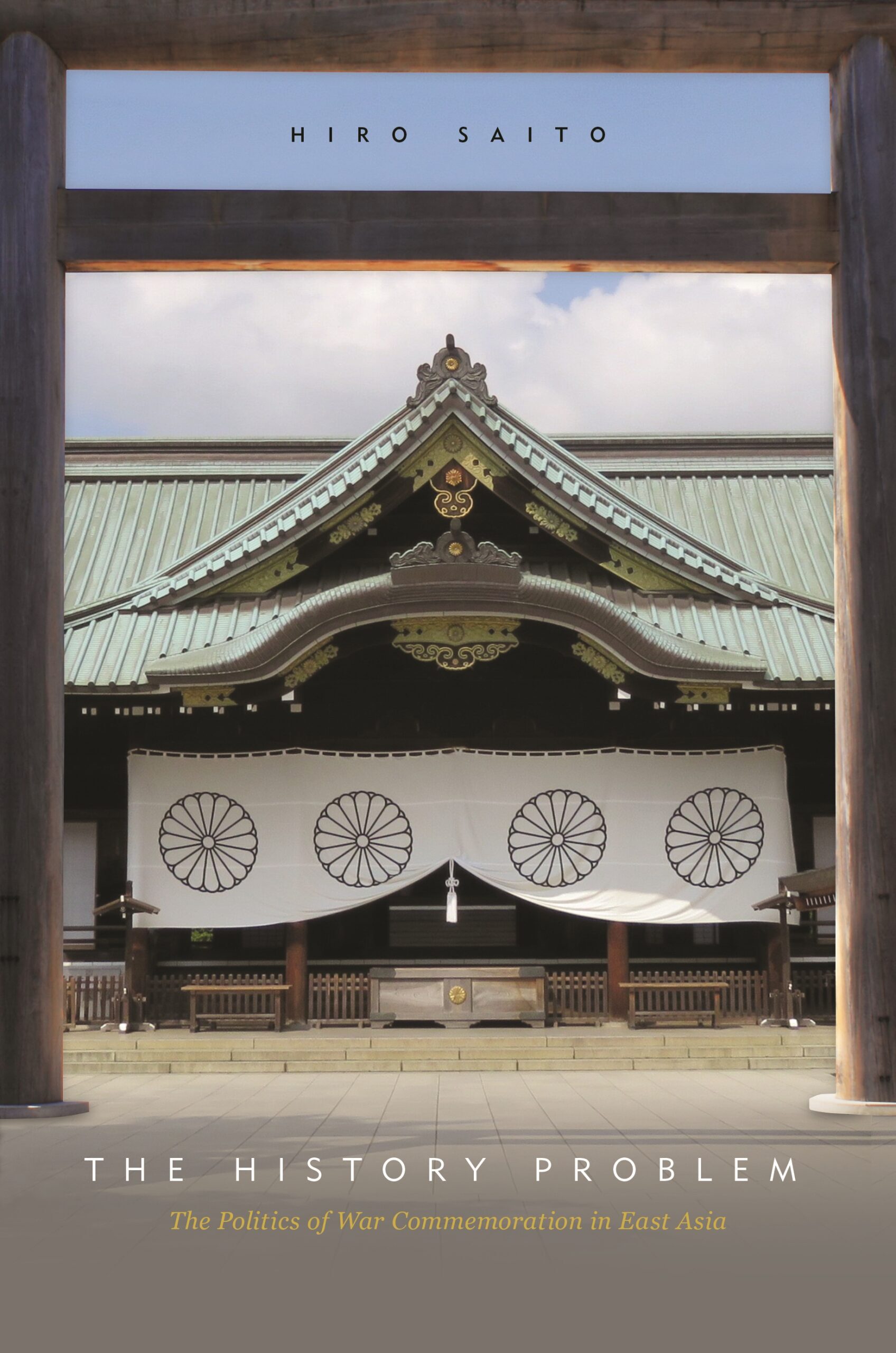
Remembering War, Imagining Peace
As a graduate student, Saito became interested in historical memory issues in East Asia. Drawing on history, political science, and sociology, he examined how emotional memories, identity, social movements, domestic politics, and international relations become entangled in ways that hinder dialogue and reconciliation. His research explored the conditions necessary for future-oriented dialogue and reconciliation, resulting in numerous academic publications as well as the book The History Problem: The Politics of War Commemoration (University of Hawai‘i Press).
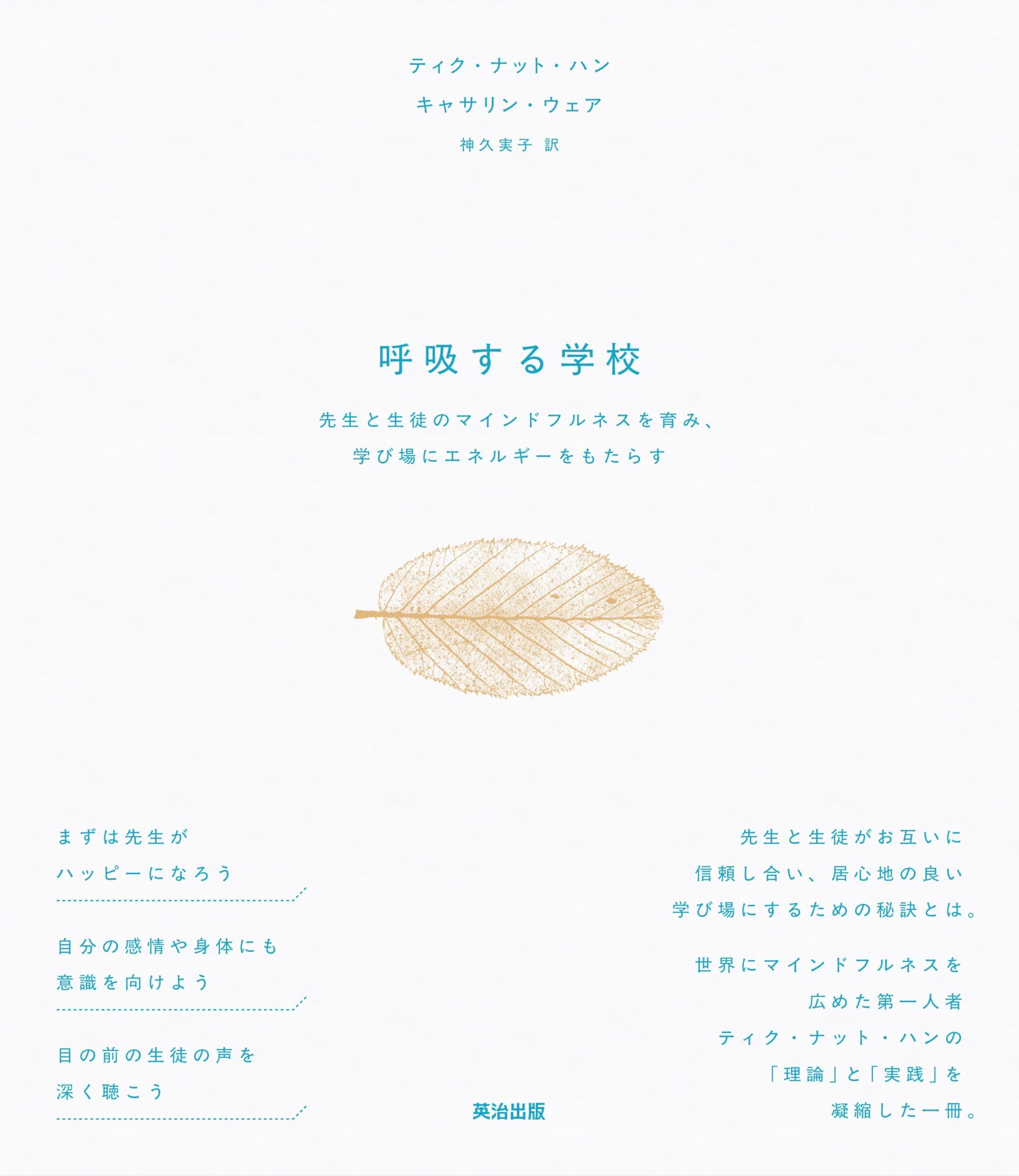
Inner Transformation and Social Change
Through his own contemplative practice, Saito has explored how mindfulness can foster metacognition and well-being. Together with colleagues at Singapore Management University, he conducted educational interventions incorporating mindfulness practices. Since returning to Japan, he has integrated contemplative approaches into teaching and learning at institutions including the University of Tokyo, Nagoya University, and Co-Innovation University (CoIU). He also contributed to the Japanese translation of The Mindful School: Transforming School Culture Through Mindfulness and Compassion (Eiji Press), a book that explores how mindfulness can nurture both educators and students while revitalizing learning environments.
