Loftwork views open calls and awards as a co-creation method that connects organizations with external stakeholders to generate value. By providing end-to-end support from design to operation, we have driven projects that enhance both the quantity and quality of submissions and lead to the achievement of their goals.
How do you get started with an open call or award?
In recent years, as companies increasingly “open themselves up” through initiatives such as promoting open innovation and launching co-creation spaces, the use of open calls and awards has been expanding. However, in many cases, challenges such as not attracting enough applications or receiving proposals that don’t align in quality or direction stem from issues in the initial design.
At Loftwork, we see open calls and awards not merely as a way to collect ideas, but as a platform to connect with external partners, nurture relationships, and generate the future. Their success is largely determined not after the launch of the call, but during the planning and design phase.
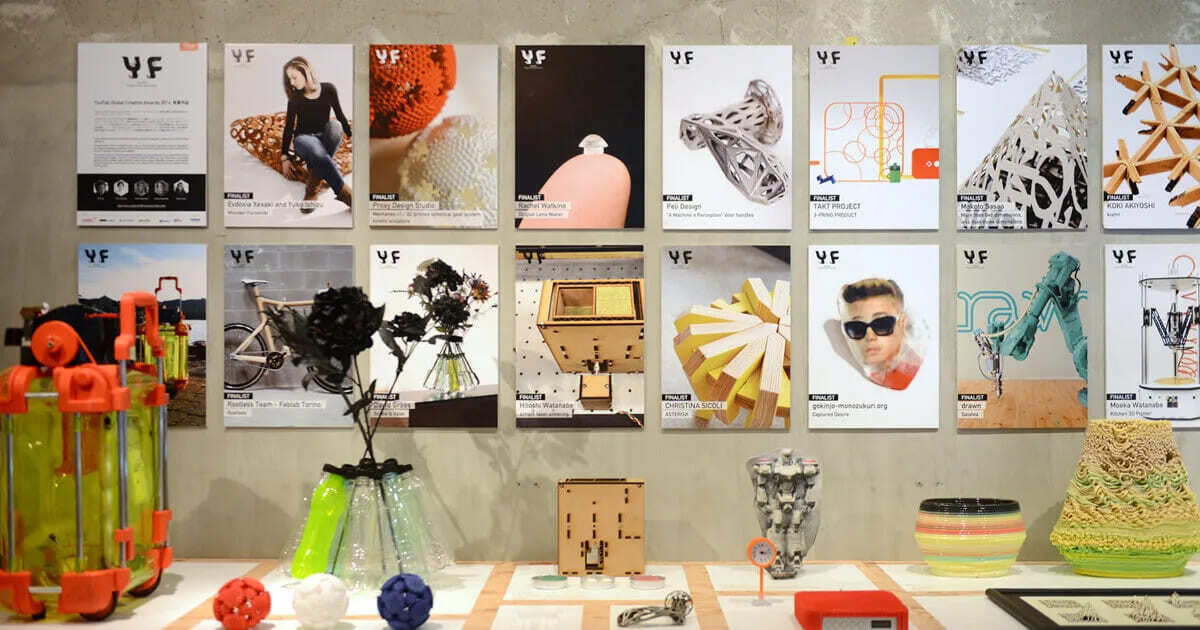
We have compiled a detailed overview of what we believe to be the purpose and value of companies conducting open calls in the article below. Please take a look as well.
Opening Corporate Potential to the World: Why Loftwork Continues to Focus on “Open Call” Projects
In this article, we outline five key points to clarify at the outset in order to turn open calls and awards into drivers of value creation.
At the end, we’ve also included a practical checklist to help lead your open call or award to success. We hope you’ll read through to the end.
Point 1: What is the purpose of your open call or award?
The first thing to confront is the fundamental question: “Why are we holding this?”
Even if the method—an open call or award—is the same, the blueprint will be entirely different depending on the objective. In particular, we believe that the purpose of conducting an open call or award is not simply to recognize the most outstanding works or ideas, but to enhance brand value and explore new possibilities beyond that.
If you move forward with unclear objectives or design, you risk mismatches—such as failing to attract enough applications, receiving proposals that don’t align with your intent, or not being able to utilize the results after the awards are given. It’s no exaggeration to say that the difference in outcomes is largely determined not after the call opens, but by the design before it begins.
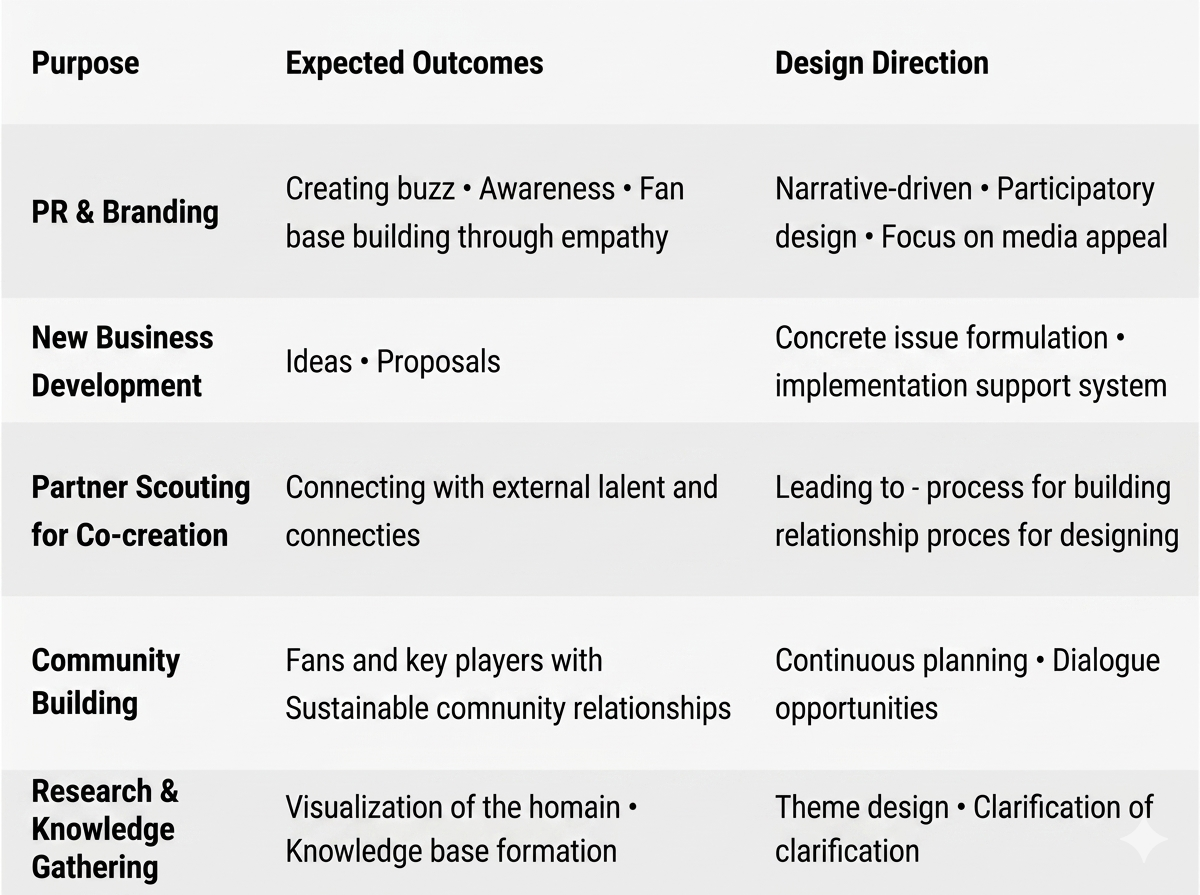
Your objective will influence everything—from how you set the theme to the judging process, communication strategy, and even post-award development.
Key point:
“What will be different when this succeeds? Who will be happy?”
Answering these questions will become the project’s North Star.
Point 2: Clarify who you want to participate

Submitting a work or idea involves a significant psychological hurdle. As a result, open calls framed as “open to anyone” often fail to resonate with anyone in particular, risking a lack of sufficient applications. Narrowing down the target is not about reducing the number of applicants, but about improving the quality of submissions.
- Do you want it to serve as a gateway for students and emerging talent, or do you want to attract established professionals?
- Do you want to go beyond a domestic scope and incorporate a global perspective?
- What motivates participants to apply—prize money, opportunities for implementation, recognition, or something else?
Participants who feel that “this theme is directed at me” will engage with greater enthusiasm. This leads to more meaningful discussions during the judging process and increases the likelihood that projects will develop into real-world implementations or collaborative initiatives after the awards. Rather than simply attracting “applicants,” it expands the possibility of encountering future co-creation partners.
Once the target is clearly defined, strategies such as “who to invite as judges” and “which media channels to use for promotion” naturally come into focus. Being able to clearly envision “the kind of person you want to attract” is the first step toward improving the precision of your design. To enhance this level of clarity, it is also important to build relationships with a diverse range of creators and entrepreneurs
Opening the door not only to wood specialists, but also to creators who simply “want to work with wood”
“WOOD CHANGE CHALLENGE,” an initiative that expands the potential of domestic timber through diverse perspectives
https://loftwork.com/jp/project/woodchangechallenge
Key point:
Applications won’t come in simply by publishing a call page. It’s essential to consider who you’re speaking to and in what context, and to combine multiple touchpoints—such as PR, events, and web content. An open call is not a standalone initiative, but part of a broader communication strategy.
Point 3: How do you frame the question?
The heart of an open call or award lies in its “theme.” A strong theme balances the organizer’s sense of challenge with enough “open space” to spark participants’ creativity. It should be connected to a challenge the company is genuinely committed to addressing, while still leaving room for participants to think, “This is how I would take on this challenge.” It is within that space that the motivation to engage is born.
- NG: Too abstract—participants don’t know what to propose
- NG: Overly promotional—participants can’t relate or make it their own
- OK: A question that sparks the desire to think, “This is how I would solve it!”
Refining the wording as a “question posed to society” is key to drawing out high-energy, high-quality proposals. The way a question is framed can influence who participates, the depth of discussion, and even the feasibility of outcomes. That’s why theme design is arguably the phase that deserves the most time and attention.
What new value can design create from financial data?
“QUICK Data Design Challenge 2023,” which reexamined the future of data-driven business
https://loftwork.com/jp/project/quick_data_design_challenge
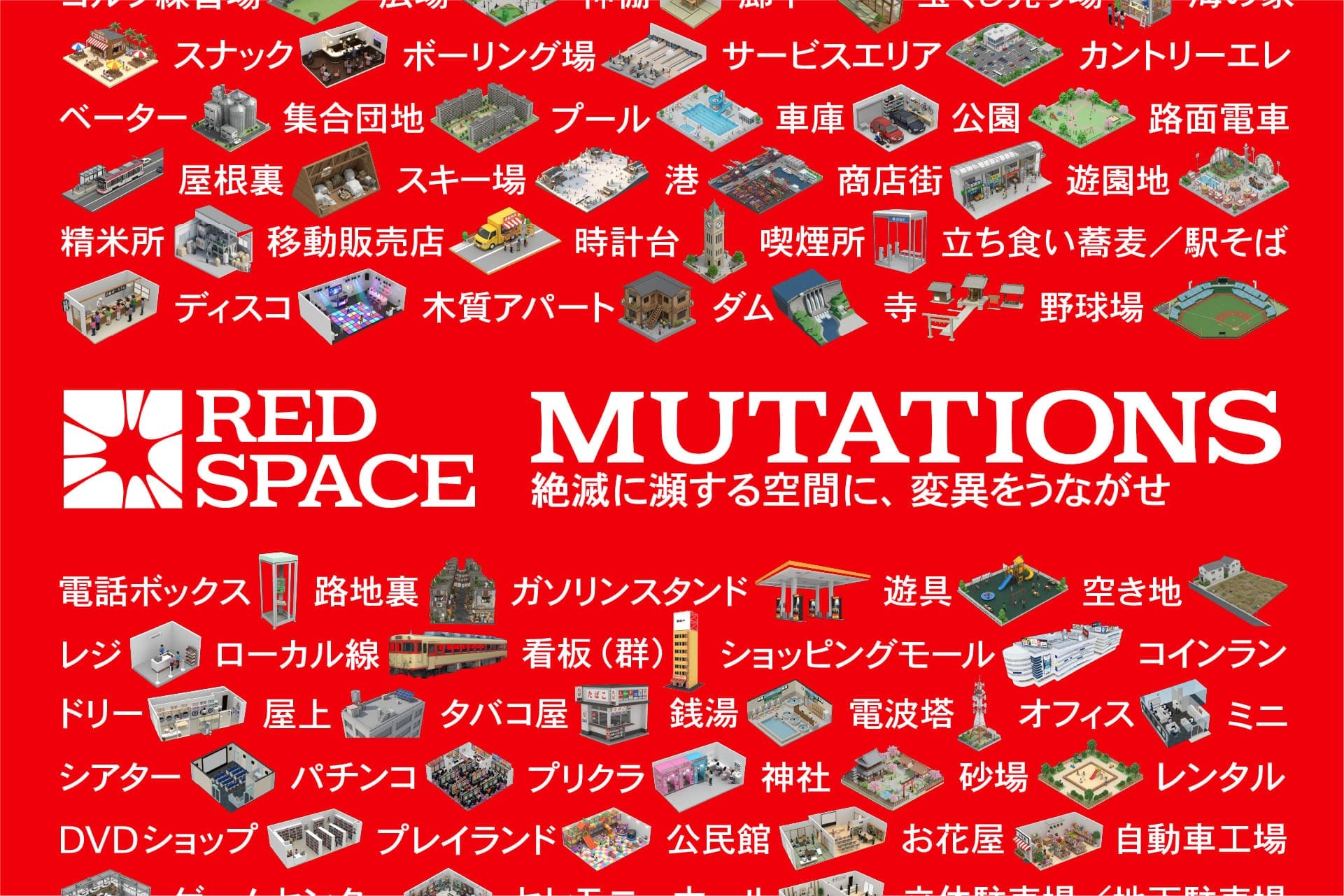
- How can spaces on the brink of extinction evolve for the next era?
“RED SPACE MUTATIONS,” which called for ideas that cut across architecture, culture, and society
https://awrd.com/award/red-space
Point 4: How will you select? Designing the evaluation process
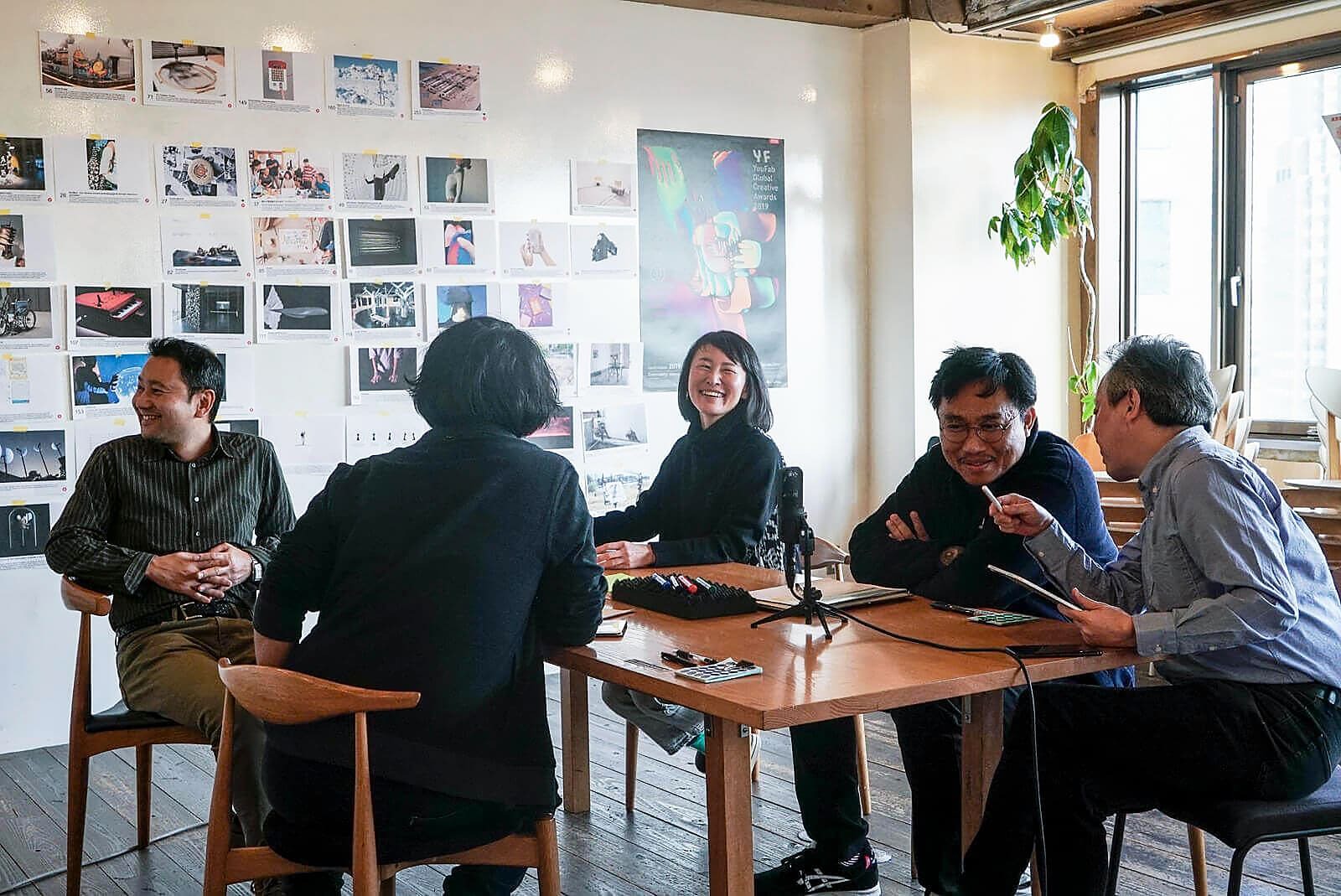
If the purpose of an open call is not merely to recognize outstanding works, then the role of evaluation goes beyond simple ranking. It becomes a process of dialogue—engaging sincerely with the passion and ideas that applicants bring to the theme, together with the judges.
Ensuring transparency in both the selection criteria and the process allows applicants to participate with a sense of fairness and confidence, which directly contributes to the credibility of the project.
- Clarifying evaluation criteria: Define the judging perspectives in advance—such as whether to prioritize originality of ideas or feasibility.
- Introducing external perspectives: By inviting experts and knowledgeable figures as judges, you can incorporate diverse evaluation criteria that may not emerge internally, enhancing fairness and credibility.
- Ensuring process transparency: Clearly communicate the evaluation criteria on the call page and share judging reports or summaries to provide insight into the selection process and discussions. This helps build trust in the open call and increases participants’ sense of fairness and understanding.
- YouFab Global Creative Award – Judging Report
https://awrd.com/blog/2020/3/youfab2019-report
Key point:
The selection of judges reflects the future your open call or award aims to create. Carefully design who will evaluate and by what criteria, and make the judging process not just an event, but a meaningful space for building shared understanding and consensus.
Point 5: What happens after it’s over?
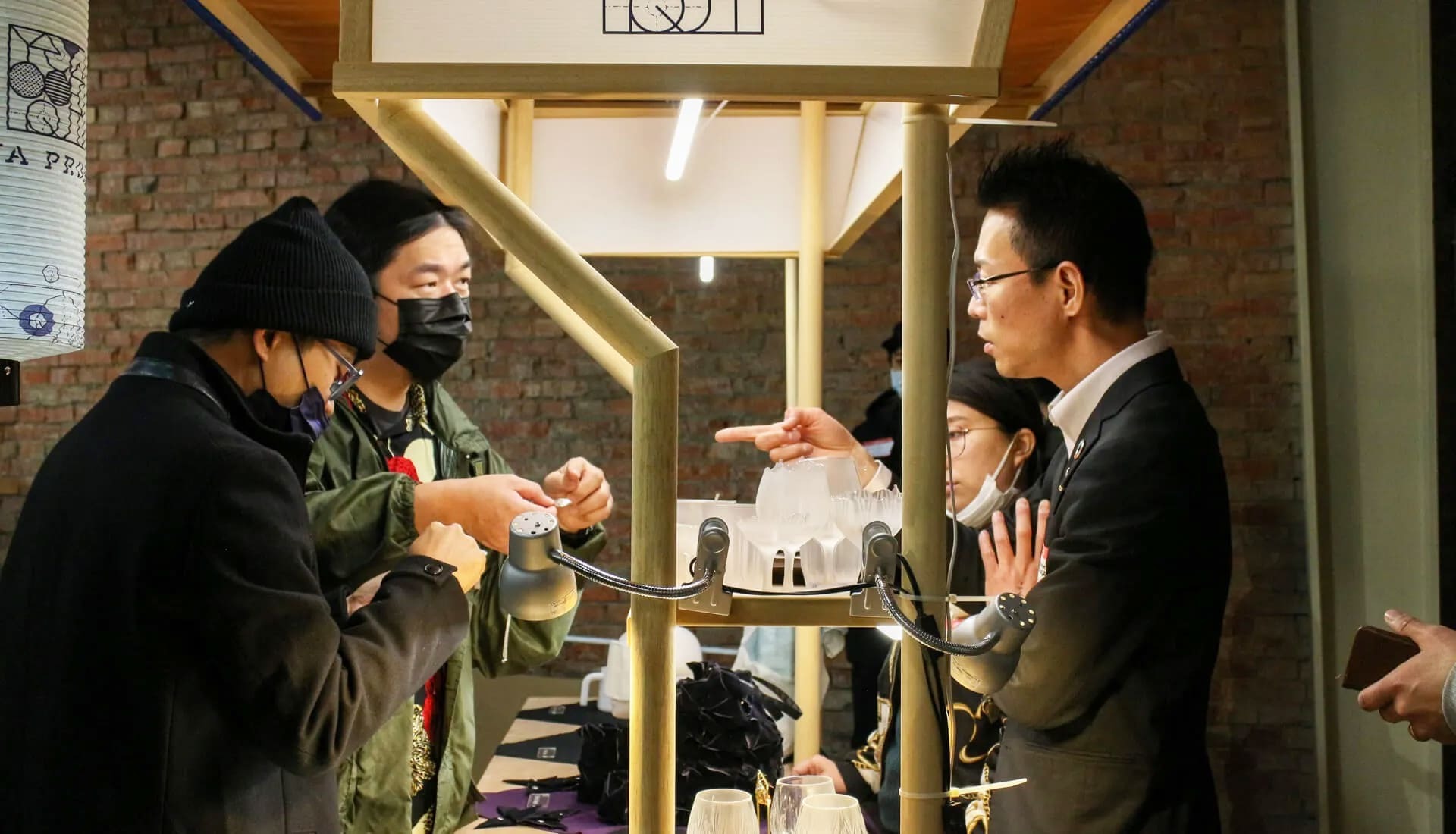
Has the awards ceremony become the end goal? The true value of open calls and awards lies in what comes after—how the selected works are connected to society through real-world implementation and the continuation of relationships.
- Developing winning works into prototypes and connecting them to exhibitions and pilot experiments.
“YAOYA PROJECT” in Yao City, Osaka, which fosters the ability of local factories to communicate their value
https://loftwork.com/jp/project/yaoya_project_phase1
- Redesigning local specialty products through an open call led to sales increasing by up to 20 times.
“Roooots Local Product Redesign Project,” which connected regional communities with creators from around the world
https://loftwork.com/jp/roooots
- Matching design talent with industry to bring new products into the city.
“Hiroshima Design Challenge,” which strengthens urban appeal by connecting core industries with design
https://awrd.com/en/business/cases/hiroshimadesign
The creative unit “Playfool,” whose “Forest Crayons” project—originating from the “WOOD CHANGE CHALLENGE”—expanded into product commercialization, exhibitions, and workshops
https://awrd.com/blog/2023/3/interview-playfool-2023
When these kinds of next steps are clearly envisioned, participants are more likely to see the open call or award not just as a “place to be evaluated,” but as an “opportunity that leads to the future.” This significantly strengthens their motivation to apply. As a result, the level of passion in the proposals increases, and the overall quality of the project improves.
In other words, designing what happens after selection is not aftercare. It is one of the most critical design points that determines whether an open call or award ends as a one-time event or evolves into something with lasting impact.
Key tasks involved in running an open call or award
Open calls and awards are projects that involve far more processes than one might expect. A single cycle typically spans about 6 to 9 months—from preparation to post-award development—and requires managing multiple streams of work in parallel, as illustrated in the diagram.
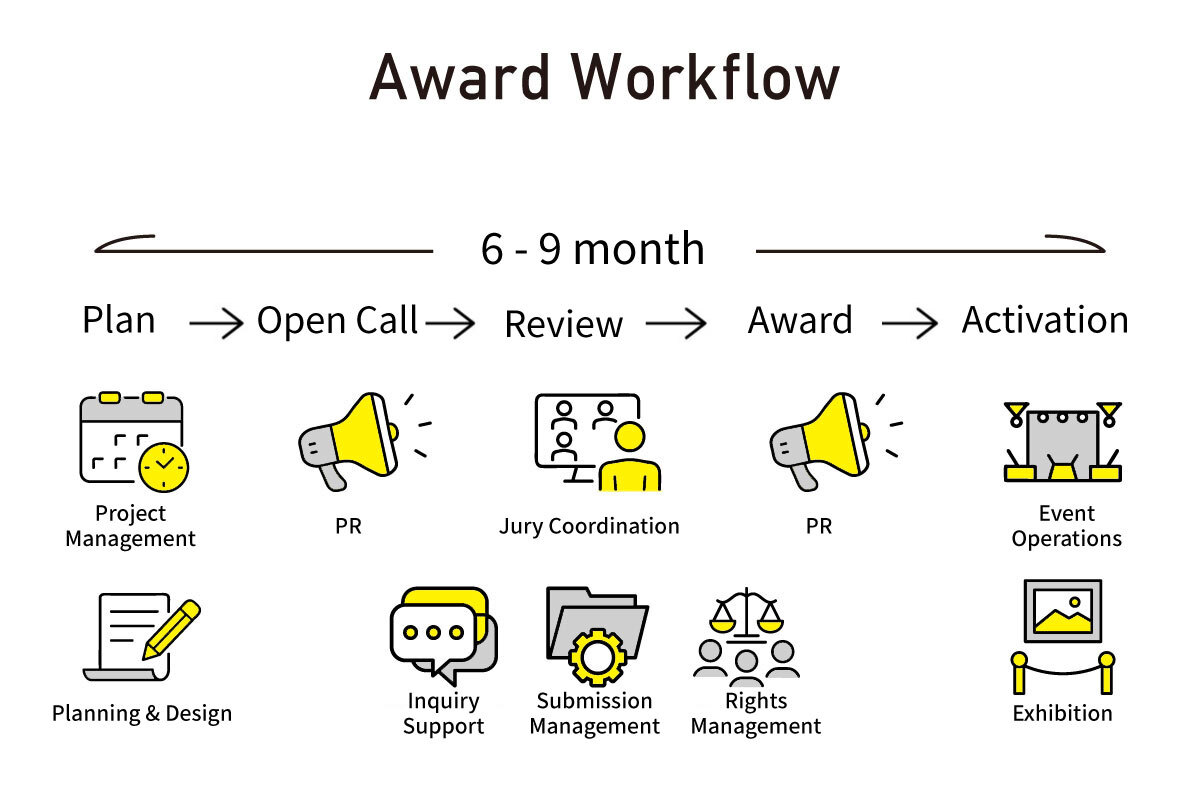
Given the large number of parallel processes, the many stakeholders involved, and the importance of schedule management and decision-making, successfully executing an open call or award project requires a higher level of project management skill than one might expect.
While it’s easy to focus primarily on whether you can gather works or ideas, it’s equally important to maintain a bird’s-eye perspective and stay aligned with the original objectives throughout the process.
Turning open calls and awards into a starting point for co-creation
The process of bringing an open call or award to life is a dynamic social experiment—one that opens a company’s vision to society as a question and, together with yet-to-be-met partners, leads to prototypes for the future.
To weave the passion of diverse players into a powerful collective momentum and translate it into tangible value, it is essential to combine meticulous project management skills with broad-minded planning and strategic design, alongside collaborative support grounded in a creative perspective.
“AWRD,” a platform that supports open calls and awards
At Loftwork, we leverage our experience in supporting numerous open innovation initiatives to provide support from the earliest stages—starting with the seeds of an idea.
Operating an open call or award involves a wide range of tasks beyond designing the call itself, including application management, submission handling, judging processes, and communication. To streamline these operations, Loftwork offers “AWRD,” a co-creation platform designed to deliver questions and connect people.
AWRD is an online platform that connects diverse challengers—entrepreneurs, companies, projects, and creators from around the world—with initiatives led by corporations and municipalities, transcending cultures, disciplines, borders, and generations. To date, it has supported numerous open calls, awards, and co-creation projects involving creators from across the globe. All of the projects introduced on this page have also been conducted using the AWRD platform.
By leveraging AWRD, you can enable initiatives such as the following:
- Launching open calls for participants around the world
AWRD is a platform with a global creator network, enabling you to reach a diverse range of talent—designers, artists, engineers, researchers, and more—both domestically and internationally.
- Streamlining application management and the judging process
You can centrally manage all essential functions for running an open call online, including submission management, evaluation by judges, and sharing of comments. Even complex judging processes can be carried out smoothly.
- Advancing co-creation projects
By connecting the ideas and projects gathered through an open call to prototype development, pilot testing, exhibitions, and media outreach, you can evolve them beyond a one-off contest into ongoing co-creation initiatives.
AWRD is not just a tool for managing applications—it is a co-creation platform that connects companies and municipalities with diverse creators, and has been utilized in many projects to date.
“Even if you have a vague concept but aren’t sure how to organize it”—that’s perfectly fine.
Why not start by working with us to shape the questions that will lead to the future?
Checklist for leading your open call or award to success
For those who want to organize the design of their open call or award more concretely, we’ve prepared a “Checklist for Leading Your Open Call or Award to Success,” which provides a comprehensive overview—from setting objectives to post-selection development.
It can be used both to review ideas at the conceptual stage and as a resource for internal sharing. We encourage you to download it and apply it to your own project.
>>Download the checklist※The checklist can be downloaded via Loftwork Inc.’s dedicated form.
Related projects
Like projects introduced here, AWRD provides many platforms for co-creation where companies and regions can bring their technologies and ideas into society.
We invite you to explore similar initiatives and learn more about how AWRD services can be utilized.
View other co-creation and new business project case studies
Browse the full list of AWRD case studies
How co-creation and design can be leveraged with AWRD
Learn more about AWRD services and use cases
AWRD is an open call platform for co-creation where companies, local governments, and creators collaborate on diverse themes.
By inviting projects and talent from around the world, it enables initiatives in business development, community co-creation, and startup support through open innovation.
From project design to operational support, AWRD accompanies initiatives every step of the way, fostering co-creation that opens up value to society.