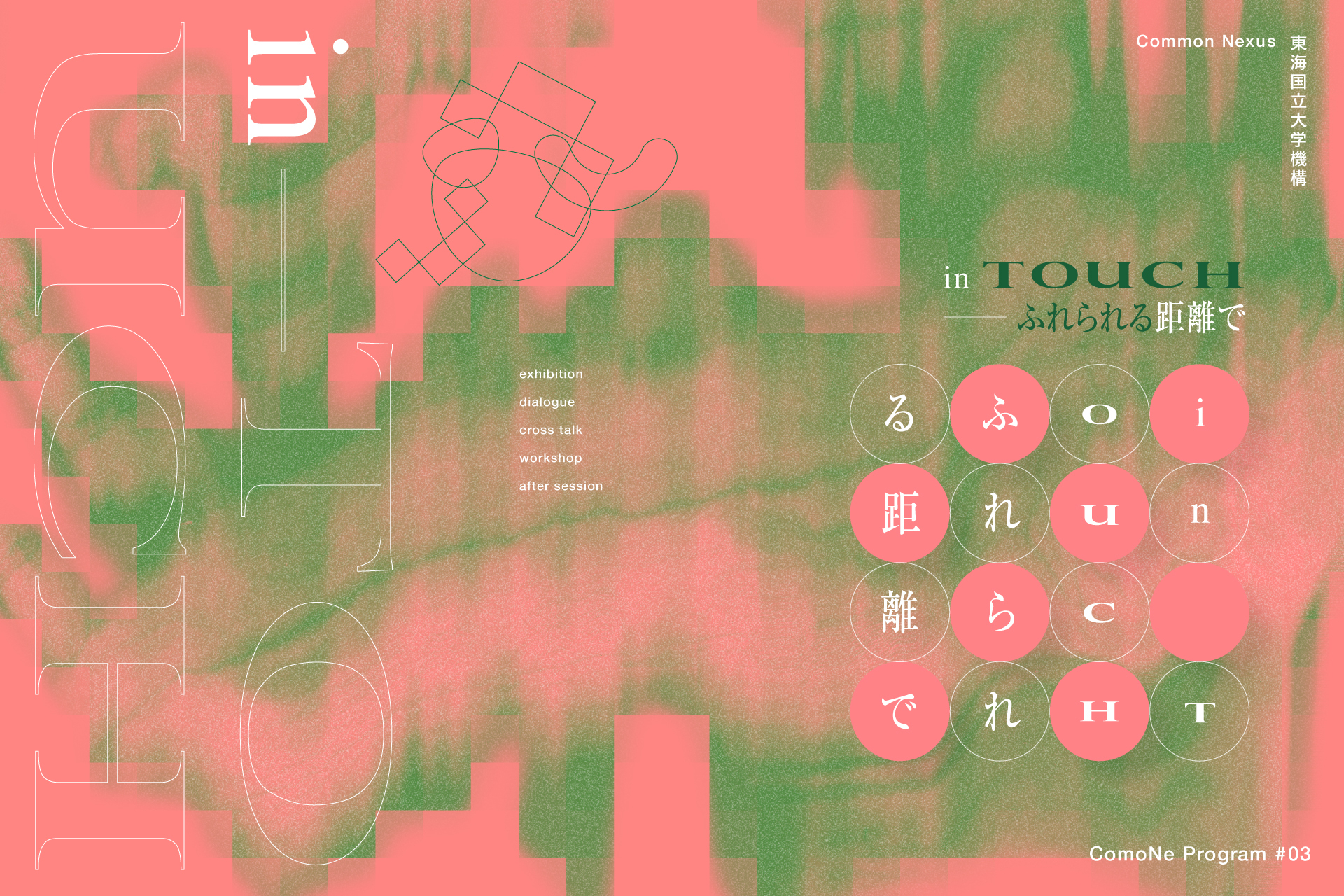
Open Call for Exhibits ComoNe Program #03
The ComoNe program is a cross-disciplinary collection that establishes diverse themes, gathering and revealing works and projects from around the world.
The theme for this third iteration is "in TOUCH — Within Reachable Distance."
A total of 49 works and projects were submitted.
In today's world, where we can efficiently comprehend the globe through screens, the tactile reality and time needed to verify things firsthand are gradually being lost.
Ten works and projects have been selected that re-examine the world through the experience of "touching," bringing forth new sensibilities and proposals that emerge by personally confirming reality.
Special Exhibition "in TOUCH — Within Reachable Distance"
The 10 selected works and projects can be viewed from Thursday, October 1, 2026, to Friday, March 19, 2027, at Common Nexus B1F PASSAGE.
Access & Opening Hours
Venue: Tokai National Higher Education and Research System Common Nexus
Common Nexus, Furo-cho, Chikusa-ku, Nagoya, Aichi 464-8601, Japan
(Directly connected to Exit 1 of Nagoya University Station on the Nagoya Municipal Subway Meijo Line)
Opening Hours: Weekdays 9:00–21:00 / Saturdays 10:00–18:30 (The special exhibition is accessible at any time during opening hours.)
Theme Owner
Mariko Kihira
(Assistant Professor, Department of Social and Environmental Studies, Graduate School of Environmental Studies, Nagoya University)
Theme Owner
Mariko Kihira
(Assistant Professor, Department of Social and Environmental Studies, Graduate School of Environmental Studies, Nagoya University)

After working at a chemical manufacturer and as an agricultural writer, he completed the doctoral program at the Graduate School of Environmental Studies, Nagoya University, in 2025. He holds a Ph.D. in Environmental Studies. That same year, he became an assistant professor in the Department of Social and Environmental Studies at the same graduate school. His areas of expertise are environmental sociology and the sociology of science and technology. In the fields of agriculture, fisheries, and the environment, he focuses on the “discrepancies” that arise between people, technology, nature, and institutions. He is engaged in the development and implementation of methodologies such as “Visual Problem Appraisal,” which utilizes video and simulation games, and “m-PULSP,” a technique for assessing collaborative situations. Publications include *The Great Encyclopedia of Potatoes* (co-authored, Agricultural, Mountain, and Fishing Village Cultural Association, 2023). A book based on his doctoral dissertation, *Collaborative Design in the State of Chaos: On the Front Lines of Technology Development for Sustainable Agriculture* (Showa-do), is scheduled for publication in the fall of 2026.
Theme Owner General Commentary
n this program, we sought works that explore touching or attempting to touch, incorporating tactile feel, corporeality, and even hesitation.
The works selected this time allow us to consider "touching" not only physically, but also mentally and relationally. By touching various relationships—such as diverse people, nature, artifacts, animals, and history—they hold the potential to re-examine or dissolve those boundaries. Furthermore, one can touch through various "methods" and "places of the body and mind."
We hope that ComoNe Program #03 "in TOUCH — Within Reachable Distance" reaches you—as individuals drifting away from touch and as viewers "touching" the artworks—as something that catches your attention, delivering that experience and sensation.
Hirohisa Saito
(Professor, Future Society Studio, Institute for the Creation of Future Society, Nagoya University / Professor, School of Co-Innovation, Co-Innovation University (CoIU))
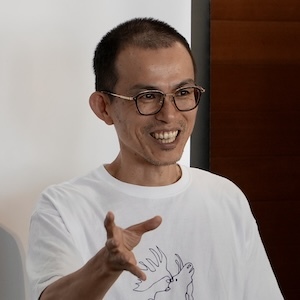
Professor at the Future Society Studio, Institute for the Creation of Future Society, Nagoya University, and Professor in the Faculty of Co-Creation at Co-Innovation University (CoIU). After living abroad for over 20 years, he helped establish CoIU and moved with his family to Hida City, Gifu Prefecture, in 2022. As a sociologist specializing in the sociology of science and technology, he explores models for universities capable of fostering innovations that enhance the well-being of society as a whole, while practicing mindfulness and design thinking. His hobby is meditating on the GREEN TERRACE on the rooftop of ComoNe, where he enjoys the gentle breeze, the sound of birds, the sun, and the feel of the earth and grass.
Theme Owner General Commentary
During this exhibition period, ComoNe transforms into a laboratory for re-encountering various phenomena that we humans have tried to express through the word "touch."
"Touching" (fureru) is an act with greater breadth than simply "feeling" or "tactile contact" (sawaru). When we touch something, beyond the sense of touch, we engage vision, hearing, bodily sensation, intuition, emotion, memory, and imagination. This time, we have exhibited works with diverse modalities under one roof. This is because we wanted to create an experimental space that shakes up and mixes the concepts and experiences historically linked to the word "touch" in daily life, allowing us to re-encounter "self," "others," and "the world."
When you take a step outside ComoNe after participating in the "in TOUCH" experiment, how will your physical sensations, mental state, perspective toward others, and view of the world have transformed? We look forward to hearing your experiment results.
Selection Committee Members
Shunsuke Aoki
(CEO and Representative Director, Yukai Engineering Co., Ltd.)
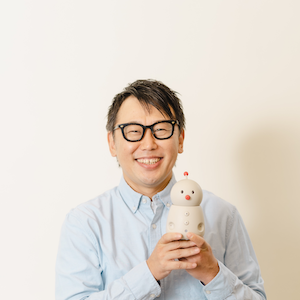
Founded teamLab while attending the University of Tokyo, serving as CTO. After serving as CTO of pixiv, he established the robotics venture "YUKAI Engineering." Under the vision "Make the world yukai (playful/fun) with robotics," he has created numerous household communication robots such as "BOCCO emo," "Qoobo," "Amagami Hamham," and "mirumi." Good Design Award judge since 2015. Specially Appointed Professor at Musashino Art University since 2021.
Yasuaki Kakei
(Professor, Graduate School of Information Science and Technology, The University of Tokyo)
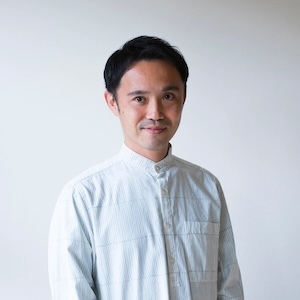
Researcher and artist. Professor at the Graduate School of Interdisciplinary Information Studies, The University of Tokyo. Ph.D. in Interdisciplinary Information Studies. Conducts engineering research and design focused on interfaces that highlight the texture of materials and improvisational fabrication methods, while also developing artistic expressions that explore the relationship between the body and the environment through objects. Has exhibited at the Ars Electronica Festival, ICC, LVMH Métiers d'Art La Main, and AkeruE, and has received awards including an Honorable Mention at the STARTS PRIZE 2022, the Excellence Award in the Art Division at the 23rd Japan Media Arts Festival, and the Heisei 26 Minister of Education, Culture, Sports, Science and Technology Award for Young Scientists in the Field of Science and Technology.
Natsumi Wada
(Researcher/Designer)

Raised by deaf parents, he grew up switching between Japanese Sign Language and Japanese. He explores the potential of media derived from the worlds and sensations within each individual’s mind and body. As “Qualia” and “Hayato Tabata + magnet,” he has developed communication games based on tactile sign language, such as “YUBIBO” and “Tatchimatchi.” Since 2023, she has been enrolled in the doctoral program at the School of Design, Politecnico di Milano, where she is conducting research on home-making among people with dementia as part of the European research program Homedem. She is also a researcher at the University of Tokyo. She obtained her sign language interpreter certification in 2016.
Selected Works and Project
(in no particular order)
Spending time with ambient friend.
(Mio Takeyama)
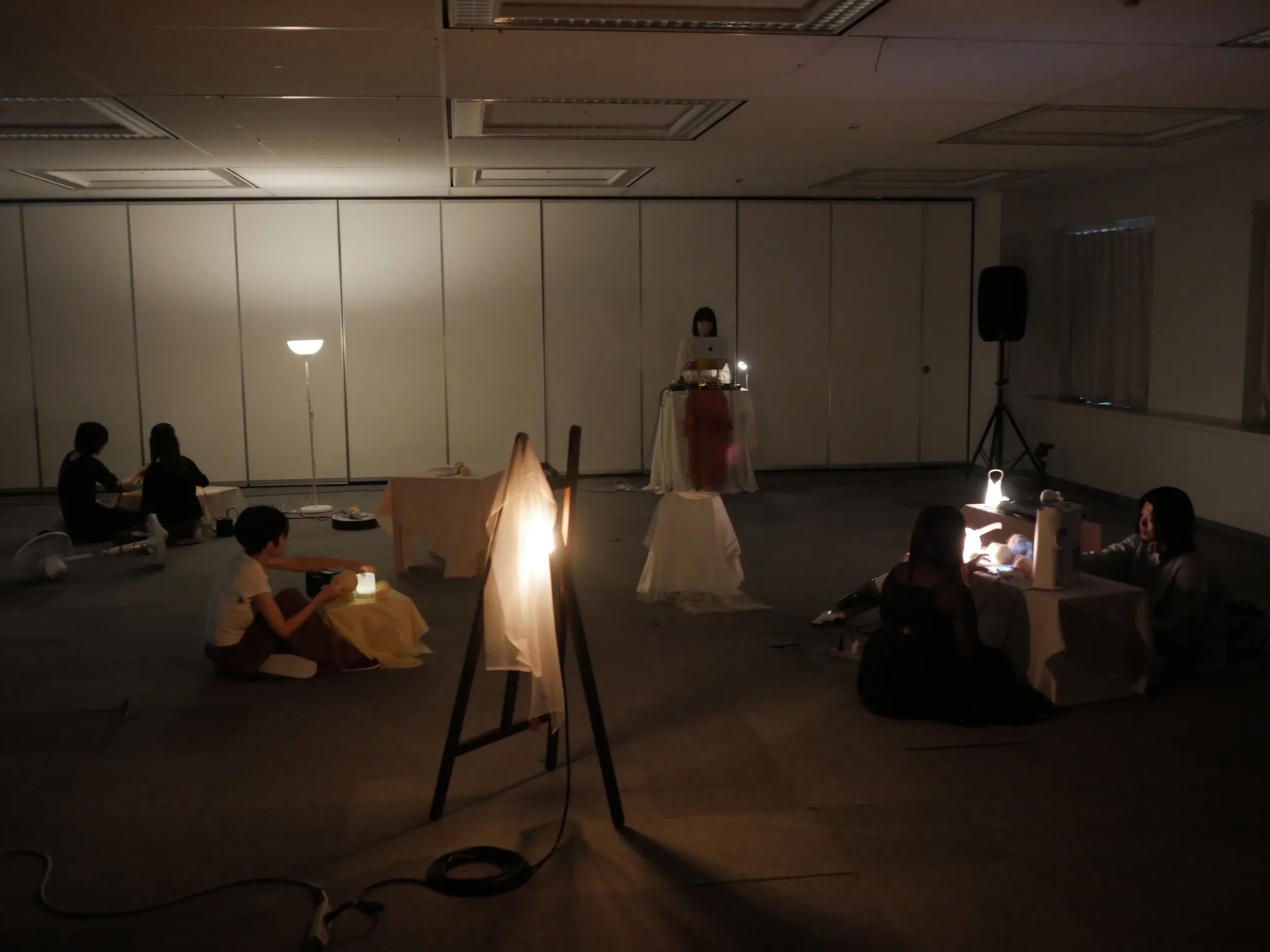
In the middle of the city, hard sounds of cars, traffic lights, and construction clang and echo. Amidst the dizzyingly changing city, I wanted an entity that would softly just stand beside me. Thus was born the fictional lifeform ambient friend.ambient friend, affectionately called "Friends," likes to play with Earth's resources, turning tools created by humans into playthings. Furthermore, "Friends" convert electromagnetic fields—which cannot be directly perceived by humans—into sound. In this work, as viewers bring "Friends" closer to home appliances, the appliances we normally use as convenient tools emerge as acoustic objects. At the same time, the presence of environments less conscious in daily life—such as electricity, technology, resources, production, and consumption behind them—comes to the surface.
Mio Takeyama
Completed the Master's program in Materials and Products Engineering, Graduate School of Natural Science and Technology, Gifu University in 2020. After working as an engineer at an electronic components manufacturer, she is currently in her second year of the Master's program at the Institute of Advanced Media Arts and Sciences [IAMAS]. Using the fictional lifeform ambient friend, she creates and presents media art practices that re-examine the relationship between humans and the environment in the form of installations and performances. Additionally, while practicing DJing and live performances, she attempts to observe phenomena born in places where people gather and connect them to media art practices.
On the web
https://www.instagram.com/mio.takeyama/
Placoid Scale Tapestry (Yu YOSHIDA)
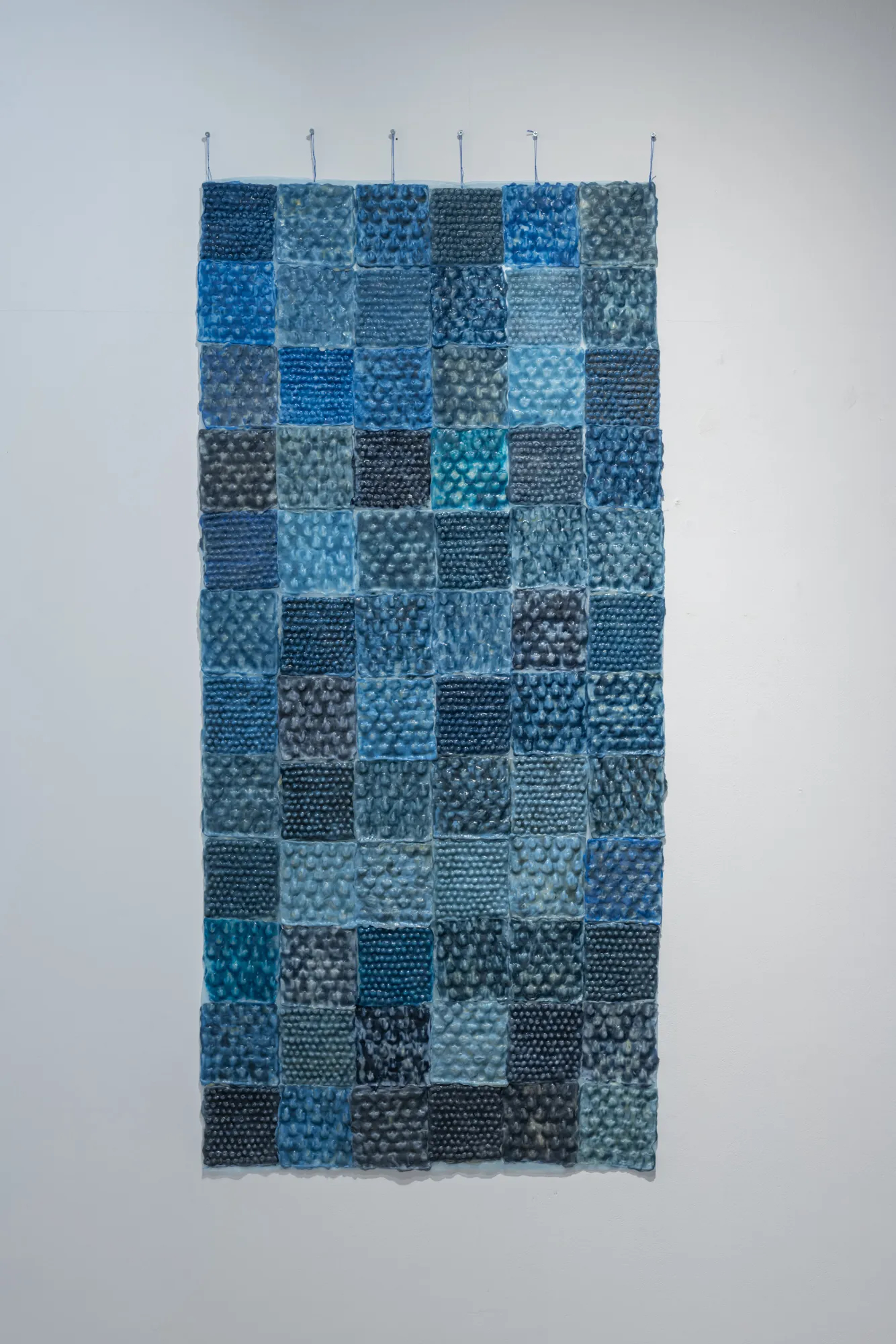
Shark skin consists of fine spines (placoid scales) arranged at high density that cannot be confirmed with the naked eye. Placoid scales play an important role for living in the ocean. There exist several different shapes of placoid scales; these were enlarged into sheet form and joined together. It is a prototype of equipment designed to perceive the shark's body through vision and touch—revealing the true nature of the rough tactile feel known as sharkskin—and for myself to metamorphose into a shark.
Yu YOSHIDA
Shark skin consists of fine spines (placoid scales) arranged at high density that cannot be confirmed with the naked eye. Placoid scales play an important role for living in the ocean. There exist several different shapes of placoid scales; these were enlarged into sheet form and joined together. It is a prototype of equipment designed to perceive the shark's body through vision and touch—revealing the true nature of the rough tactile feel known as sharkskin—and for myself to metamorphose into a shark.
On the Web
https://www.instagram.com/yuyoshida_shark/
Human Tools(Akana Takemura)
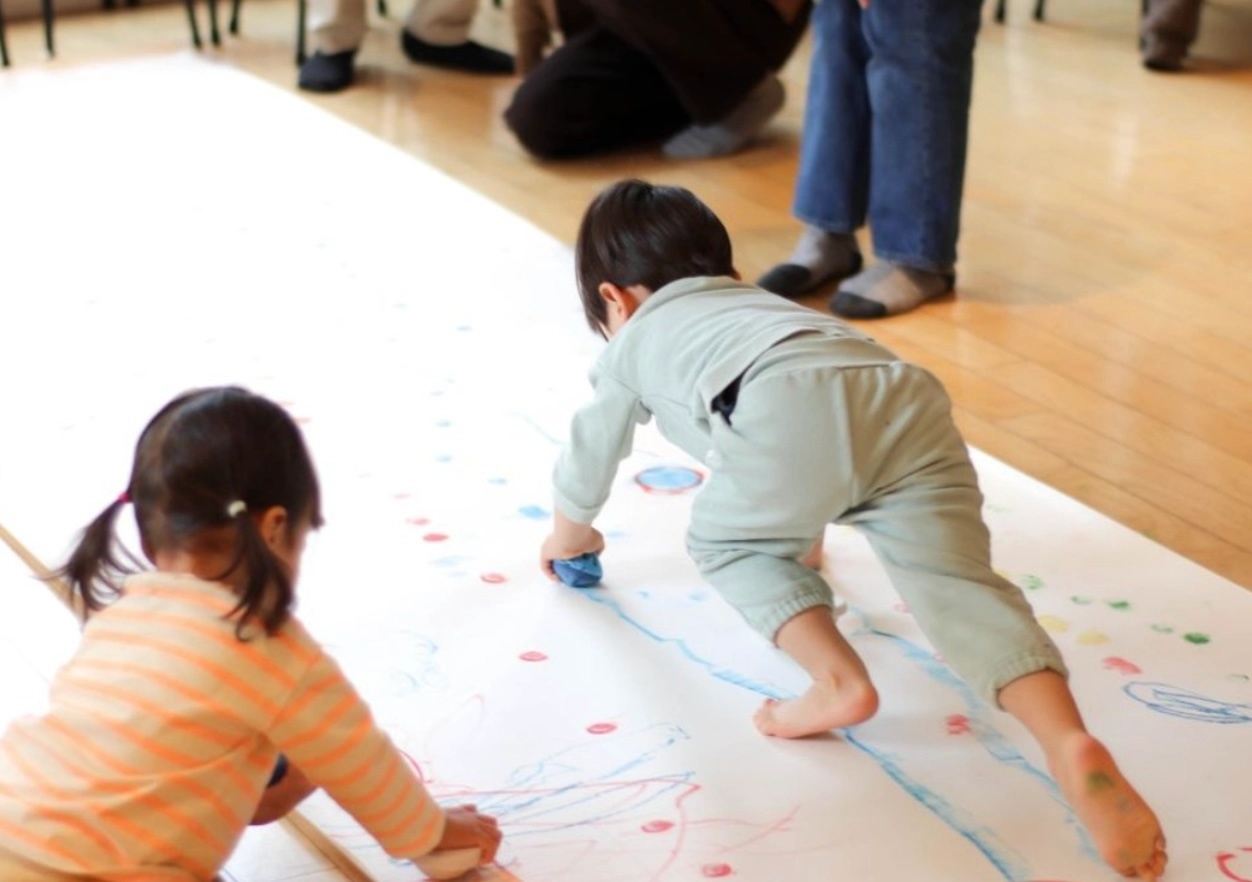
Human Tools is a series of products aimed at assisting free thinking and intuitive creation as physical, embodied tools. By linking stationery normally handled in hand with the movements of the body—such as palms, fingertips, and feet—it expands ideas from a "tool" for drawing into an "experience" of moving the body. Creation begins not from "what to draw," but from "how to move." Body movements everyone knows—such as spinning, bouncing, tracing, and walking—appear on paper as unexpected play. Even physical habits, wobbles, and shifts in the center of gravity become expressions, creating a unique trajectory for each person.
Akana Takemura
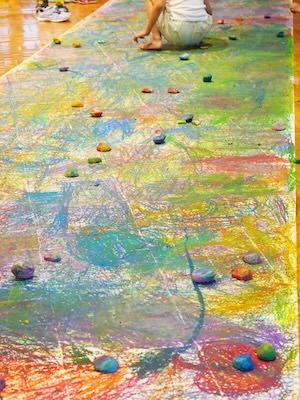
Human Tools is a series of products aimed at assisting free thinking and intuitive creation as physical, embodied tools. By linking stationery normally handled in hand with the movements of the body—such as palms, fingertips, and feet—it expands ideas from a "tool" for drawing into an "experience" of moving the body. Creation begins not from "what to draw," but from "how to move." Body movements everyone knows—such as spinning, bouncing, tracing, and walking—appear on paper as unexpected play. Even physical habits, wobbles, and shifts in the center of gravity become expressions, creating a unique trajectory for each person.
On the Web
https://www.instagram.com/humantools_/
Heart tone piano : Revivify 236283 (Noguchi Momoe)
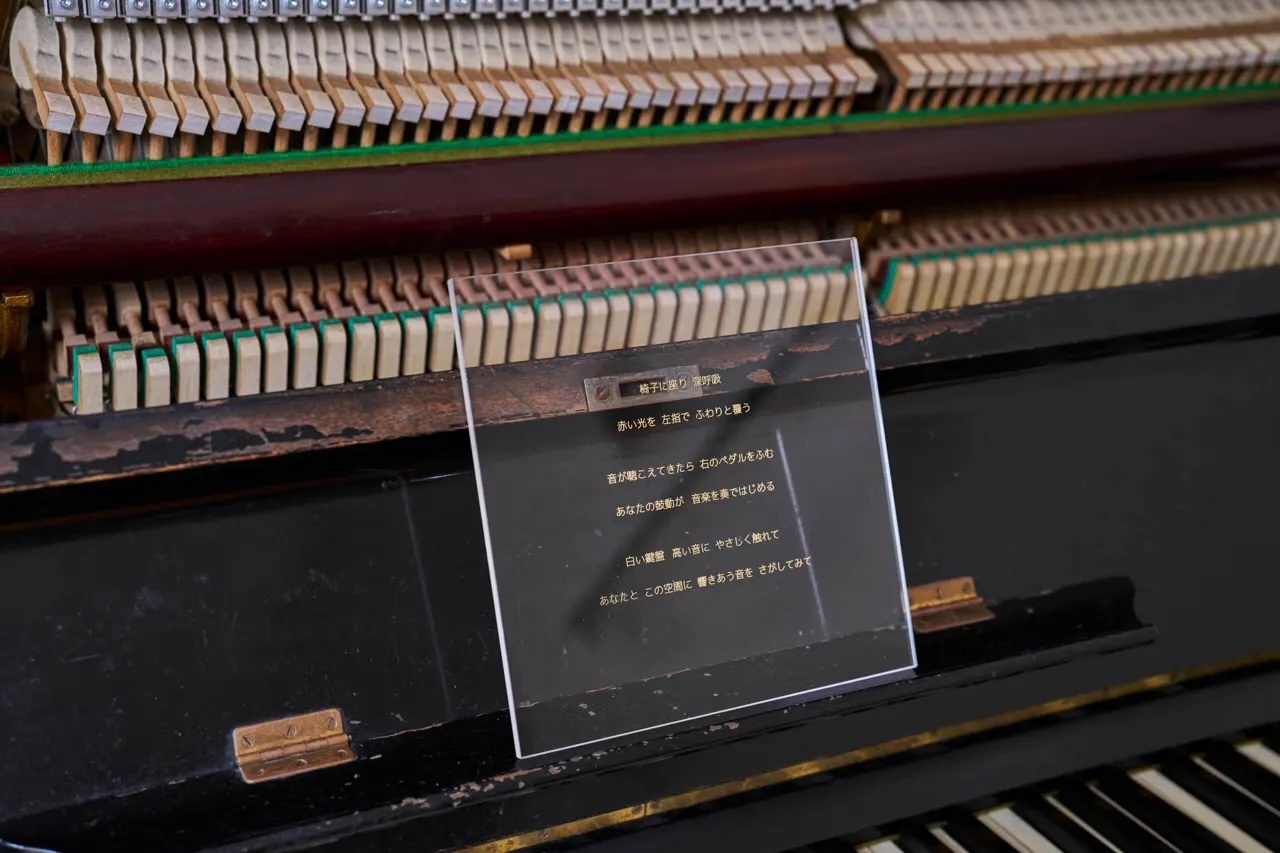
"Touching" and "heartbeats" are rooted in a fundamental physicality common to all humans. Gently holding a finger over the light on the keys, the touch recipient's pulse begins to resonate as sound. By building in an automatic playing device while preserving the instrument's original mechanics, machine and human performances coexist within a single instrument.
A "Sheet Music of Words" (Japanese / English / Braille) is placed on the music stand. Along with deep breathing, please listen closely to your own pulse and the sounds of the space, searching for sounds where the internal and external resonate together.
The piano used was on the verge of being discarded in Nagoya City. An instrument no longer touched closes firmly, appearing as if asleep. This work is also an attempt to return the instrument to a place open to a wider variety of people, undergoing "Revivify" as it is touched. It questions the cyclical nature of instruments.
Noguchi Momoe

Artist. Creating compositions, improvised performances, and experiential installations centered on themes such as forging new relationships between humans and inanimate objects, opening up improvisation, and multi-sensory experiences. In addition to presenting works across Japan and Europe, she engages in practical implementations and collaborative projects in diverse settings such as welfare facilities and schools. Major works include QUENELLE: Small EV Connecting Senses and Harmonia Natura: Organ for Harmonizing with Nature, and co-author of Creative Workshops in Theatre and Music. Graduated from the Department of Composition and Theory, Toho Gakuen School of Music. Completed the Master's program in ArtScience at the Royal Academy of Art / Royal Conservatoire, The Hague.
On the Web
SNOP!(Iguchi Kota)
I have no "memories of playing" with my grandfather.
My grandfather suffered from glaucoma and lost his sight. From my childhood, there were hardly any opportunities to play together, and communication with family was centered around "talking." Because of the difference between "seeing / non-seeing," we couldn't share the same play. That small sense of discomfort was the starting point of this work.
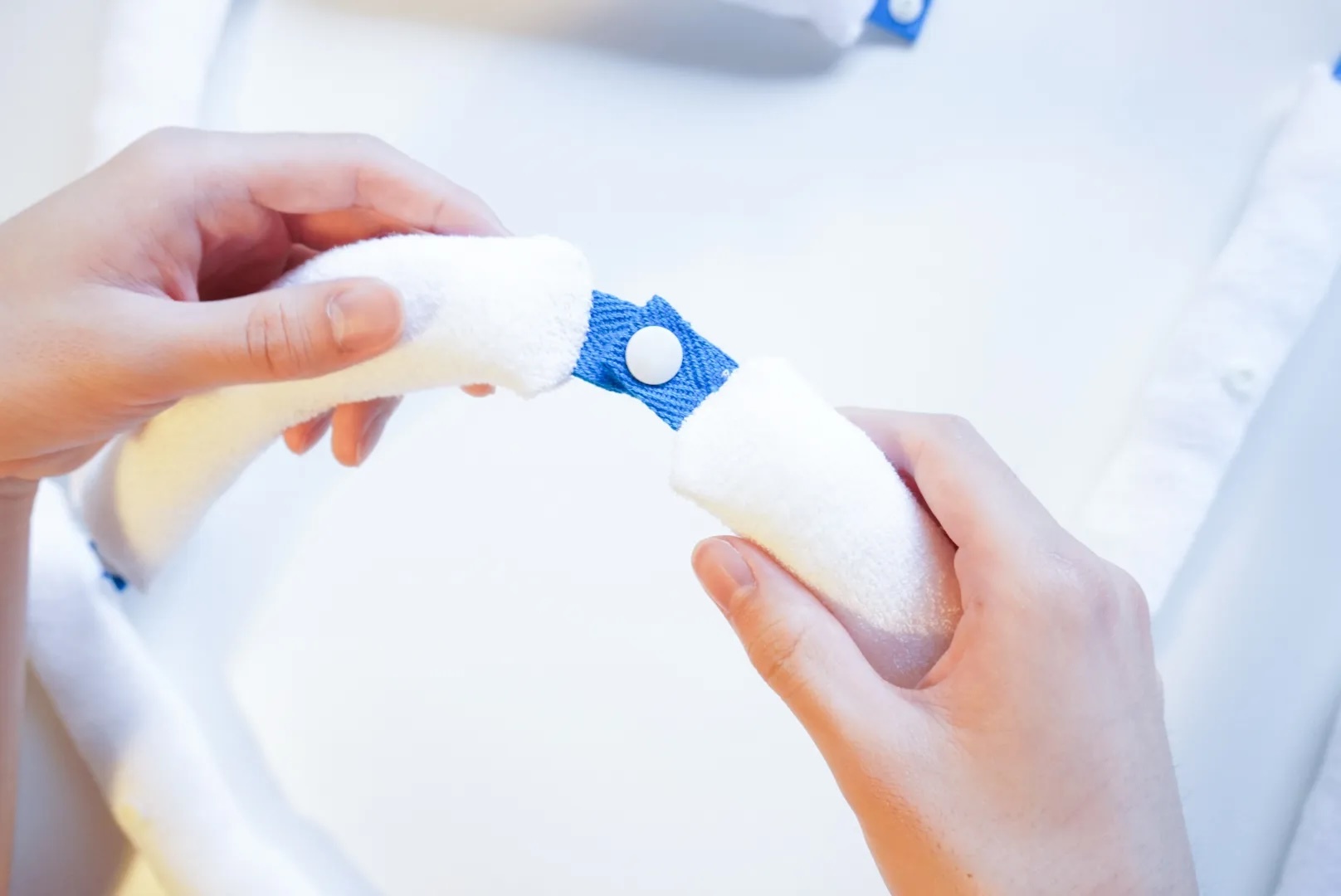
SNOP! is an experiential, toy-like communication tool that visually impaired and sighted people can enjoy under the same conditions. Soft pile-fabric rods are connected using touch and the "snap" sound as clues, freely creating shapes.
Imagining the other person's senses not from seeing, but from touching. Aiming to share the same play with someone within reachable distance, creating a time connected by heart and skin.
Iguchi Kota

Belongs to the Space Design Course, Department of Spatial Design, Kyoto University of the Arts. Engaged in design across a wide range of fields including architecture, exhibition spaces, graphics, web, and products. Particularly skilled in graphic design, daily exploring expressions that maximize the charm of objects and events. Always conscious of the perspective of others, valuing thinking not only from appearance but from the background story and concept.
On the Web
https://www.instagram.com/iguchikota
Touching, Wearing Away (Masui Takanobu)
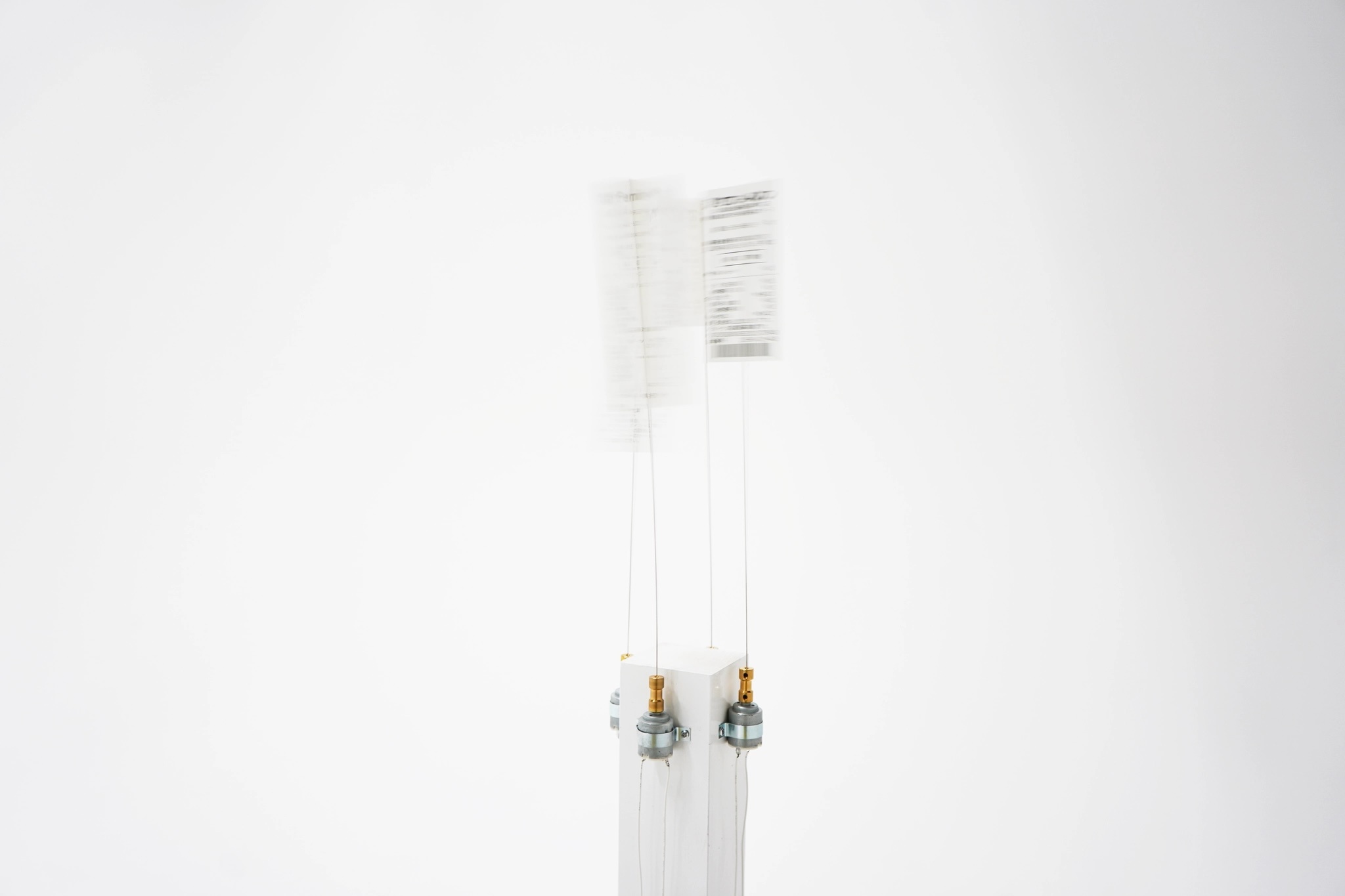
Receipts are physical traces of our daily shopping. However, the print on thermal paper peels and fades due to heat and friction. This work irregularly moves receipts anonymously gathered from the city using small motors, rubbing them against each other. The motion of the motors is intentionally unpatterned. Just as we cannot predict when consumption occurs, the moment receipts move and touch is also uncertain. Each time records rub against records, a faint sound rings out irregularly, gradually obscuring the printed history itself through friction. Because neither the touch locations nor the frequency are fixed, the fading differs for each receipt; as the exhibition progresses, the print fades further, and one will never see the same appearance again. Traces are lost while being watched—only that fragility remains.
Masui Takanobu
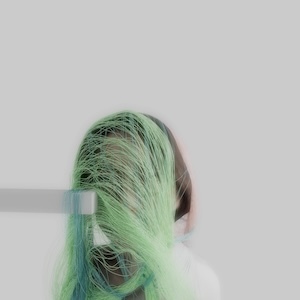
Picking up everyday items that are not consciously looked at or objects left with someone's traces as materials, he attempts to reconnect them into different contexts using computer-based methods such as 3DCG, digital fabrication, sensors, and algorithms.
2017 Shigeru Ban Architects
2023–2024 IAMAS RCIC (Research Center for Industrial Culture, Institute of Advanced Media Arts and Sciences)
2026–Present Specially Appointed Assistant, Shizuoka University of Art and Culture
On the Web
https://www.instagram.com/nobu_mas
Breathing Currents(Meika Mizuno / Yufei Wu)
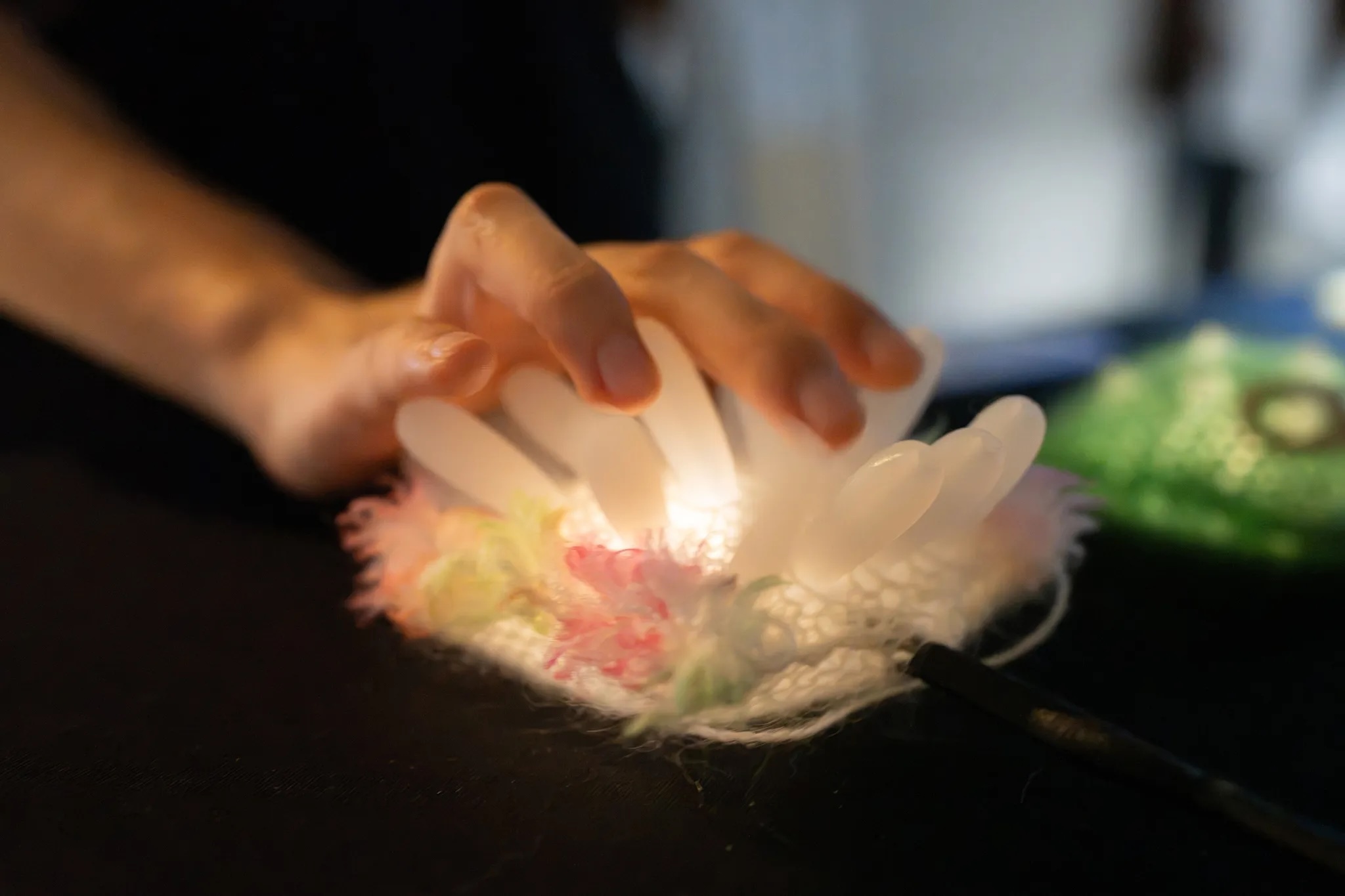
We unconsciously imagine the texture and properties of objects from visual impressions. However, the moment we actually touch them, that impression can fluctuate significantly.
Inspired by sea slugs with vivid colors, soft bodies, and various protrusions, this work is an attempt to translate that sensation into a new tactile sense. By combining warm knitting with smooth, artificial silicone inflatable structures, "comfort" and a "sense of foreignness" coexist within a single body. Furthermore, reflecting the tide rhythms of Nagoya, it repeatedly expands and contracts, changing its contour while pushing back against touching hands. Through the experience of touching and being touched back, viewers move back and forth between life and artificiality, familiarity and discomfort. It is a tactile space for personally touching an existence that cannot be fully grasped just by looking, confirming its discomfort and changes with the body.
Meika Mizuno / Yufei Wu
A creative team of two belonging to xlab, specializing in HCI and material experience design. Combining individual expertise—one member skilled in modeling and textile expression using knitting, and the other skilled in inflatable structures and soft robotics that deform soft materials—they collaborate. Combining the warmth and approachability of knitting with the artificial, unfamiliar texture of silicone, they explore the sensations and relationships born between humans and artifacts. In 2026, they presented this work at "The University of Tokyo Exhibition 2026 Beginning."
On the Web
https://www.instagram.com/breathing.currents
Heavy Duty (Sakai Zon + TIAR)
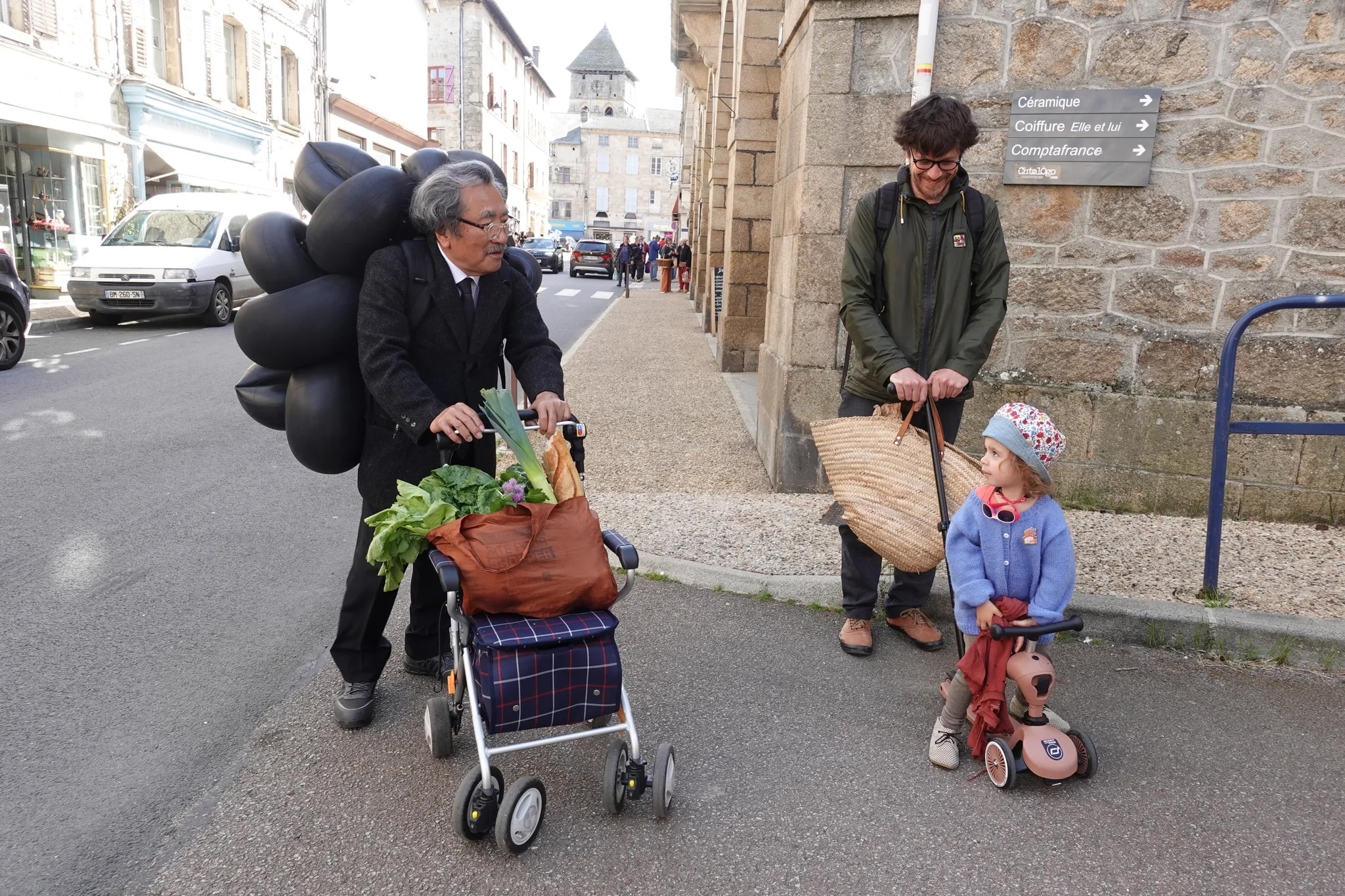
Sakai Zon + TIAR
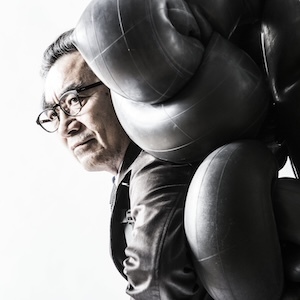
While working as a typical Japanese baby-boomer businessman, he began his artistic activities. Since 1996, he has presented massive rubber tube sculptures in museums and galleries. In 1999, he started the street performance Heavy Duty, visiting various places while carrying his artwork on his back. Performed at domestic and international locations. Joined the Tanushimaru Art Research Institute (TIAR) in 2020. Performs creative activities across diverse angles including generation/age, body, business, environmental issues, and consumer perspectives. Recently, he focuses his energy on participatory projects that bring out the creativity inherent in everyone under the theme "Sakai Zon's Everyday Art, or Existential Art."
On the Web
https://www.instagram.com/sakaizon/
TOUCH LOG (Soryuji)
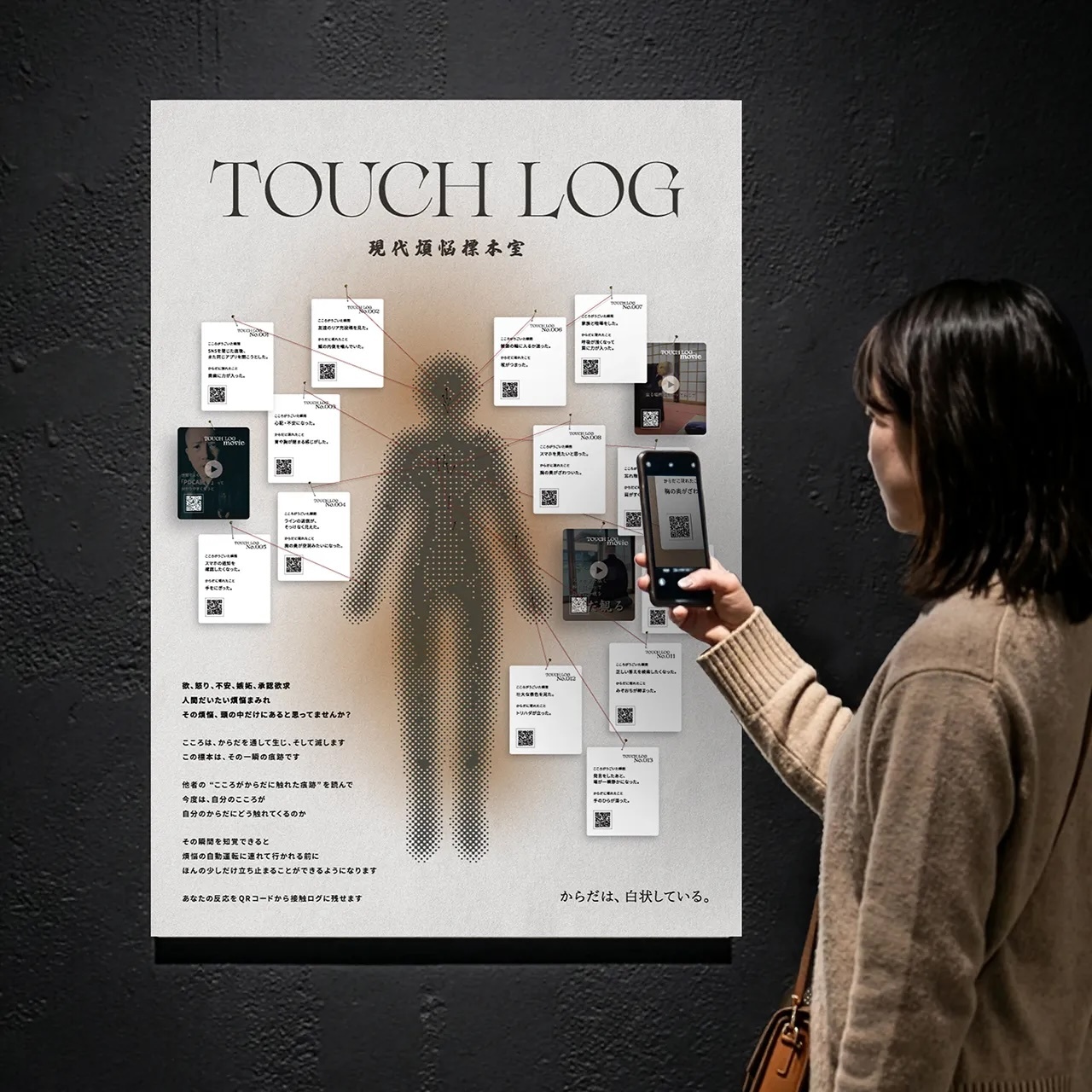
When the heart is moved, what happens to the body? This work visualizes that change as a "specimen."
We gathered moments when emotions were moved and the bodily reactions that appeared from Zen practitioners, recording them on cards. Viewers touch those traces and anonymously leave the physical changes that occurred as a "secondary touch log" via QR code.
In this work, "reachable distance" overlaps not only the meaning of "possible," but also the "passive" meaning of the body being "touched" by emotional movements. It is the distance where the movement of one's own heart reaches one's body, and further, the distance where the trace of an unknown person's emotion slightly moves one's own body.
Touching the trace of someone's heart touching their body. At that moment, one's own heart begins to touch one's own body. This is an attempt to open such a chain of contact.
Soryuji
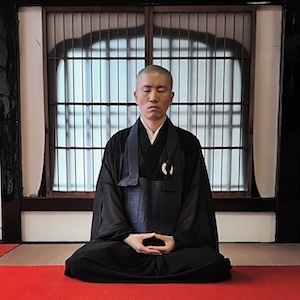
A temple that conducts ancestral memorial services for parishioners while regularly holding Zazen sessions and Sesshin (overnight Zazen training), drawing people highly interested in Zazen and meditation from across the nation. The chief priest Yumin Horibe and priest/Tea Ceremony Sowa-ryu master Yushin Hirama broadcast as the "Buddhist Realm" (Bukkyoto-chan Kaiwai) on YouTube, TikTok, Instagram, and podcasts. Monks and lay members with different expertise and practical knowledge interact across domain boundaries. Without processing worldly desires, anger, and hesitation into pleasant, clean lessons, they continue to explore the possibilities of Zazen practice connected to modern life as individuals caught in the midst of it themselves.
On the Web
Touched (Skin)(Nishimura Yuma)
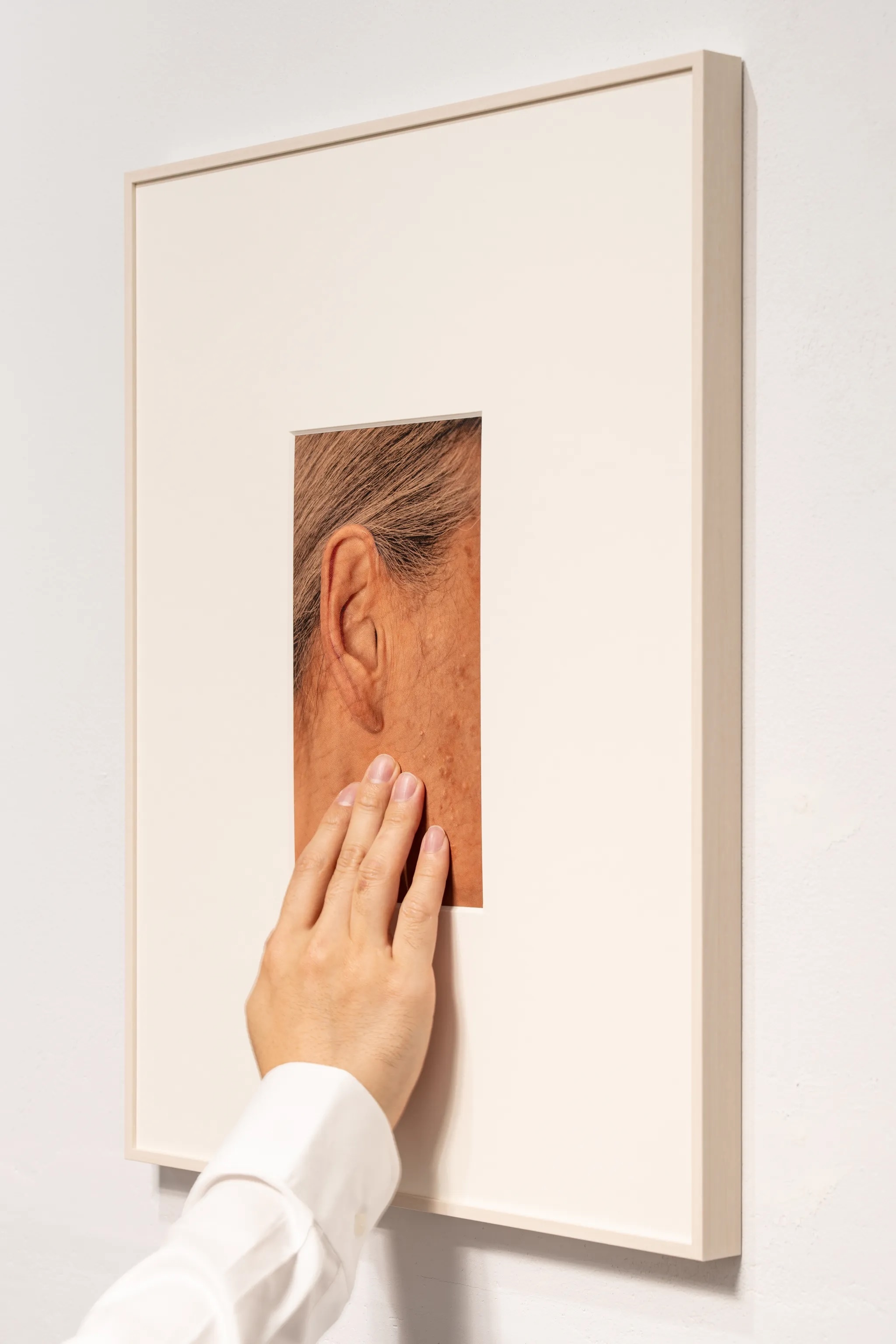
In this work, viewers can touch the photographs. Since the pandemic, touching has been avoided, hesitating to touch has become normal, and feelings of Touch Starvation (stress and loneliness due to lack of physical contact) have become widespread. As a result, not experiencing active contact frequently during childhood may affect development. The contact experience of touching and being touched is indispensable for human survival. However, many photographic works do not allow touching, treating the act itself as taboo. That is precisely why this work allows viewers to touch, experience, and remember, removing the physical boundary between this medium and the body, preserving as photographs the sensation of touching parents, children, and loved ones that humanity must not forget.
Nishimura Yuma

Yuma Nishimura was born in 1995. Graduated from the Department of Design, College of Art, Nihon University in 2018. Continues creating under the concept of preserving individual existence into the future. Influenced by futurists such as Kevin Kelly and Ray Kurzweil, he develops the benefits and drawbacks of human progress and technological evolution from vague future visions into everyday scenes through photography. By examining internal and external structures, he appeals to viewers regarding the next state of humanity, freed from the relationship between mind and body by clones, AI, and other developments.
