AWRD meets GLOBAL CREATORS" (#AMGC) is a series of articles by AWRD, an open call and co-creation platform for companies, local governments and creators to work together on diverse themes.
Under the theme of "new sensibilities," the series spotlights up-and-coming challengers from around the world who are active in various fields such as design, art, and business, and touches on their creations and activities, the value of public competitions, and the unique culture of their countries.
This time, OpenHeart Inc., developer of the proprietary 3D engine "TAVIO," will be presenting its core message of "opening up a future in which 3D is commonplace and can be touched by anyone in everyday life. With the core message of "opening up a future where 3D is commonplace to everyone," OpenHeart transforms spatial computing technology from a "special technology" to an "everyday experience," and designs new lifestyles in which 3D comes alive.
We will hear about OpenHeart's thoughts and challenges.
ー What motivated you to release TAVIO?
Until now, 3D generation required special equipment and was something that could only be handled by so-called technology enthusiasts. We developed TAVIO because we wanted to make it a technology that more and more people could use as a matter of course.
Photography and video were originally special technologies as well, but now they have become media that everyone uses on a daily basis. We believe it is the turn of 3D to become popular.
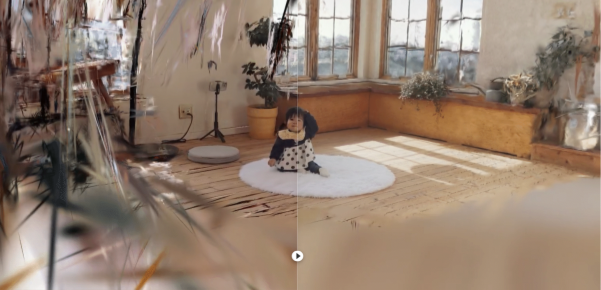
The experience of recording an entire space and being able to view it later as if you were reliving it is the unique appeal of 3D. We are aiming for a world where people can use 3D in their daily lives without specialized equipment or advanced knowledge.
ー Could you tell us about the features of the technical core of your service, such as the 3D generation technology, and the value they create?
TAVIO ENGINE is characterized by its ability to generate high-quality 3D space even from a small number of images. Generally, a large number of images are required for 3D generation, and it is necessary to install multiple cameras or acquire a large number of frame images by shooting video.
TAVIO ENGINE uses a proprietary algorithm to generate stable 3D even with a small number of images. 3D photography, which used to require special equipment, can now be realized with more compact equipment, making it a familiar experience.
ー Please tell us about some of the most impressive application scenarios and examples of use.
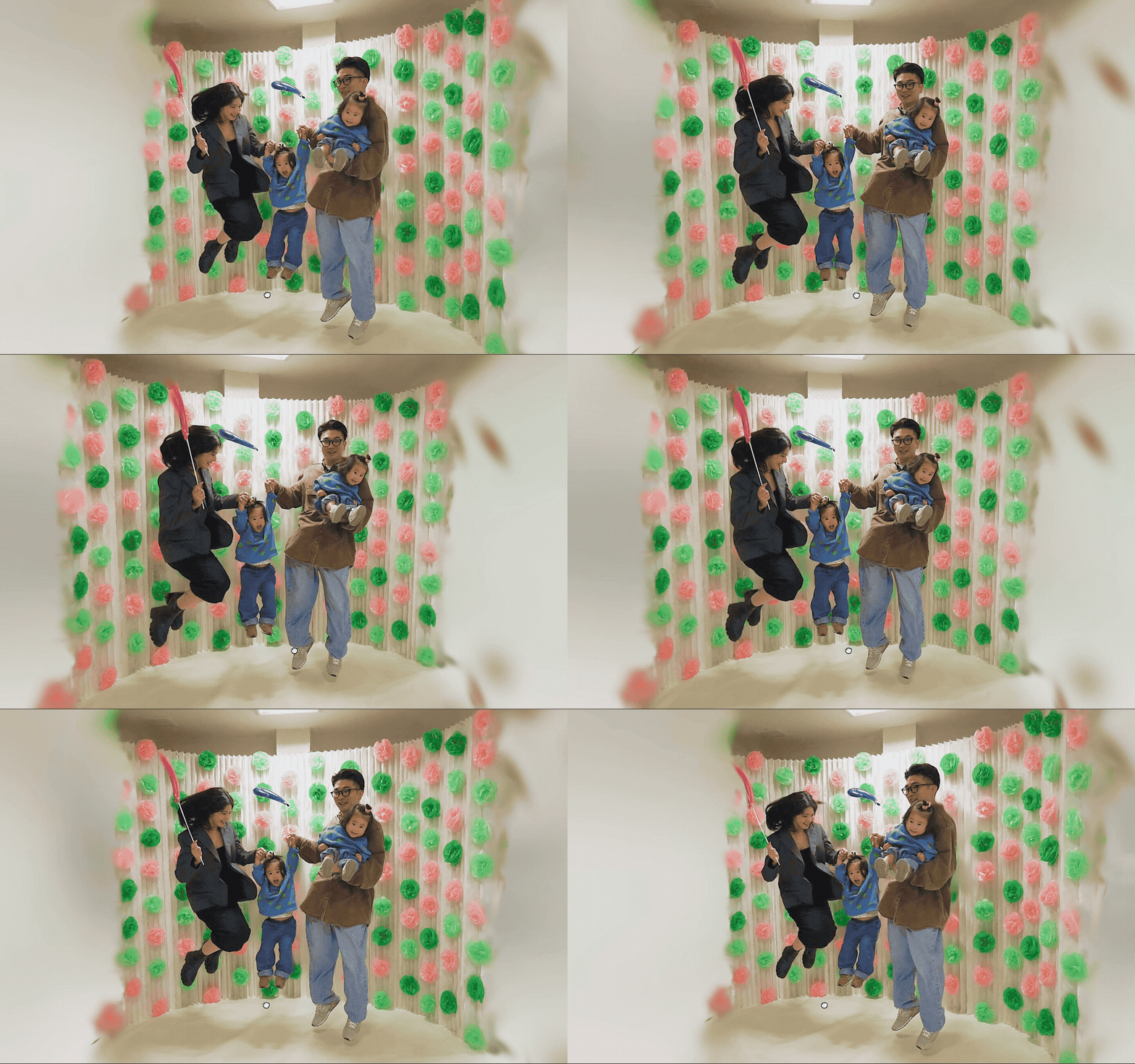
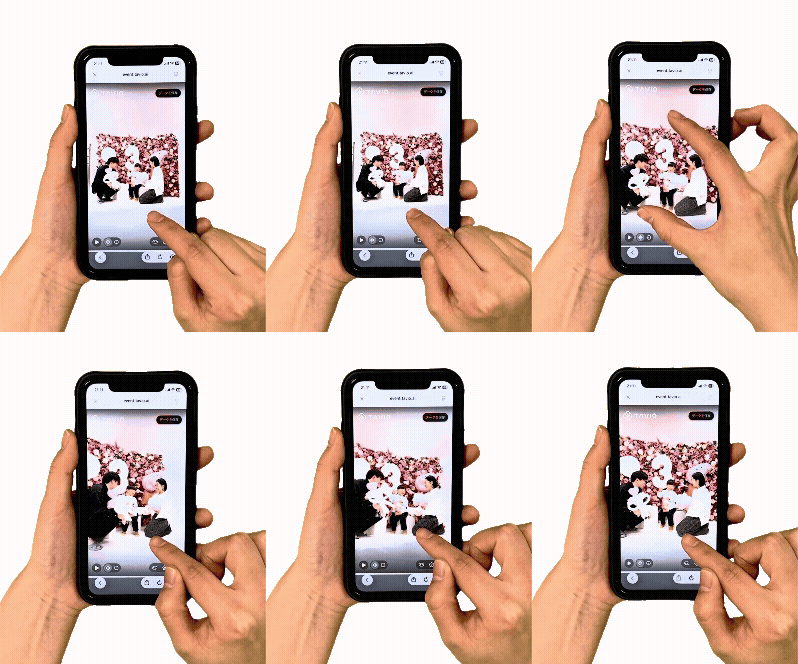
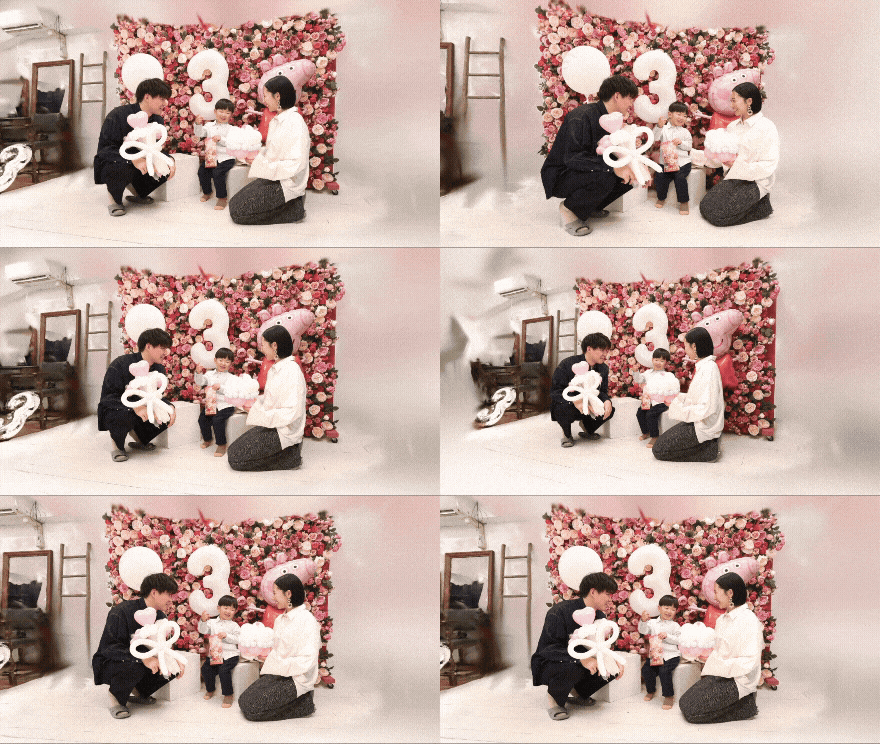
One of the most impressive examples was a case in which a child's 3rd birthday photo was taken in 3D. 3D photos can record the entire space, even the way the family naturally looks at the child instead of at the camera. In conventional photos, everyone looks toward the camera, but with 3D, the relationships and atmosphere of the scene remain.
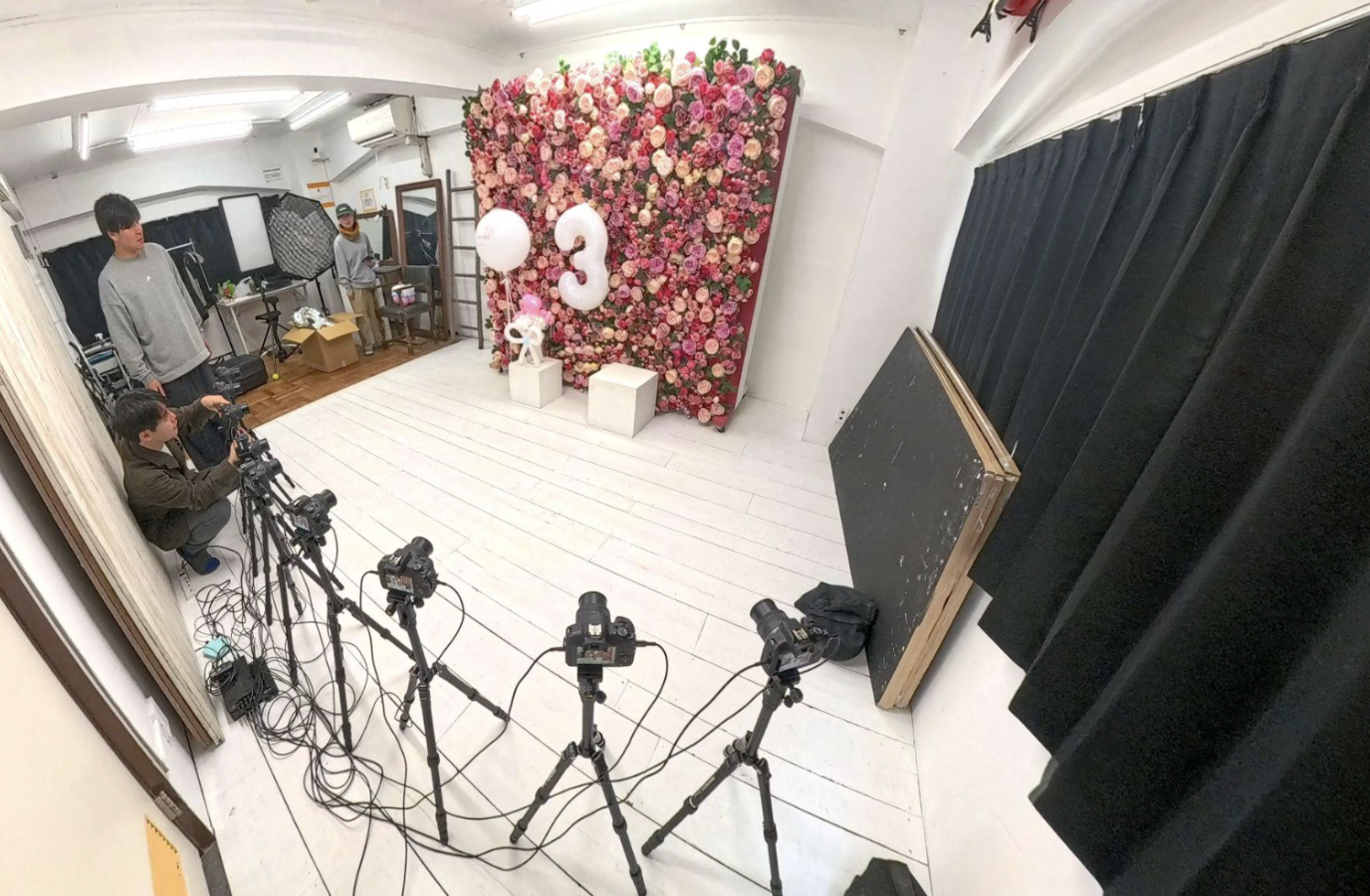
TAVIO ENGINE can produce a small number of shots, making it possible to record natural moments with a compact set-up.
I believe this is an example of the appeal of 3D photography, which is different from both photography and moving images.
ー Photography captures a moment in time, but 3D photography preserves the image of "existence" itself. What do you think about the future of recording and archiving?
Photography and 3D are the same media in that they both record a certain moment in time. However, the main difference lies in the viewing experience.
With a photograph, the viewer looks back on memories through a composition determined by the photographer, but with 3D, the viewer experiences the space by moving his or her own point of view. In other words, it is a highly participatory medium in which the viewer actively explores the space and reconstructs its meaning.
To borrow a phrase from McLuhan, 3D is a hot medium in the sense that it contains more information than photographs, but it is also a cool medium in the sense that it allows the viewer to participate in the viewing experience.
I feel that the future of archives will not only increase the amount of information, but also the way in which those who experience the record itself will become more narrative in nature.
ー What direction do you plan to take "TAVIO" in the future?
We would like to provide society with the option of preserving important moments in one's life in 3D. As a first step, we will start by offering a 3D photo booth, and thanks to TAVIO ENGINE, the hurdles to 3D photography have been lowered, making it possible to take 3D photos in situations that were previously difficult. Moreover, TAVIO's web platform allows users to view and share 3D images in their browsers.
The first step is to use the photo booth to capture life milestones such as birthdays, weddings, and graduations, as well as the best moments at live concerts and guess-what events, in 3D, and let people know about the experience. We would like to take the next step and expand the culture of people who want to try taking 3D photos themselves.
ー What are your thoughts and aims regarding user communities and how to engage with users through SNS?
We believe that 3D photography, like photography and video, is a medium that accompanies people's natural desire to preserve precious moments and share them with others. On the other hand, we do not want to make all 3D photos public. There will be an increasing number of private 3D photos that people want to share only with family members and semi-private 3D photos that people want to share only with their close friends.
Also, since 3D is a medium that records an entire space, a new sense of privacy will emerge, such as "I want to share, but I don't want to show this angle.
We would like to promote a community design that users can use with peace of mind, while valuing both the enjoyment of sharing and the security of privacy.
ーPlease tell us about any challenges you would like to take on in the future.
Currently, we are focusing on developing a compact 3D photo booth that enables 3D commemorative photos to be taken at high-momentum scenes such as graduation ceremonies, weddings, live concerts, and guessing games.
This is an initiative to set up a photo booth in a corner of a venue and have people experience 3D photography on the spot. Currently, professional staff members take the photos, but we hope to develop this into a system that more people can use in the future.
Our big challenge for the future is to expand the culture of preserving various life moments in 3D.
OpenHeart Inc.
OPENHEART is a startup that transforms spatial computing technology into a familiar experience that anyone can use, centered on its proprietary 3D engine, TAVIO. Through the power of technology and design, we are transforming 3D from a "special technology" to an "everyday experience. We are designing new lifestyles where 3D comes alive.
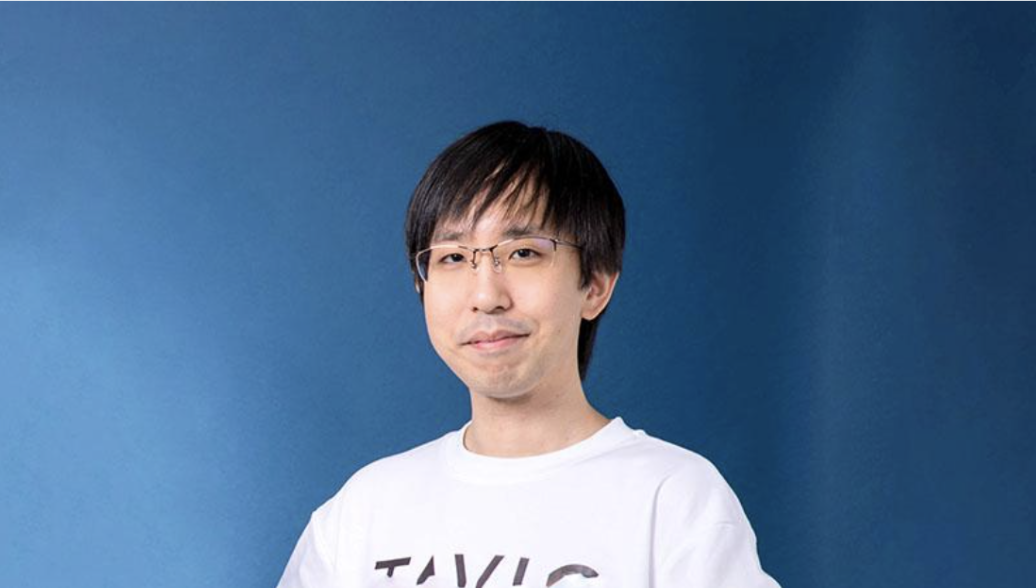
Yasunori Sannomiya, Co-founder, Director, CDO: Chief Design Officer
Links
Company Website: https://openheart.co.jp/
Website:https://tavio.ai/
Instagram:https://www.instagram.com/tavio.ai/
Editing: AWRD Editorial Department