AWRD meets GLOBAL CREATORS ( #AMGC ) is an interview series by AWRD, an open call and co-creation platform where companies, municipalities, and creators collaborate on diverse social and creative challenges.
Under the theme “New Sensibilities,” the series spotlights emerging creators from around the world working across art, design, business, and beyond. Through conversations about their creative practices, the value of open calls, and the unique cultures that shape their work, the series explores new ways of thinking and making.
This edition features Momoko Noguchi, an artist whose practice traverses sound, the body, and technology to investigate perception and communication. Her work spans instrumental and electronic composition, sensor-based improvisational performance, and interactive installations.
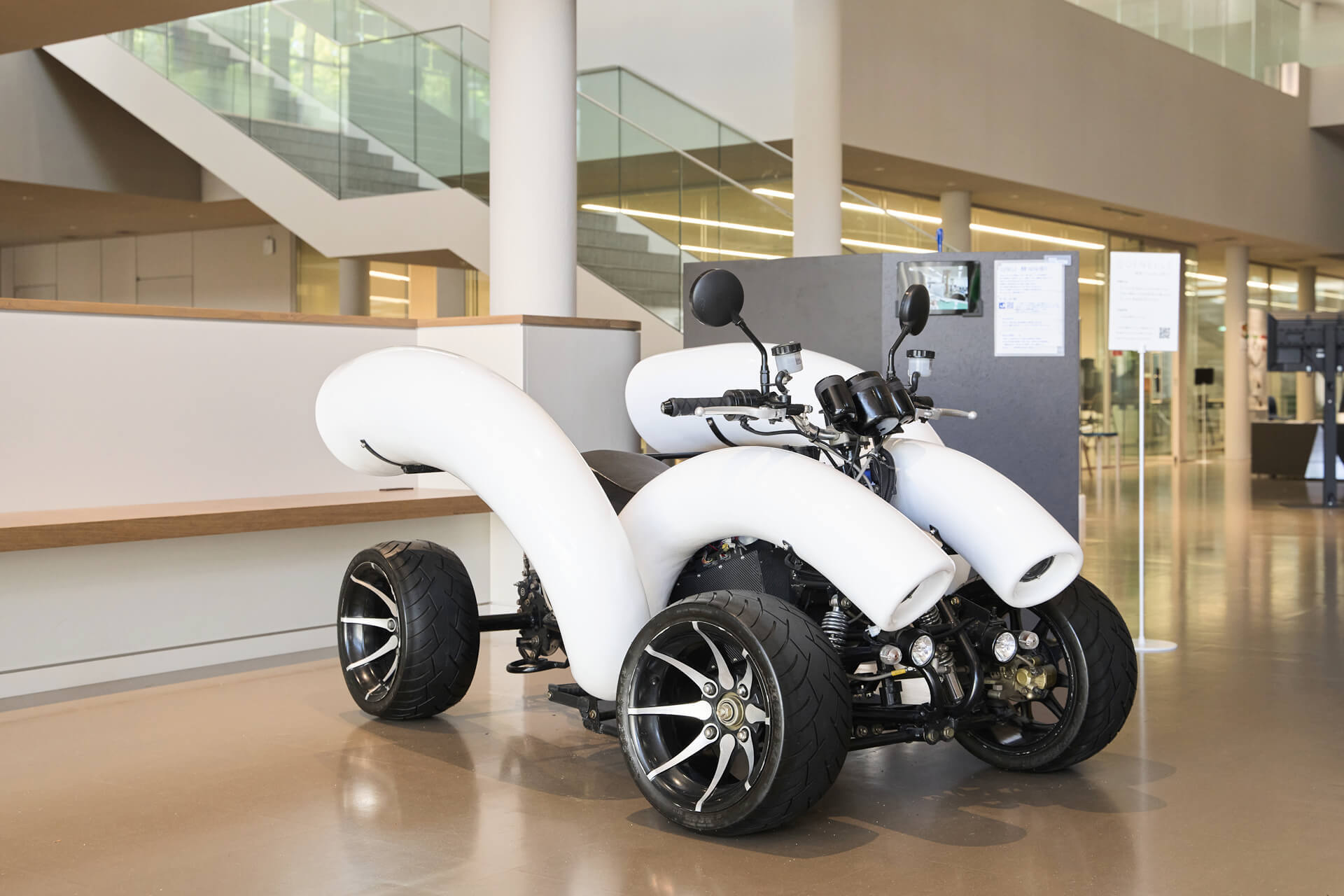
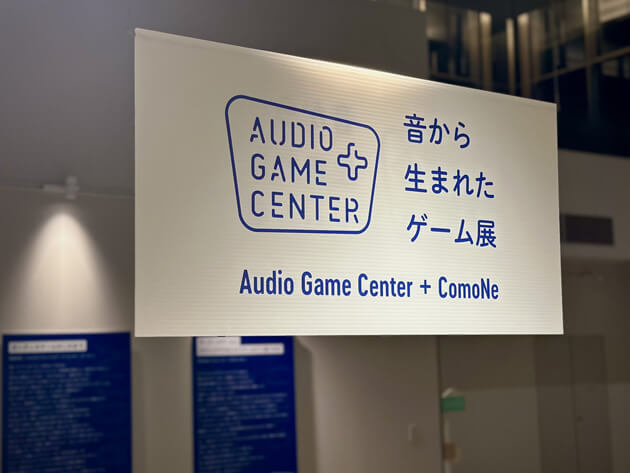
Among her best-known works is QUENELLE, a small electric vehicle that detects the rider’s heartbeat and transforms it into sound, light, and vibration. The project was selected for ComoNe Program #02: Hello Human! Noguchi also participated in the accompanying exhibition Audio Game Center + ComoNe: Games Born from Sound, where she co-created and exhibited an audio game developed through the program’s hackathon.
In this interview, she discusses the origins of QUENELLE, what she discovered through the ComoNe Program, and the possibilities of creating across disciplines.
— Your work moves across themes such as bodily perception and the relationship between humans and technology. Could you tell us about the experiences that first drew you to these subjects?
I originally began my creative practice as a composer of contemporary music. While studying at a conservatory in France, I was introduced to programming, and I became fascinated by creating systems that operate in the physical world. That led me to pursue graduate studies in the Netherlands, where I studied ArtScience.
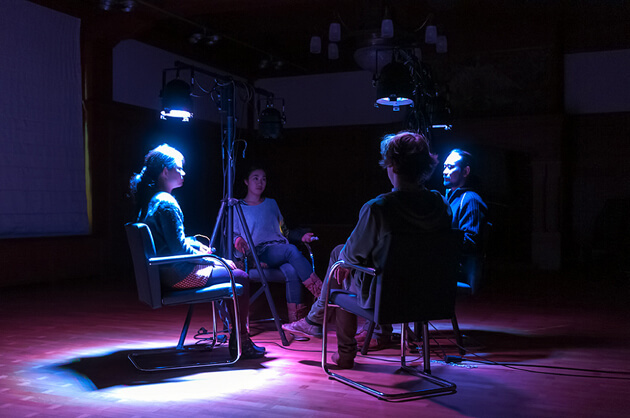
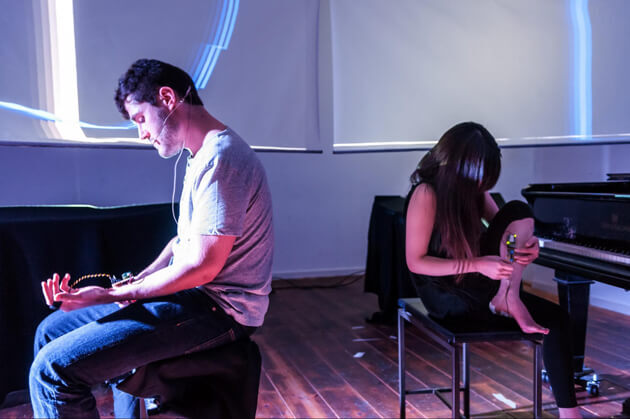
Around the same time, I experienced hearing loss after being exposed to an unexpectedly loud sound from studio speakers. That became another formative experience. Wanting to understand what was happening inside my own body, I began wearing various sensors and incorporating them into both everyday life and improvisational performances. From there, my practice gradually expanded into multimodal works that engage senses beyond hearing alone.
— How did participating in the ComoNe Program influence your creative practice or way of thinking? What did you gain from collaborating with researchers and people from other fields?
My dialogue with researchers actually began before joining the ComoNe Program. We had been discussing questions such as whether agency can exist within inorganic objects like electric vehicles or musical instruments, and whether sharing a human heartbeat might change our perception of those objects. Encountering theories and concrete examples from disciplines different from my own helped those questions become increasingly precise.
What struck me most about ComoNe, however, was the opportunity to create alongside people with vastly different backgrounds. There were participants who perceive the world through senses other than vision, students studying engineering and game design, UX designers, and many others. By bringing together our different perspectives while thinking seriously about accessibility, I found myself creating a game for the very first time.
— The current ComoNe exhibition, Audio Game Center + ComoNe: Games Born from Sound, proposes new experiences through sound. What should visitors pay particular attention to?
One of the works currently on display, Echolocation Maze: Find the Cat, is an audio game we created during a two-day hackathon at ComoNe. Audio games are games designed entirely through sound, without visual information.
Our team included a systems engineer named Kato, who is completely blind. As we walked through the ComoNe building together, he explained how he understands space through the reflections of sound—a perceptual ability known as echolocation. That conversation became the foundation of the game.
Even after the hackathon ended, Kato and I continued exchanging audio recordings and eventually composed a piece together for piano and bass. When players complete the game, the music begins to play, so I hope everyone will successfully catch the cat and hear the ending.
The collaboration didn’t stop there. After hearing the music, another member of the ComoNe crew said, “I want to join on violin!” I think that kind of spontaneous co-creation is one of ComoNe’s greatest strengths.
— QUENELLE is a collaboration between an artist and an engineer. How does collaborative creation differ from working alone?
The engineer I’ve worked with on QUENELLE for many years and I genuinely enjoy our differences in thinking. In fact, when we first developed the project, we had quite a disagreement over one question: Why should the vehicle wriggle?
From an engineering perspective, the movement had no functional or performance-related purpose. But that distinctive form became precisely what made QUENELLE unforgettable. It allowed people to connect with the work emotionally, and I realized through their reactions that some forms of value simply cannot be measured by rationality alone.
In collaborative practice, I’m always conscious of designing the boundary between what I determine myself and what I entrust to others. In a way, it resembles designing the relationship between an interactive artwork and its audience. Rather than controlling everything completely, I intentionally leave space for unexpected developments to emerge through other people’s participation.
— QUENELLE transforms heartbeats into sound, light, and vibration, redefining the relationship between people and vehicles. What do you imagine as an ideal relationship between humans and machines?
In QUENELLE, sharing the rhythm of a human heartbeat with the vehicle evokes a feeling of bodily extension—as if the car becomes part of one’s own body.
It’s not simply that humans control machines. The vehicle responds, and through that exchange, the human changes as well. Perhaps it’s a contemporary reinterpretation of the Japanese concept of jinba ittai—the sense of rider and horse moving as one.
During test rides, I often hear people say things like, “I hope it doesn’t get wet in the rain,” or “It’s probably time to recharge it.” Rather than a one-sided relationship of operating a machine, I’m interested in relationships where interaction transforms the human participant too. That feels like an ideal future.
— Is there a visitor response that has stayed with you? Has someone’s interpretation ever changed how you see your own work?
At ComoNe, there’s a space where visitors respond to artists’ questions by writing on sticky notes.
For my question, “Does sharing a heartbeat change the relationship between people and tools?” someone wrote, “So this is the true identity of MYAKU-MYAKU.” It made me laugh immediately.
Another unforgettable moment came in response to the exhibition’s broader question, “What does it mean to be human?” Among the notes, I found the phrase: “The spirituality of inorganic matter.”
The words struck me like lightning. They opened up countless images in my mind, and I found myself sitting with the idea for quite some time. Encounters with language like that may well become the starting point for my next work.
— What challenges or projects would you like to pursue next? Please also share any upcoming events.
The relationship between human perception, bodily extension, and our connections with inorganic objects is something I hope to continue exploring. I’d love to deepen these investigations through dialogue with people from different disciplines and experiences, allowing them to grow into new collaborative projects.
This autumn, I’ll be participating in three events:
September 5, 2026 (Sat.) | 2:30–4:30 PM Common Nexus BRANCH7 (Outdoor Special Lane)
QUENELLE: A Small EV Connecting the Senses Workshop & Test Ride: Listening to the Sounds Inside the Body
September 12, 2026 (Sat.) | 2:30–4:00 PM Common Nexus Grand Staircase
ComoNe Program #02 Talk Session Responding to Calls from the Future: What Will “Human” Mean?
Speakers:
- Kohei Ogawa (Theme Owner, ComoNe Program #02 / Associate Professor, Nagoya University)
- Momoko Noguchi (Artist & Exhibitor, ComoNe Program #02)
- Ahmed Arian (Exhibitor, Young Muslim Windows: Crossworks of Art and Scholarship) and others
Details & Registration: https://hellohuman-aftersession.peatix.com/
October 16–17, 2026 AICHI NEXT Performing Arts Project Aichi Arts Center, 2F Forum
Exhibition and improvised performance of Heart Tone Piano: Revivify 236283, an interactive work connecting heartbeat and piano.
Details : https://www-stage.aac.pref.aichi.jp/event/detail/20261016challengestagea.html
Momoko Noguchi
Momoko Noguchi is an artist whose practice encompasses instrumental and electronic music composition, sensor-based improvisational performance, and installation art.
Working across sound, the body, and technology, she explores welfare, wellbeing, multisensory communication, and collaborative projects that reimagine how people perceive and connect with one another.
Links
Instagram:https://www.instagram.com/momokonoguchi/
Website:https://www.momokonoguchi.com/
Editing: AWRD Editorial Department