"AWRD meets GLOBAL CREATORS" (#AMGC) is a series from "AWRD," a public call and co-creation platform where companies, local governments, and creators collaborate on diverse themes.
Under the theme of “New Sensibilities,” this series spotlights up-and-coming global innovators active in various fields—including design, art, and business—to explore their creative work, activities, the value of open calls, and the unique cultures of their respective countries.
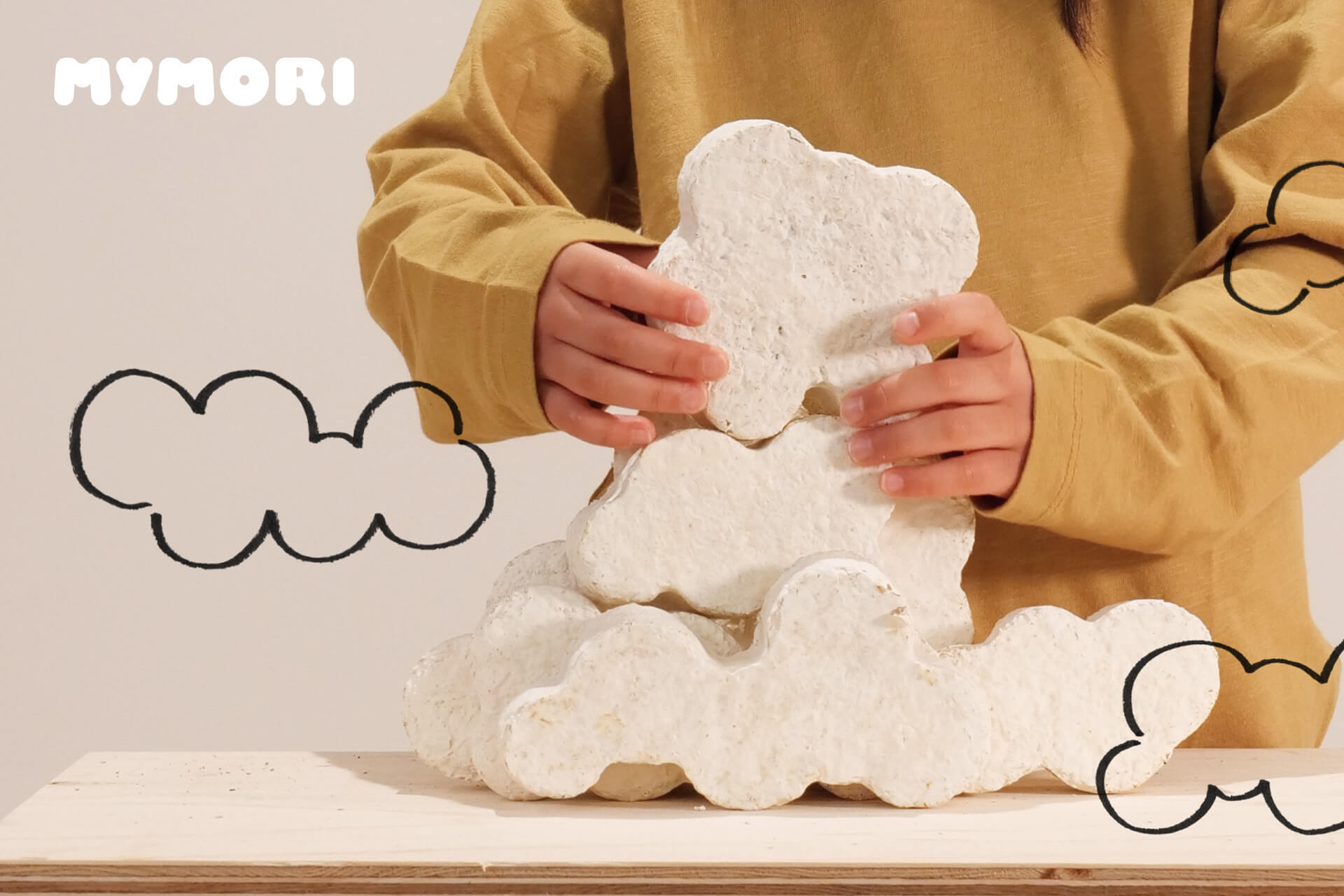
Our guest this time is Gabun Ko, creator of "MYMORI," a growing toy that uses mycelium—a "living material"—to create experiences that allow people to engage with nature through play.Her unique approach has been widely recognized: in 2023, she received the Grand Prize at the Good Design New Hope Awards, and in 2025, she was selected for the “ComoNe #01 COMMON NEXUS” project held at “ComoNe,” a co-creation hub operated by the Tokai National University Organization and located on the Nagoya University campus.
How did this initiative—which spans product design, education, and environmental awareness—come about, and where is it headed?
In this interview, we asked about the background of the launch, the insights gained from participating in the awards, and the subsequent response.
— Please tell us what inspired you to launch “MYMORI” and what your formative experience was.
MYMORI started as a small project in a university break room.
It all started when a member of my university seminar first told me about mycelium. When I actually tried growing it myself, the moment I opened the bag, I was greeted by the scent of a forest, and the process itself felt similar to cooking or tending a home garden. The unique, fluffy texture of the finished product really stuck with me.
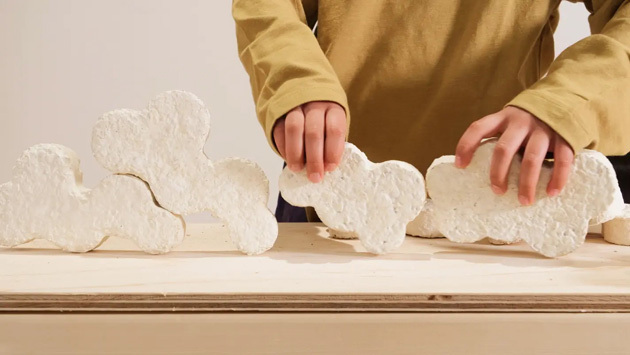
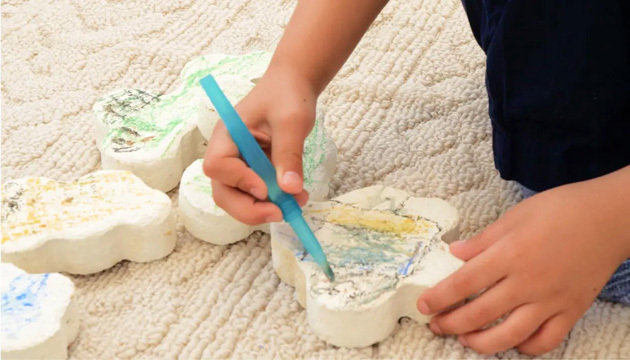
Mycelium is often highlighted as an alternative to plastic, but from my experience growing it, I sensed potential beyond that. As I explored ways to create a form that would foster a sense of attachment to the material itself, I arrived at the idea of “toys.”Children touch it with their bare hands, grow it, and play with it. I believed that by designing the entire process, a natural attachment to the material would develop.
— What challenges and unique aspects do you find when working with mycelium, a “living material,” compared to conventional product design?
We faced various hurdles, such as manufacturing and shipping living organisms, but the biggest challenge was how to communicate what MYMORI actually is. Since it’s a product not yet recognized in the market, we receive many concerns and questions from users, such as “Will mushrooms really grow?” “Will the toy last?” and “What exactly is this thing?”We experimented with various ways to communicate the product in a way that would be easily accepted by users, as well as ways to ensure they could successfully grow it at home. This has been our top priority since we first started developing MYMORI.
— How did participating in “ComoNe #01 COMMON NEXUS” impact your activities?
We aim to make MYMORI feel more accessible and reach a wider audience. Until now, we’ve had few opportunities to showcase the actual product, so being able to exhibit it long-term at a university—an educational setting—through “ComoNe #01 COMMON NEXUS” felt very meaningful to us. I believe this will serve as an opportunity for a more diverse range of people to learn about MYMORI and reflect on it.
— As you transitioned from presenting and exhibiting at ComoNe to developing your work into actual products, what was the biggest hurdle?
This was my first experience with a long-term exhibition like the one at “ComoNe.” At first, I was very worried about whether the MYMORI product itself could withstand the various risks during the exhibition period—would it develop mold, discolor, or last until the end?
Also, since I believe the process of how they’re made—not just the finished products—is the greatest value, I presented them in the form of experiential videos at the exhibition to ensure that appeal came across clearly.
— What significance did you find in participating in awards (including ComoNe)? Also, how did the reactions of those around you and the project itself change after winning the award?
Professor Nobuya Suzuki, a member of the ComoNe project selection committee, commented that “the combination of a scientific perspective and artistic expression is unique” and that “connections across diverse fields are anticipated.” This made me realize the potential of the work in ways I hadn’t even noticed myself.Standing alongside creators from different fields broadened my horizons, and being able to direct people who wanted to see the actual product to the exhibition venue created a direct connection with users—a welcome change.
— What kind of changes do you hope “MYMORI” will bring to users’ values and lifestyles?
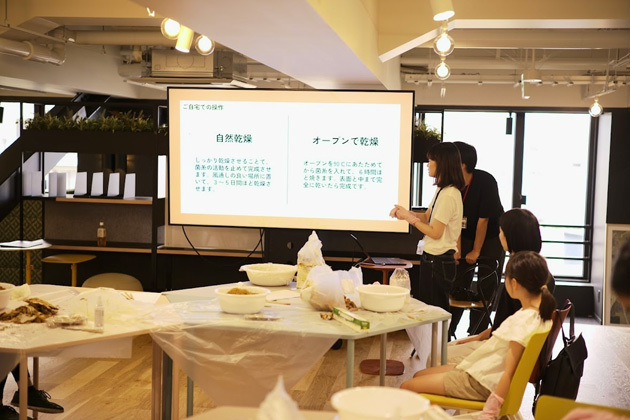
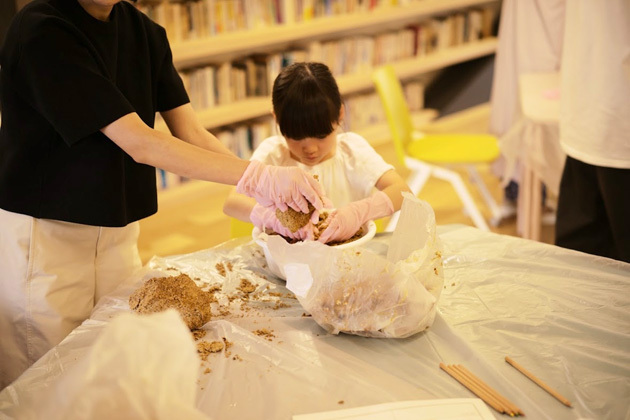
The term “biomaterials” may still sound somewhat distant, but when you try growing mycelium with your own hands using the MYMORI kit, that distance shrinks significantly.Smelling the scent of the forest, observing the white growth every day, and playing with blocks they’ve made themselves. I believe that children who go through these experiences will come to know biomaterials not as “knowledge” but as a “sensation.” Our underlying desire is to make biomaterials more accessible through hands-on crafting experiences and to restore the relationship between materials and people within a modern context.
— Could you tell us about any challenges you’d like to take on in the future?
The exhibition at ComoNe was an incredibly valuable experience. Moving forward, we hope to increase the number of opportunities to convey the appeal of our products to users in person. We feel that exhibition spaces where people can actually pick up and touch the products allow us to convey the appeal of the materials in a way that simply cannot be achieved online.
Beyond toys, I’m also looking to collaborate with educational institutions, local communities, and businesses, as well as explore new product categories using mycelium materials.
I’ve just recently gone independent. Building on the principles I’ve cherished at MYMORI—"bringing a sense of playfulness to daily life" and "designing a connection to materials and experiences"—I want to continue creating new projects without being limited to mycelium.I see MYMORI as just the first of many such projects, and my goal moving forward is to develop initiatives rooted in the same spirit in various forms.
MYMORI
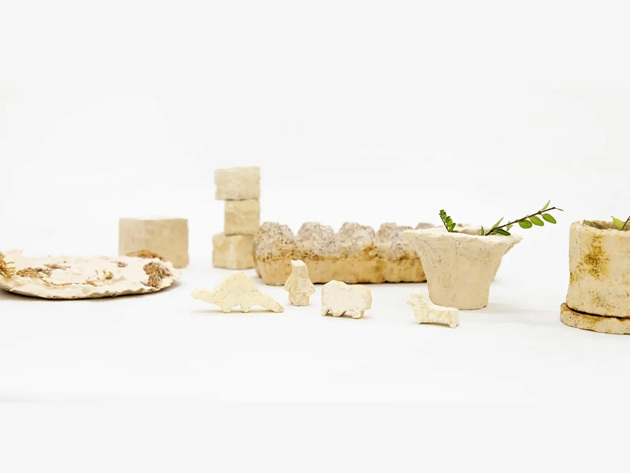
By leveraging the diverse properties of mycelium—a biodegradable material—we explore its potential to become an integral part of daily life through the power of design. Through “MYMORI, the Growing Toy,” we place great importance on helping children feel the importance of nature while playing and fostering environmental awareness. By focusing on materials and providing products that can be enjoyed with peace of mind, we hope to contribute to supporting a sustainable future.

Links
Instagram:https://www.instagram.com/mymori_project/
Website:https://my-mori.com/
Editing: AWRD Editorial Department