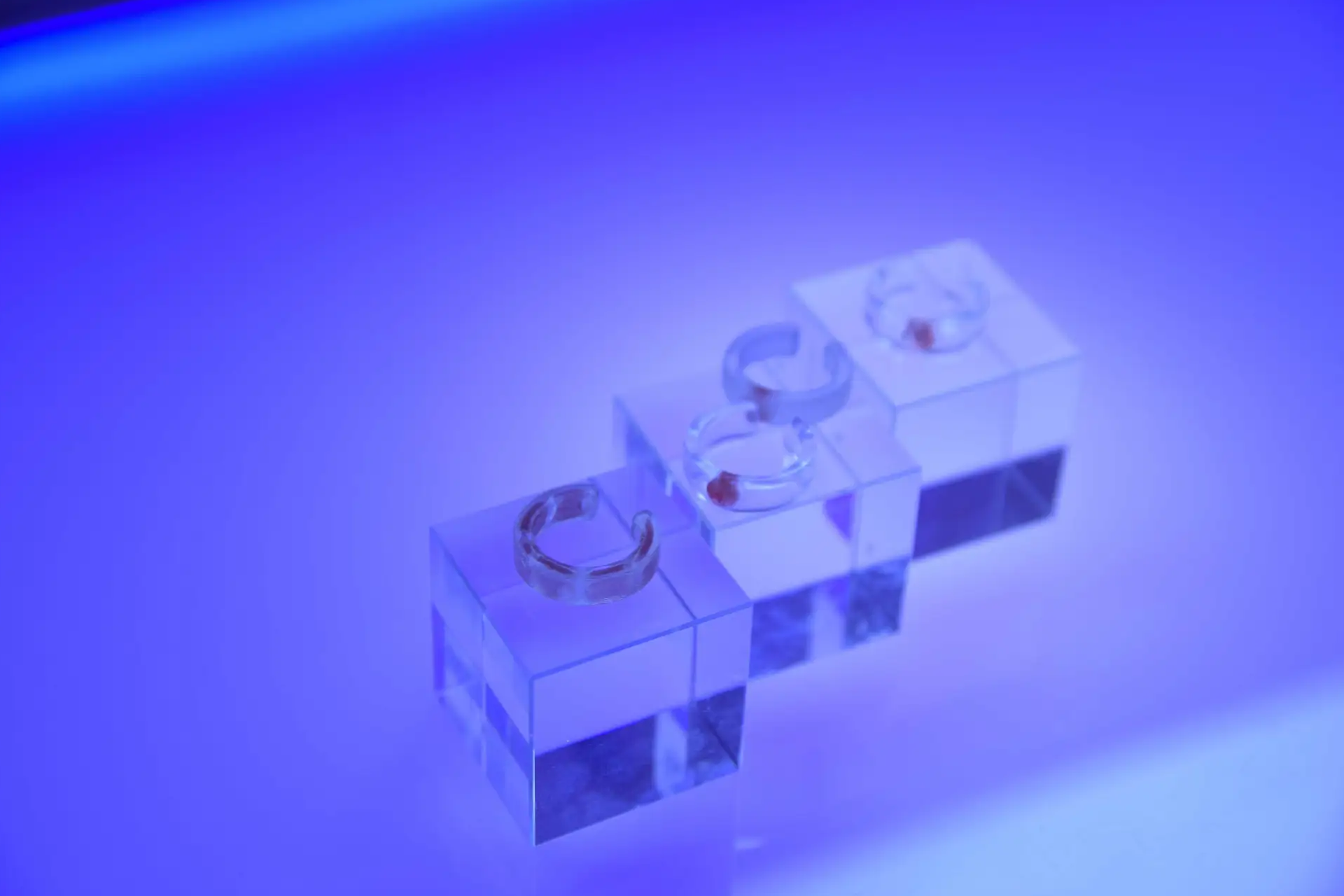
AWRD meets GLOBAL CREATORS" (#AMGC) is a series of articles by AWRD, a public solicitation and co-creation platform for companies, local governments and creators to work together on diverse themes.
Under the theme of "new sensibilities," we will spotlight up-and-coming challengers from around the world who are active in various fields such as design, art, and business, and touch upon their creations, activities, the value of public competitions, and the unique culture of their countries.
The featured speaker is Ryuto Kawamata, founder of biotech startup PxCell Inc. While working on product development and research with cells as the starting point, the company is creating a new mechanism to connect personal values such as memories and thoughts with society.
In this article, we interviewed him about his original experience behind the birth of PxCell, the source of his cross-disciplinary ideas, and the challenges he foresees for the future.
PxCell's philosophy of "creating a society that connects people's thoughts and feelings with cells," what kind of society do you envision in concrete terms? I assume that the choice to "handle cells" required a strong determination before the technology.
The society we envision is one in which cells are treated not only as "technological objects" but also as "entities to which we can entrust our thoughts and feelings. Life technologies such as designer babies and brain-machine interfaces are advancing irreversibly, and the question is not whether to stop them, but rather what kind of relationship can be designed on the premise that they will happen. In this context, we wondered if we could be with a part of someone in their living time, just as we hold their ashes after death. I believe that the cell is the smallest and largest unit that can touch the boundary.
PxCell crosses the boundaries of fashion, art, science, and all other genres. How does the fusion of these genres manifest itself in your products and experiences?
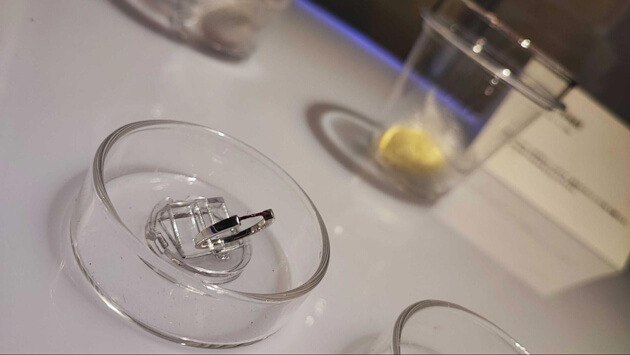
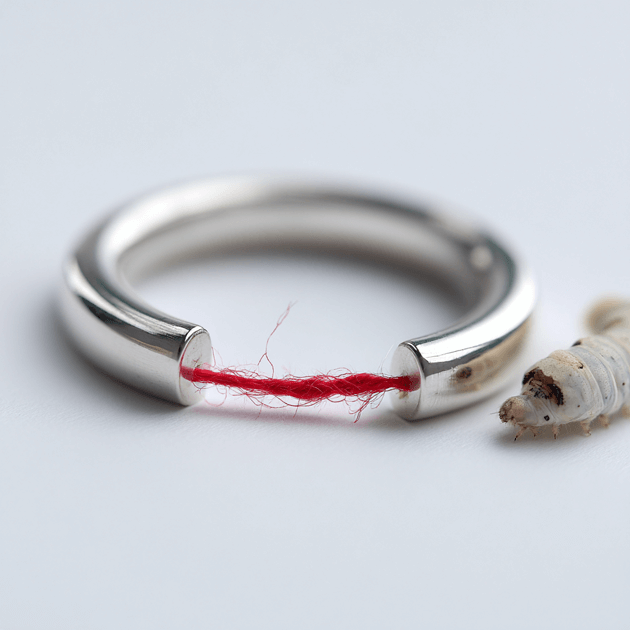
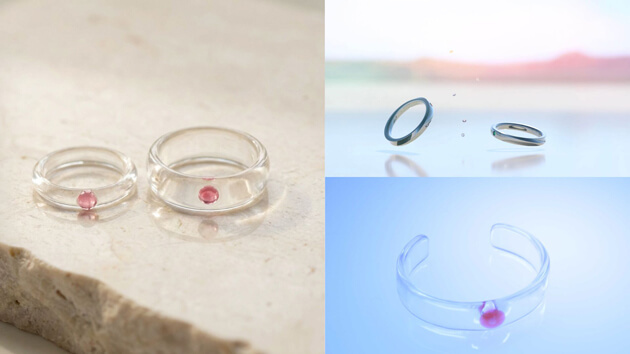
PxCell's products and experiences are designed to be both scientifically accurate and to simultaneously launch the sensory and physical experiences of fashion and art. The unique feature of PxCell is that it is structured from the starting point of how people touch and feel, rather than putting technology in the foreground.
Behind this is my experience of being born into a family of medical professionals and applying to medical school, my graduation project at Kanazawa College of Art in 2019, and my knowledge of media art cultivated at the Institute of Advanced Media Arts and Sciences (IAMAS).
In addition, with the support of citizen science communities such as BioClub Tokyo and Shojinmeat Project, 100BANCH, Tokyo Startup Gateway, Shibuya Startup University, and Idetachi Tokyo, I have been engaged in cross-disciplinary practice I was born in Tokyo, Japan. This attitude of not confining oneself to a single field, including the experience of suffering from poor dexterity as a student, has led to the fusion of products and experiences that we have today.
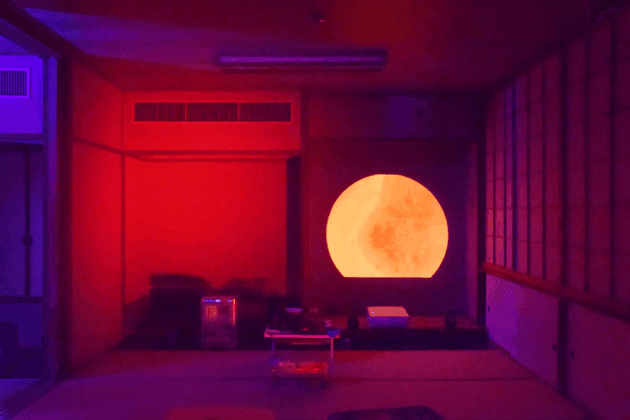
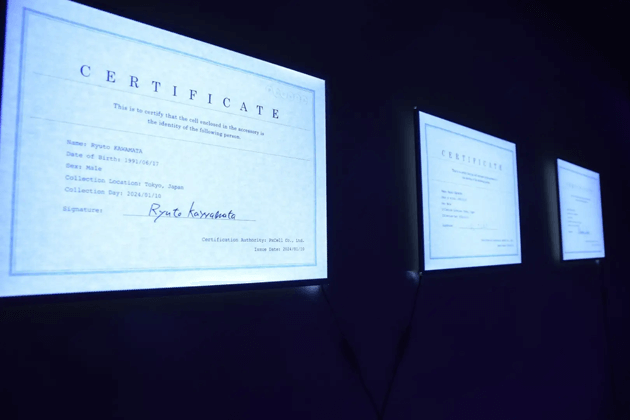
Please tell us about the "updating of the form of feelings" that you are doing through cells. What do you think are the possibilities of wearing memories and remembrances in the form of "cells"?
In 19th century England, there was a culture of "morning jewelry," which was worn with the hair or belongings of the deceased. I believe that there was an attitude of not forgetting the loss, but rather living with it in our daily lives. Even today, the attempt to turn remains into diamonds and pearls is an extension of this feeling.
Cells and DNA are the only things we can take from living time, and at the same time they are the smallest units that make a person who they are.
Our "updating of thought forms" through cells is not to keep memories and remembrances as symbols after death, but to hand them over and renew them as relationships while we are still alive. We believe that the cell can be a new medium for opening our thoughts to the future, containing information and time.

Are there areas that PxCell does not dare to enter because of the accelerating pace of biotech? What is your vision for the future of biotech?
PxCell is cautious about areas where "the weight of life itself will be rewritten" by biotech. We see a future in which life that can be regenerated or replaced will be treated as "something that can be put back together again," and judgments will be lighter.
With cloned pet services being implemented in the U.S. and China, and designer baby startups beginning to emerge, we want to design an attitude of how we face the future before expanding what we can do. We believe that the future of biotech, like AI, will be a trend that will test the maturity of the people who undertake it more than the advancement of the technology.
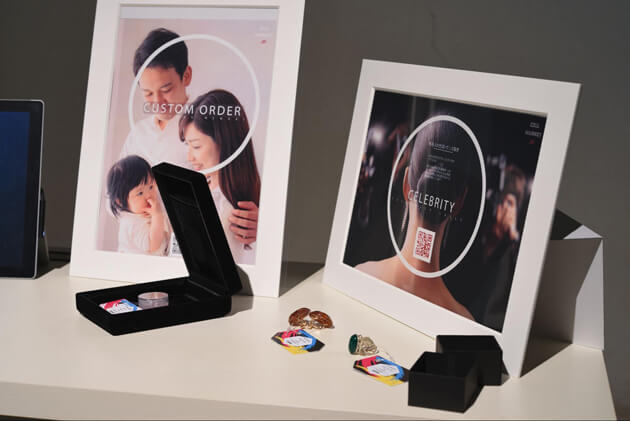
If you were to meet someone new as a PxCell, what kind of question would you like to face?
As a PxCell, I would like to meet someone who sees this world as a kind of virtual world, and has questions that seriously try to decipher its structure. We want to see if there is an attitude of trying to determine what is variable and what is fixed as a constant, rather than assuming a given set of rules and conditions for success. I would like to meet someone who understands and, if necessary, uses the capitalist way of winning, but who, apart from that, can continue to deconstruct the design of the world itself as his/her life's work and ask to what extent it can be rewritten.

What are some of the challenges you would like to take on in the future?
As a brand producer, I would like to take on the challenge of "how to translate the world and launch it as an experience" in terms of both implementation and speculative design, while crossing technology and culture, not limited to biotechnology.
In addition, as a strategic investor responsible for technology acquisition and commercialization in the deep tech domain, I plan to be involved in the acquisition and integration of overseas patents and technology companies.
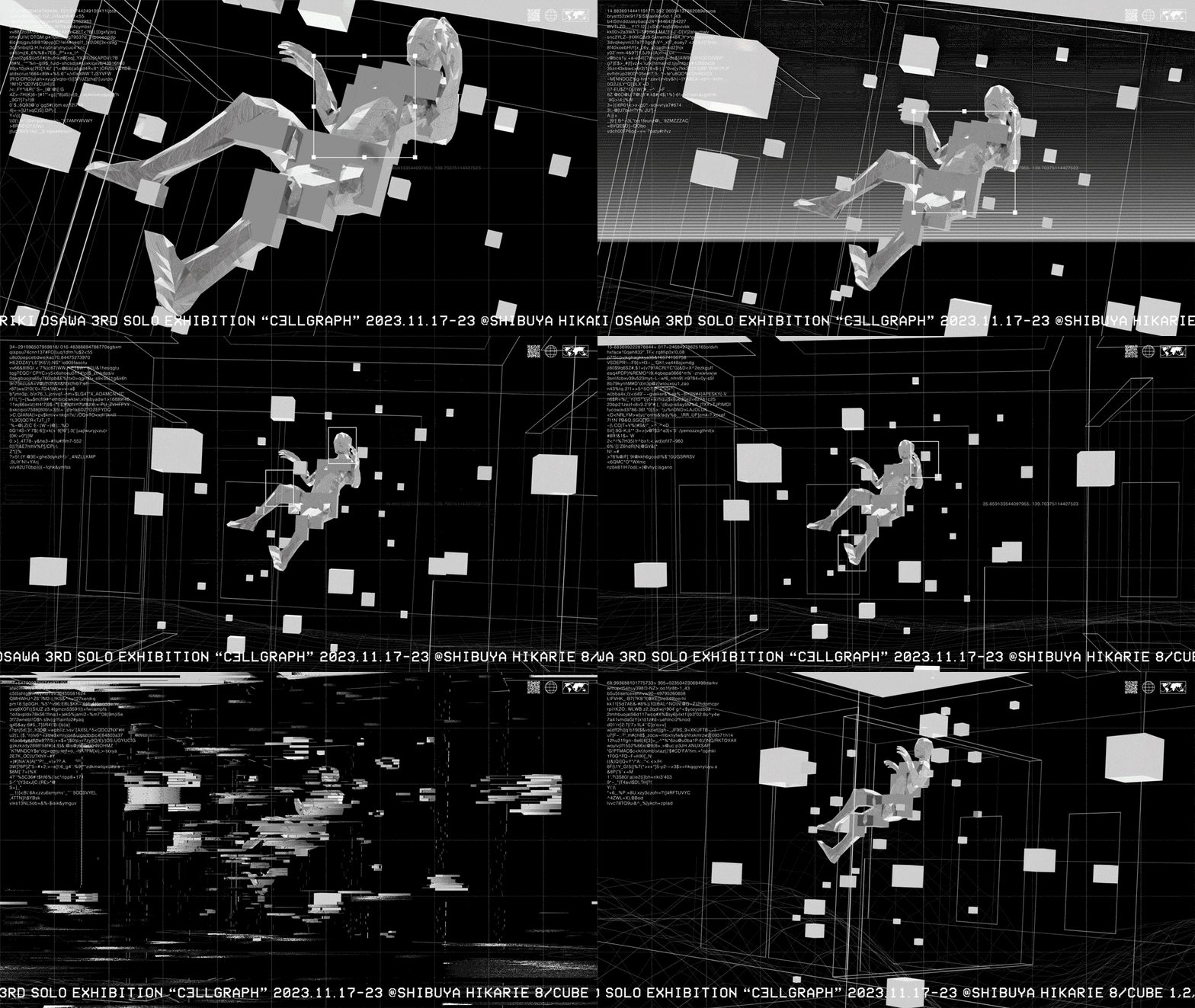
While participating in the implementation side of deep tech in the healthcare and other areas, I will also participate in the "Biohazard" exhibition project that will be developed in the context of DIG SHIBUYA in February 2026, and will make a presentation at Shibuya PARCO. I would like to create a place where we can stand at the boundary between fiction and reality, technology and imagination, and question how people deal with them.
Ryuto Kawamata / President, PxCell Inc. and HAVNA Inc.
Born in Sapporo, Hokkaido in 1991, Kawamata grew up in a family of medical professionals. Graduated from Kanazawa College of Art with a major in sculpture, and completed the master's program at the Institute of Advanced Media Arts and Sciences [IAMAS]. He is the president of PxCell Inc. and HAVNA Inc. He produces brands and artworks while crossing different fields such as biotechnology, fashion, and AI. Through the expression of life and the body, he aims to question the state of society and design a dystopian future.