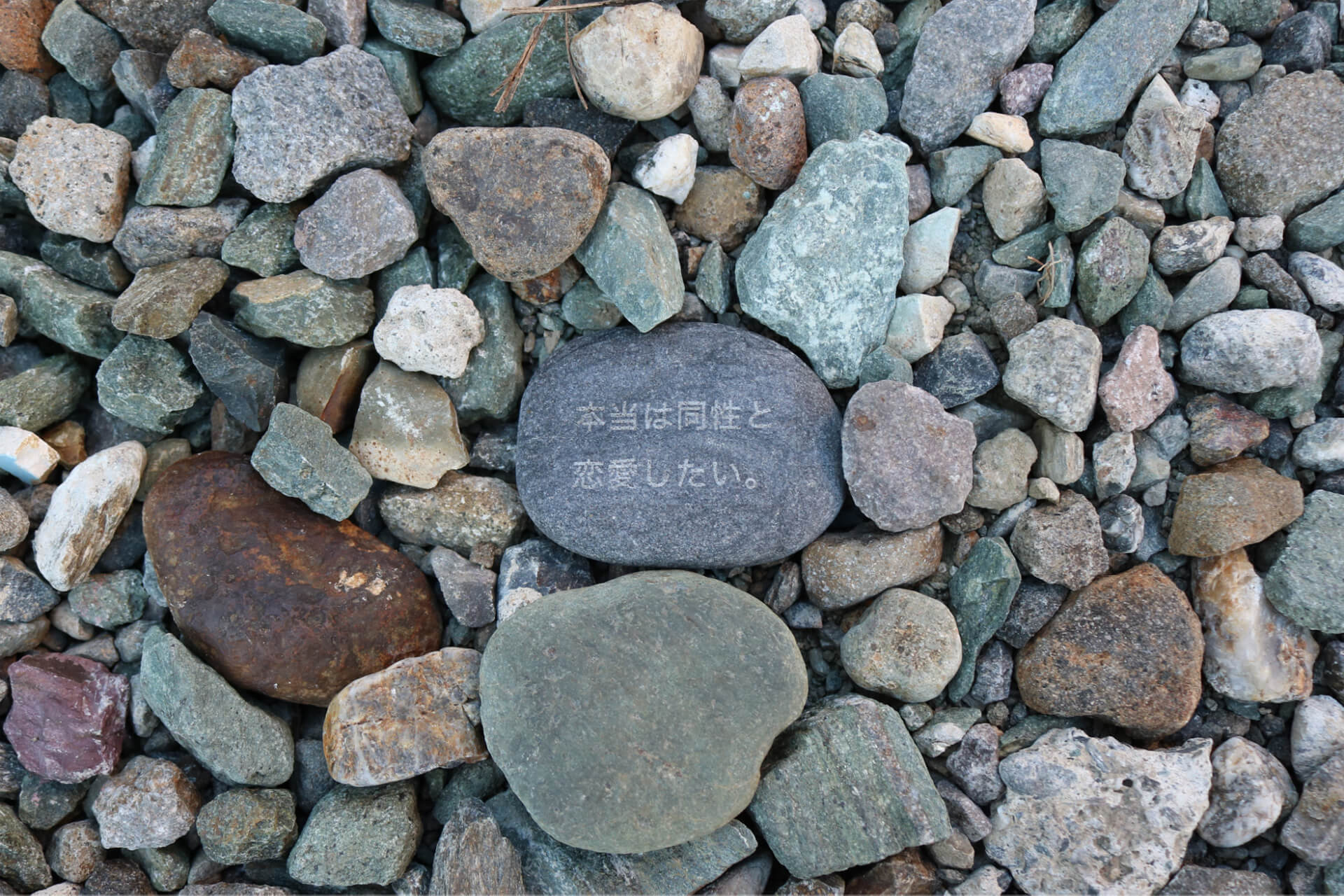
AWRD meets GLOBAL CREATORS" (#AMGC) is a series of articles by AWRD, an open call and co-creation platform for companies, local governments and creators to work together on diverse themes.
Under the theme of "new sensibilities," the series spotlights up-and-coming challengers from around the world who are active in various fields such as design, art, and business, and touches on their creations and activities, the value of public competitions, and the unique culture of their countries.
In Vol. 16, we will feature Milli Watanabe, who works in diverse capacities as an artist, director, and curator. With a critical perspective on media technology and its surrounding environment, she cynically and humorously questions its structure, using a variety of methods including installations, projects, and the Web.
Her activities have attracted increasing attention, including her selection as a finalist in the " ComoNe Program #01," a collection of works and projects from around the world with a cross-disciplinary theme.
We asked her about her current expression with media technology and her future challenges, while unraveling the background of her current interests and production, and collaboration with different fields.
Please tell us how you got started in your current expressive activities. Also, what changes or continuities do you see between your early interests and your current activities?
When I was a child, I read Osamu Tezuka's science fiction books and was fascinated by robots. I was also raised in the early stages of Generation Z. I grew up interacting with the Internet, and it was during this time that my interest in media and technology was born, which I think has led to my current activities.
In my early years, I mainly created spatial installations, but when I was exposed to representational culture theory in graduate school, I began to think more about the primitive nature of media. The root of my interest has not changed significantly since the beginning, but it has been slowly changing in response to the environment of the time.
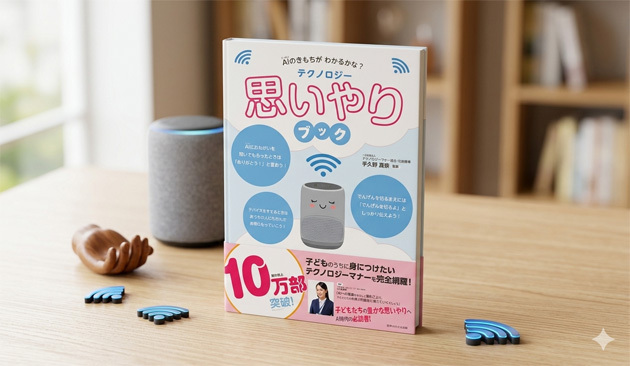
You are active in the field of media technology. What is the theme or question that you are most interested in? What kind of experiences or discomfort did you experience that led you to this question?
I guess my recent interest is "how to reread something fixed by norms from a different place". Media and technology are a means of recording and communicating something, and at the same time, they sometimes fix or reinforce something as a "norm. In contrast, I would like to use the media to paradoxically present an alternative hypothesis of what might be happening in another world, or a world outside of the media.
I started thinking about this when I began to think about the "side I did not choose" in my daily choices (from my occupation to tomorrow's dinner, for example) as I progressed in my career and other areas. By thinking about what would have happened if I had chosen this side, I believe that I can experience the richer possibilities of the world. I believe that this is the best way to experience the world's richer possibilities.
How do you connect your perspective as a researcher and your output as an artist?
I feel that research and expression are not necessarily one or the other, but rather are organically proceeding simultaneously while repeating disconnections, connections, and transformations. However, when dealing with someone's sensitive experience or background, as is often the case in my recent works, I need to make an ethical decision before thinking, "It's interesting material, so I'll make it into a work of art. There are situations in which research should not be easily "converted" into output. I always try to be aware of the balance between whether I should incorporate my research into my work or keep it to myself.
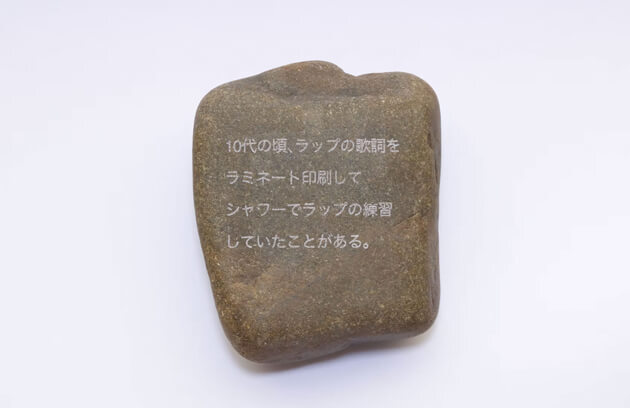
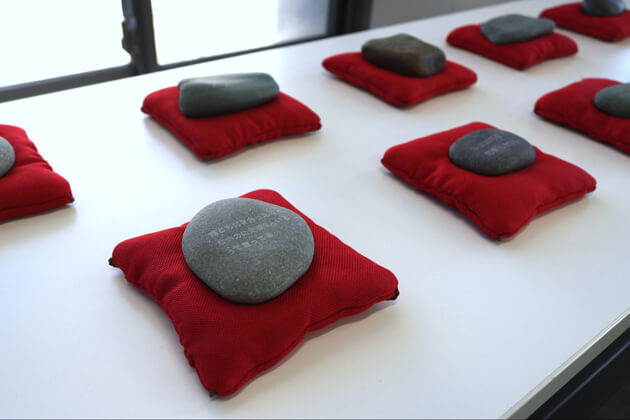
You are involved in a diverse range of fields. What are you conscious of when collaborating with different fields, and what do you think about the value that can be created?
It is difficult to fully understand different fields, but I really enjoy the feeling of my values changing in the process. What I am conscious of is, first of all, respect for different fields, how to relativize my values in the process of being exposed to them, and then, where to place my axis.
I specialize in the arts, but I believe that collaboration with different fields can result in the creation of papers rather than works of art in the extreme. Naturally, different fields have different cultures, and I am conscious of the flat attitude of not easily dismissing them from the perspective of art, or, if anything, not forcing them to become works of art.
The change in values that occurs from exposure to different fields also brings about fluctuations in judgment. While the way we see the world expands greatly, if we remain wavering, we will not be able to create anything. That is why we need to question our own standards of judgment each time and put them into practice. It is not easy, but I believe that new value will reside in what is created in the midst of this tension.
What kind of "experience" or "awareness" do you hope to bring to the viewer through your work? Also, what are some of the points you are designing to achieve this?
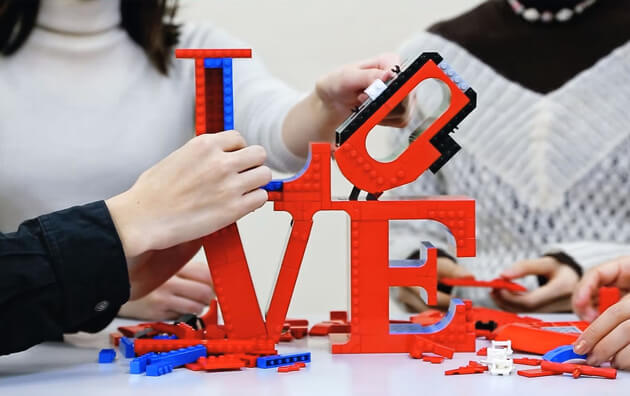
It is difficult to verbalize, as I do a lot of things by intuition (laugh), but I always think that "there is more than one world. It may be similar to the concept of "pull reverse," which has been attracting attention in recent years. It has been said in many fields, including philosophy, that there are as many worlds as there are places, and as many individual worlds as there are living things.
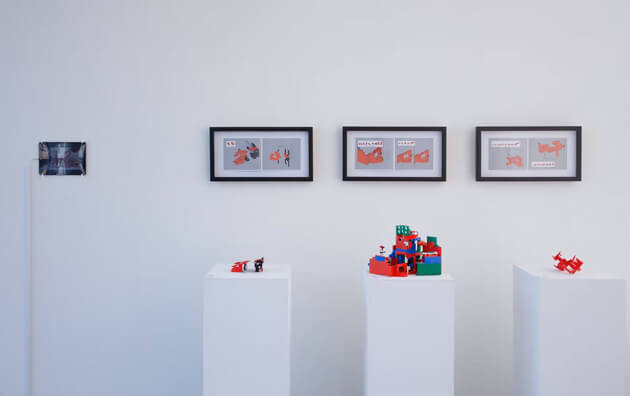
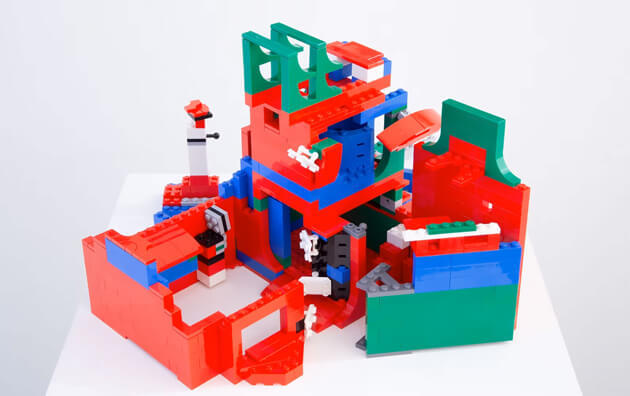
In recent years, I have been engaged in activities to find such "multiple worlds," and it may be closer to the state of "designing original media" rather than "creating works of art. I am designing the media itself to transform and express the individual world of each work as an expression. I hope that viewers will be able to think about "multiple worlds" through the medium of the artwork.
What are some of the challenges you would like to take on in the future?
I am often asked, "What do you do in the end? (laugh). I don't really think of myself as an "artist," but rather as a designer, depending on the occasion. Depending on the occasion, I may be a designer, an artist, or a director. In extreme cases, I may not even be in the realm of expression.
Because of this, I don't have a specific idea of what I want to challenge in the future, or perhaps I will start doing it again somehow, when I have an idea. I would like to continue to stay in that kind of middle ground.
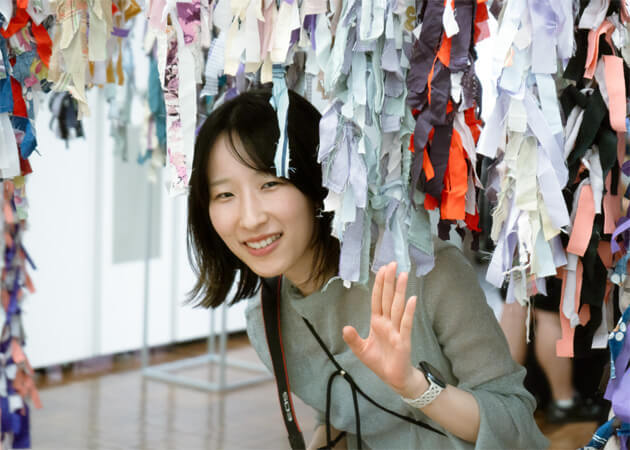
Milli Watanabe
Artist, director, curator, and more.
She cynically and humorously reexamines critical perspectives on media, technology, and the environment surrounding them using a variety of methods, including installations, projects, and the web.
Finalist of ComoNe Program #01, Tokai National University Organization. Awards received include the 2040 Musashino Art University Graduation and Completion Works Excellence Award, the 27th Student CG Contest, and the 2021 Asia Digital Art Grand Prize Exhibition FUKUOKA.
Links
Instagram:https://www.instagram.com/milliwata
Website:https://www.milliwata.com/
Editing: AWRD Editorial Department